

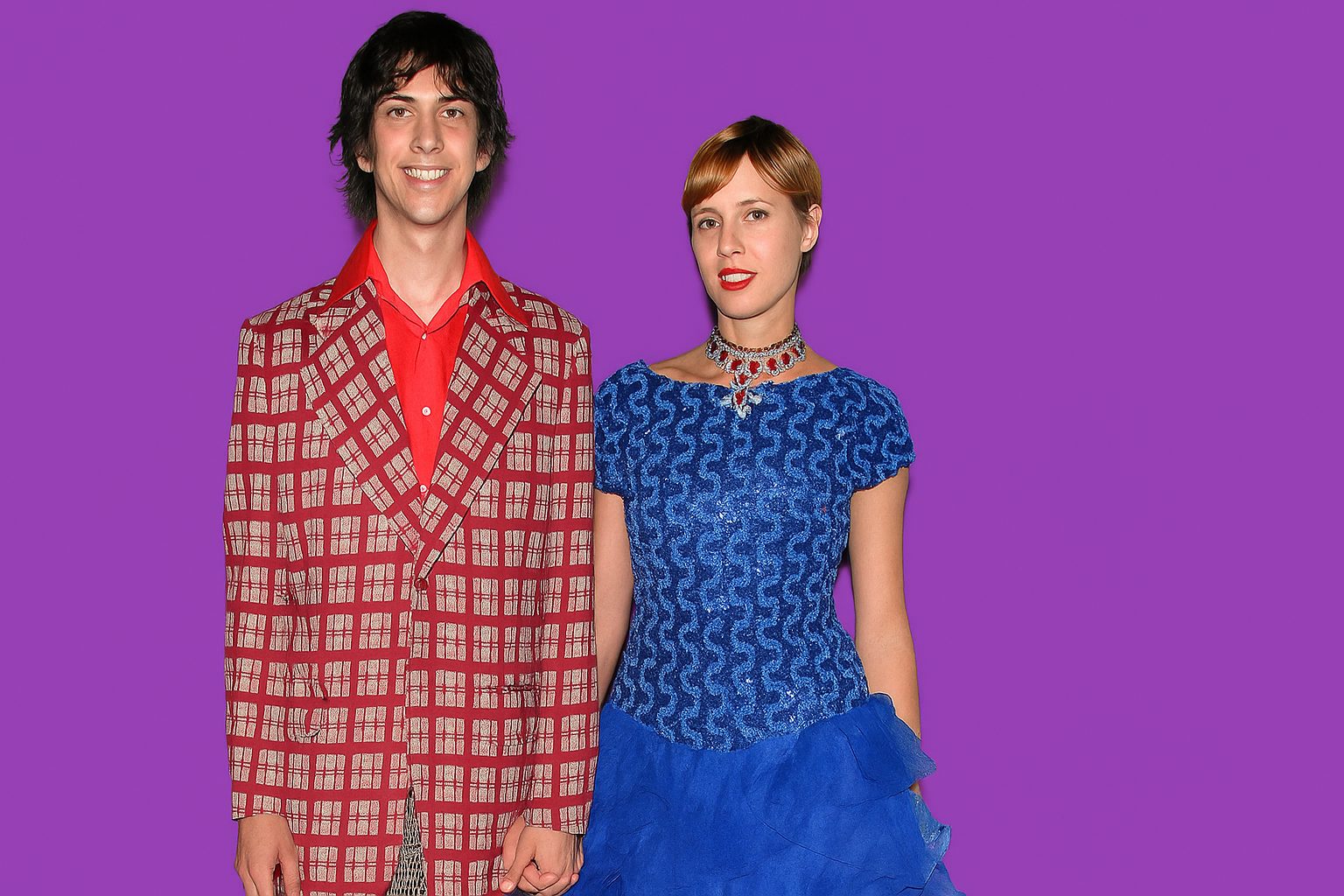
When the name Heidi Van Pelt appears online, it is often connected to two very different worlds: the early-2000s tabloid storm surrounding her marriage to Home Improvement actor Taran Noah Smith, and the niche but influential vegan food movement she helped shape long before plant-based eating entered the mainstream. Her story contains entrepreneurship, controversy, and a recurring pattern of reinvention. Yet behind every headline sits a woman who built restaurants, created an early cashew-cheese concept, and carved an unusual path through food culture in both California and the Midwest.
This article offers a complete, human-centered profile of Heidi Van Pelt based on known, verifiable information. It avoids speculation and presents her life as it is publicly documented: complex, messy, and filled with attempts to build something meaningful out of her passion for alternative food and nutrition.
Early Life and the Search for Direction
Heidi Van Pelt was born in 1968 in Missouri and grew up primarily in the Kansas City area. Most known details of her early life reference a childhood shaped by financial instability and frequent moves. Accounts describe her mother working long hours to support the family, while Van Pelt moved through school with a combination of artistic curiosity and intellectual restlessness.
Her early adulthood reflected that same pattern. She enrolled in multiple colleges over several years, studying subjects that ranged from fashion design to philosophy to Russian language. While she did not complete a degree, the diversity of her studies foreshadowed the exploratory, sometimes unpredictable, direction her later life would take. What remained consistent was her growing interest in alternative health, human behavior, and eventually veganism.
By the 1990s, she had relocated to the West Coast, where she pursued small film projects and media jobs before transitioning fully into the world of nutrition and plant-based food.
The Path Toward Veganism and Nutrition
Heidi Van Pelt’s shift toward veganism happened gradually but with conviction. After several years as a vegetarian, she became immersed in the raw-food culture emerging in the Pacific Northwest and California. This community connected her with activists, wellness practitioners, and chefs experimenting with plant-based diets long before the mainstream food industry embraced them.
Van Pelt completed certification through a U.S.-based nutrition program and began working as a nutrition counselor. She spent time teaching cooking and nutrition to underserved families and homeless individuals in Los Angeles, where she emphasized inexpensive, whole-food preparation. During the same period, she co-hosted a local radio program focused on raw food and natural health, which helped her build a modest following within Southern California’s vegan community.
Her early culinary experiments, particularly with non-dairy cashew products, would later form the foundation of her most well-known business venture.
Meeting Taran Noah Smith and the Start of Public Scrutiny
Heidi Van Pelt met actor Taran Noah Smith after he attended a raw-food gathering she hosted during the late 1990s. When they reconnected a few years later, Smith was transitioning out of acting and dealing with a highly public family conflict over control of his earnings from Home Improvement. Van Pelt was immersed in her culinary and wellness work, moving between Los Angeles and the Midwest.
Their connection developed quickly, and by 2001 the two married. Smith was still legally a minor at the time, which instantly thrust Van Pelt into national headlines. Their 16-year age gap became a point of fascination for entertainment outlets, and media narratives often painted her as a negative influence despite limited insight into the daily realities of their relationship.
What is certain is that the couple shared a deep interest in vegan food, alternative living, and communal creativity. These shared passions eventually shaped their business partnership and the public chapter that followed.
Playfood: An Ambitious Vegan Venture
The most professionally significant period of Van Pelt’s life took shape when she co-founded Playfood with Taran Noah Smith. The concept combined her nutritional background with her hand-developed recipes for cashew-based cheese sauces. The business operated in a space where vegan cuisine was still niche and experimental, which made Playfood both unique and ahead of its time.
Playfood grew from a small kitchen operation into a more formal business entity. The pair hosted underground dinner events, ran temporary restaurant nights, and produced small-batch vegan cheese products sold at markets and regional stores. Their signature product was a squeezable non-dairy cheese that appealed to vegans who wanted comfort food without soy or gluten—two categories that dominated early plant-based cheeses.
For a period, the business received genuine enthusiasm from plant-based eaters and alternative-food communities. It also reflected the couple’s attempt to blend lifestyle, entrepreneurship, and shared creativity.
However, as Playfood expanded, the pressures of co-running a growing business began to strain their marriage. The lines between professional disagreements and personal conflicts blurred. Financial setbacks, shifting roles, and lifestyle differences contributed to growing tension inside the relationship as well as the company.
By the mid-2000s, the partnership ultimately fractured. Van Pelt and Smith divorced in 2007, and Playfood dissolved amid disputes about its direction and ownership.
A New Chapter in Kansas City: The Füd Era
After her split from Smith, Heidi Van Pelt returned to Missouri, where she re-established herself within Kansas City’s growing interest in alternative food. At first she operated a small raw-vegan pop-up at local markets. The reception was strong enough to evolve into a full restaurant called Füd, located on the city’s Westside.
Füd distinguished itself through its playful dishes and an atmosphere that welcomed vegans, non-vegans, and the simply curious. The restaurant served creative interpretations of comfort food, including jackfruit chalupas, collard-wrapped salads, and a brighter, more refined version of Van Pelt’s signature cashew cheese. Diners often described the space as quirky, warm, and free from the moralizing tone that early vegan restaurants sometimes carried.
For several years, Füd was considered one of the city’s most notable plant-based establishments. It introduced new diners to vegan food and built a loyal customer base that appreciated Van Pelt’s mix of raw-food principles and comfort-food sensibilities.
Yet behind the scenes, tensions grew. Relationships with staff deteriorated. Communication broke down. Personal beliefs, business pressures, and interpersonal disagreements collided in a way that made day-to-day operations impossible. In 2017, Van Pelt abruptly closed Fúd, ending the restaurant’s seven-year run and leaving its local community divided over what had gone wrong.
The restaurant never reopened, and the closure marked the end of Van Pelt’s known public ventures.
Life After Fúd and Privacy in Recent Years
After 2017, Heidi Van Pelt stepped away from public life almost entirely. She has not returned to mainstream restaurant ownership, and she rarely appears in interviews, local news, or social platforms. Most contemporary references to her name come indirectly through retrospectives about Home Improvement, summaries of her marriage with Smith, or historical looks at early vegan food businesses.
Available profiles suggest she continues to live quietly and keeps her work private. She remains associated with plant-based cooking and alternative nutrition, but no verified information points to new public ventures, pop-ups, or commercial product lines.
Her absence from the public sphere aligns with patterns throughout her life. Whenever media attention intensified, she retreated. Whenever a project ended, she sought a different environment. The version of Heidi Van Pelt that lives online—public figure, controversial spouse, vegan pioneer—is not necessarily the person she presents privately today.
Heidi Van Pelt’s Role in Vegan Food Culture
Even with a complicated biography, Heidi Van Pelt holds a distinctive place in the evolution of plant-based eating in the United States. She entered the scene at a time when vegan cuisine relied heavily on soy products and lacked the creative approaches now common in large markets.
Her early cashew-cheese recipes anticipated trends that exploded a decade later. Her underground dinner events in Los Angeles resembled the pop-up culture that has since become a staple of modern culinary experimentation. Her Kansas City restaurant contributed to a Midwest vegan movement that has continued to grow and diversify.
The broader food world rarely names Van Pelt among the pioneers of vegan cuisine, partly because her work existed on the fringes and partly because her personal life overshadowed much of her culinary identity. But it remains true that she worked in plant-based innovation at a time when few chefs or entrepreneurs were doing so.
A Public Figure Seen Through Conflicting Lenses
Heidi Van Pelt’s legacy is shaped by contradictions. To some, she is remembered primarily as the older woman who married a teenage actor. To others, she is an early vegan innovator. To former employees and business partners, she is a complex figure whose creative strengths sometimes clashed with operational challenges.
The absence of sensationalism in her own voice adds another layer. She has rarely spoken publicly in her own defense, clarified rumors, or tried to reshape the narratives that grew around her. As a result, her identity is often reconstructed through the accounts of others—journalists, former colleagues, and entertainment media.
Understanding her story requires holding both sides at once: a woman with unconventional ideas, and a woman caught in the machinery of public scrutiny. A chef with genuine early contributions to plant-based cuisine, and a person whose business ventures did not always end smoothly. A private individual, and a public figure who did not choose the level of attention she received.
Also Read: Carlos Alman: Dominican Roots & Cardi B’s Father Profile
Conclusion: A Life Marked by Creativity, Controversy, and Reinvention
Heidi Van Pelt remains one of the more unusual figures to emerge from early-2000s pop culture—not because she sought attention, but because attention found her during a turbulent moment in her life. Her real legacy lies not in tabloid headlines but in the creative, often experimental food projects she built in Los Angeles and Kansas City. Playfood introduced early versions of nut-based cheeses, and Fúd helped shape a period of Midwest vegan dining that inspired many local chefs.
Her story is filled with ambition, conflict, growth, and retreat. It is also a reminder that public narratives rarely capture the full truth of a person’s life. Today, Heidi Van Pelt lives quietly, far from the spotlight, leaving behind a trail of culinary innovation and unresolved public debates.
Whatever one’s interpretation of her choices, her impact on early vegan culture and her unusual path through business and public controversy make her a uniquely compelling figure—complex, human, and far more than the headlines suggest.

