

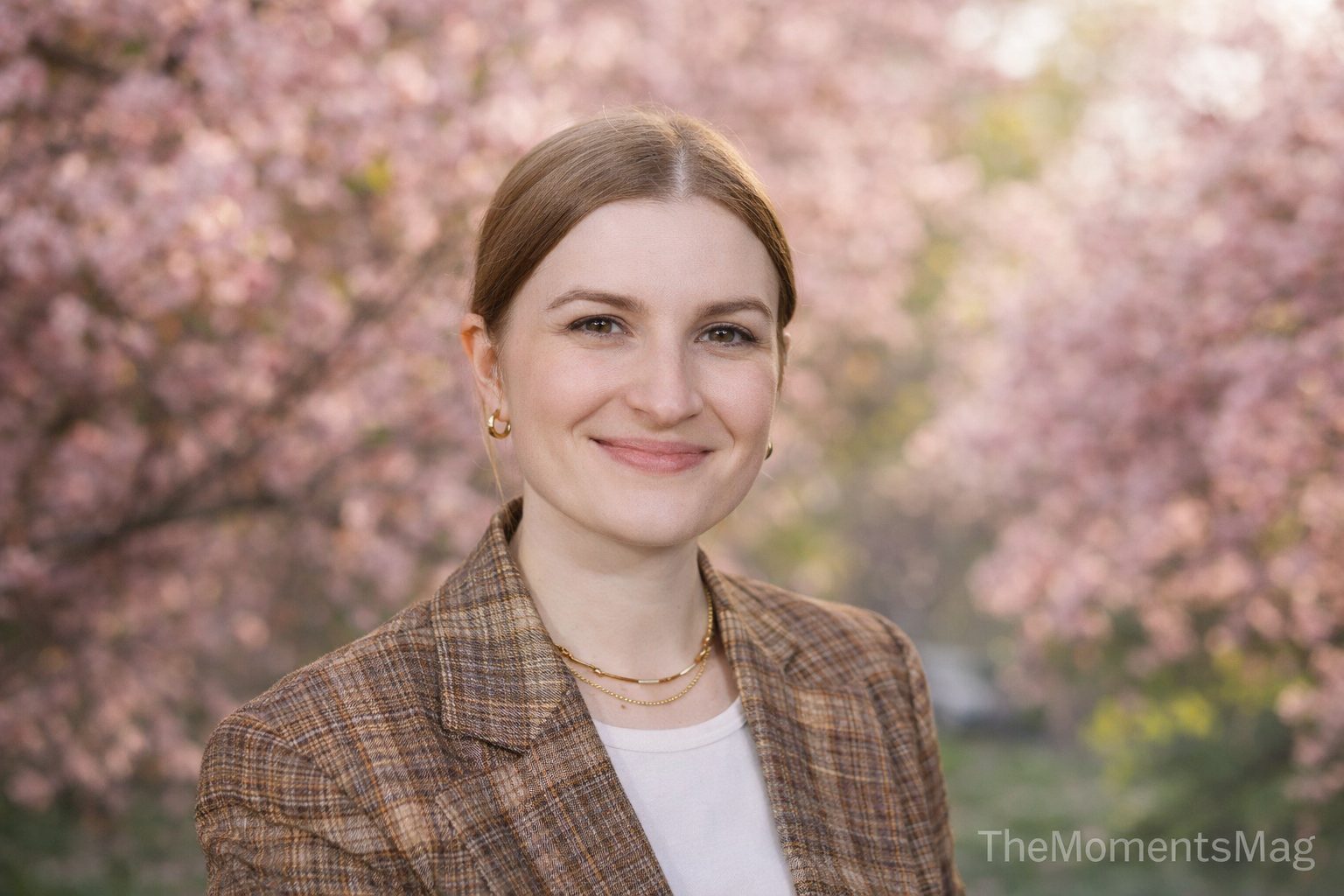
In an era where nearly everyone leaves a digital footprint, some individuals choose a different path. Ava Safdie is one of them. Her name often appears in search queries, usually linked to the Safdie surname that has become prominent in contemporary film culture. Yet beyond the curiosity and speculation, Ava Safdie represents something far more grounded and compelling: a professional creative working in the world of luxury fashion, intentionally maintaining privacy while contributing to a highly visible industry.
Unlike public figures who cultivate social media audiences, Ava Safdie’s story unfolds quietly. Her career centers on visual merchandising and brand experience—an influential but often understated discipline within luxury retail. To understand who she is, it’s important to move past rumor and focus on the verifiable elements of her life and work. Her biography is not defined by publicity, but by creative leadership and discretion.
Early Life and Background
Public information about Ava Safdie’s early life remains limited. She has not shared personal details about her childhood, family background, or formative years in interviews or public platforms. This absence is not unusual among professionals outside the entertainment spotlight, yet it has contributed to online speculation.
What can be inferred is that Ava Safdie developed a strong interest in fashion, design, and visual storytelling at an early stage. Visual merchandising requires a refined aesthetic sense and an understanding of how people interact with physical space. Those skills are rarely accidental. They are usually built through education, mentorship, and immersion in creative environments.
While exact details about her education are not widely documented, professionals in her field often pursue studies in fashion merchandising, design, art direction, or marketing. These disciplines combine creativity with strategy, a blend that defines her career path today.
Building a Career in Luxury Retail
Ava Safdie’s professional identity is most closely associated with luxury retail visual merchandising. In the fashion industry, this role goes far beyond arranging products in a store window. It involves crafting an atmosphere that communicates a brand’s identity within seconds. Every placement, color choice, texture, and lighting decision shapes how customers perceive value.
Visual merchandising sits at the intersection of art and commerce. It requires sensitivity to aesthetics while understanding consumer psychology. A successful merchandising leader must anticipate how shoppers move through space, what draws their attention, and how emotional responses translate into purchasing decisions.
Over time, Ava Safdie built a career that reflects these competencies. She became associated with Mansur Gavriel, a New York–based luxury accessories brand known for its minimalist design and distinctive color palettes. Reports from professional directories have listed her in a leadership capacity within visual merchandising for the brand.
Working within a label like Mansur Gavriel demands consistency and restraint. The brand’s identity centers on clean lines, thoughtful materials, and understated elegance. Therefore, the retail environment must echo that philosophy. Displays cannot overwhelm the product. Instead, they must frame it with subtle confidence.
Through her work, Ava Safdie has contributed to shaping how customers physically experience modern luxury. That influence is often invisible to the average shopper, but it plays a decisive role in brand perception.
The Art of Visual Storytelling
To appreciate Ava Safdie’s professional world, it helps to understand how visual merchandising evolved over the past decade. Luxury retail has transformed dramatically. As e-commerce expanded, physical stores faced pressure to justify their existence. Shoppers could buy products online with a few clicks. So why visit a store?
The answer became experience.
Retail spaces began shifting from transactional environments to immersive storytelling platforms. Instead of simply displaying products, stores started communicating mood, aspiration, and lifestyle. Lighting softened. Layouts opened up. Textures became deliberate. Every element served a narrative purpose.
In this context, visual merchandising leaders became strategic partners in business growth. They shaped how a brand feels in the real world. They influenced first impressions and repeat visits. They supported marketing campaigns through cohesive physical presentation.
Ava Safdie’s work exists within this broader transformation. Her role requires translating seasonal collections into spatial experiences. It also requires collaboration with creative directors, marketing teams, and store operations. The goal is alignment. The brand message must remain consistent from website to storefront.
While many shoppers may never know her name, they encounter her work the moment they step inside a curated boutique.
A Connection to the Safdie Name
Public interest in Ava Safdie also stems from her association with the Safdie surname, most notably filmmaker and actor Benny Safdie. Benny, along with his brother Josh Safdie, gained recognition for directing intense, character-driven films such as “Good Time” and “Uncut Gems.” Over time, Benny Safdie expanded his career into acting, appearing in major film and television projects.
Because of this visibility, curiosity naturally extended toward his personal life. Ava Safdie has been described in several online profiles as his partner. However, she maintains a notably private stance. She does not appear to actively engage with public interviews or media coverage.
This discretion reflects a broader choice. Many professionals connected to high-profile individuals decide to separate their personal and professional identities. Ava Safdie’s approach suggests a desire to let her work stand independently of celebrity narratives.
In an age where association often becomes currency, her privacy feels deliberate. It reinforces her identity as a creative professional rather than a public personality.
Professional Philosophy and Creative Influence
Although Ava Safdie has not publicly outlined her personal philosophy, the nature of her work offers clues. Visual merchandising thrives on clarity. It requires editing rather than excess. It rewards thoughtful detail over loud statements.
Luxury brands increasingly emphasize what industry analysts call “quiet luxury.” This concept prioritizes craftsmanship, subtle design, and timeless appeal. Rather than relying on overt logos or spectacle, quiet luxury builds trust through quality and cohesion.
A merchandising director operating in this environment must understand balance. Displays cannot feel chaotic. They must feel intentional and composed. Customers should sense confidence in the brand’s identity.
The influence of professionals like Ava Safdie becomes especially important when economic conditions fluctuate. Luxury shoppers are more selective during uncertain times. They evaluate whether a product’s price aligns with its perceived value. The store environment plays a powerful role in that judgment.
By shaping physical retail spaces, Ava Safdie contributes to how consumers emotionally connect with luxury goods. That connection is subtle but powerful.
The Role of Women in Creative Retail Leadership
Ava Safdie’s career also reflects a broader narrative about women in creative leadership roles. Fashion has long been associated with female consumers, yet executive leadership within retail historically skewed male. Over the past decade, that balance has gradually shifted.
Creative direction, merchandising leadership, and brand strategy increasingly include women shaping global aesthetics. Professionals like Ava Safdie embody this change. They operate at high levels of influence without necessarily seeking public recognition.
Their work demonstrates that leadership does not always require visibility. It requires vision.
Life Beyond the Spotlight
Despite public curiosity, Ava Safdie maintains minimal social media presence. This absence reinforces her preference for privacy. While many professionals use online platforms to cultivate personal brands, she appears comfortable remaining behind the scenes.
That choice speaks volumes in a culture driven by constant exposure. Privacy can be a powerful statement. It signals boundaries and intention.
For someone working in luxury retail, this approach aligns naturally. The brand is meant to shine. The experience is meant to captivate. The architect behind the atmosphere does not need to step forward.
Her life outside of work remains largely undocumented. That silence should not be interpreted as mystery, but as autonomy.
The Future of Her Career
As luxury retail continues evolving, professionals in visual merchandising face new challenges. Technology integration, sustainability, and hybrid shopping experiences demand innovation.
Stores are becoming multi-sensory environments. Digital elements blend with tactile displays. Customers expect seamless transitions between online browsing and in-store discovery.
Ava Safdie’s career sits at the heart of this shift. Leaders in her field must remain adaptable. They must anticipate trends while preserving brand heritage.
Given her position within a recognized fashion label, her professional trajectory likely includes continued influence in shaping retail environments. Whether through new store concepts, global expansions, or collaborative projects, her expertise remains relevant.
Also Read: Gary Phillip Spector: Life Beyond the Spotlight
Conclusion
Ava Safdie’s biography is defined less by public spectacle and more by creative precision. She stands as an example of a modern professional who contributes meaningfully to a visible industry while choosing personal discretion.
Her career in luxury visual merchandising places her at a critical junction of art and commerce. Through careful design and spatial storytelling, she helps shape how consumers experience brands in physical space. That work carries significant weight in an industry where perception often determines value.
Although curiosity about her personal life persists, the most compelling part of her story lies in her professional contributions. Ava Safdie represents a generation of creative leaders who influence culture quietly. They design the environments we walk through, the atmospheres that shape our impressions, and the experiences that define modern luxury.
In a world increasingly driven by visibility, her choice to remain private feels intentional and refreshing. Her impact may not dominate headlines, but it resonates in the subtle elegance of the spaces she helps create. That understated influence is, perhaps, the most authentic mark of her legacy.

