

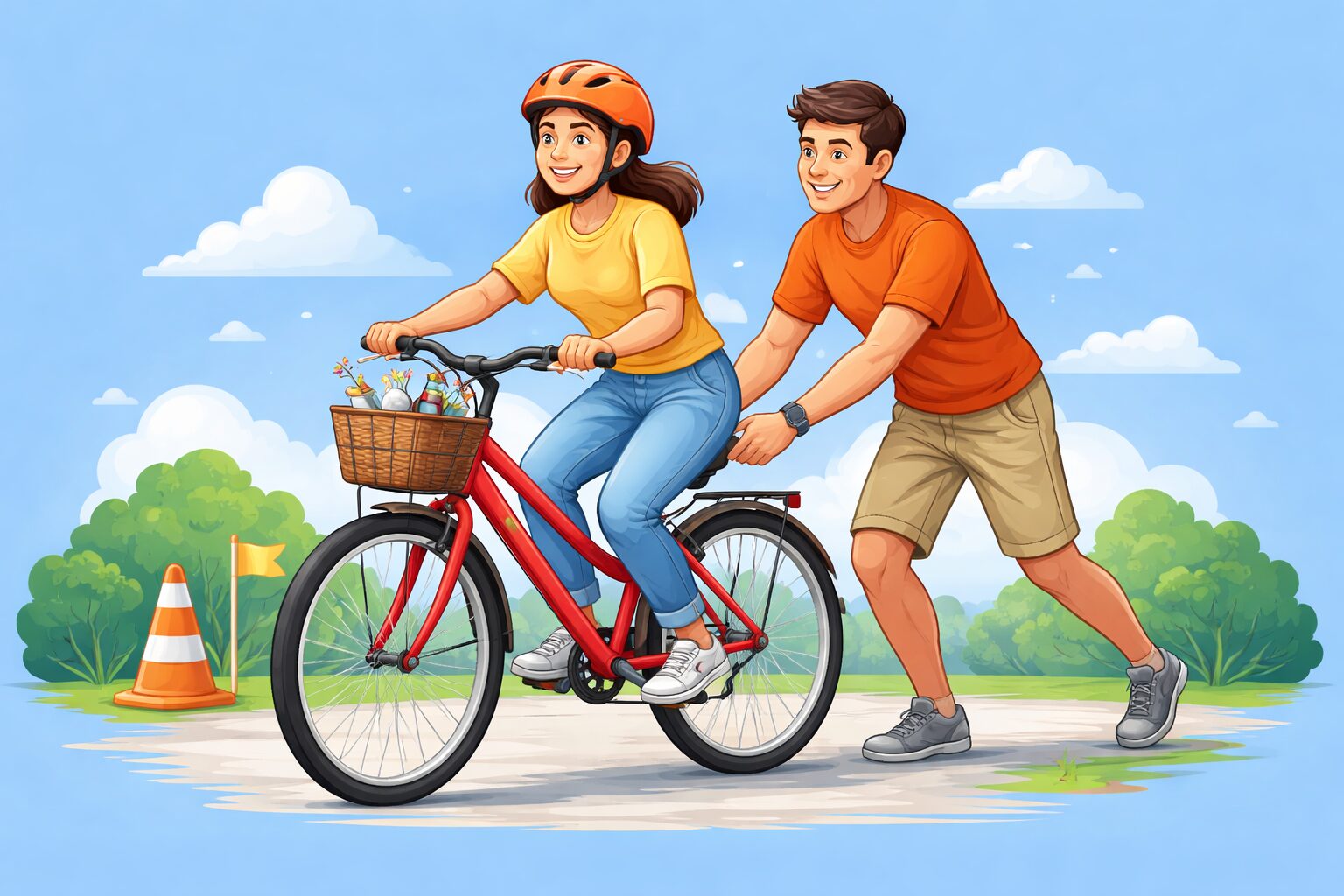
Learning to ride a bicycle is a wonderful milestone. Many people assume this skill is reserved only for childhood. However, adults can master cycling just as successfully. The process simply requires patience, proper technique, and a safe environment. This guide provides clear, practical steps to help you gain confidence on two wheels and enjoy the freedom of cycling.
Preparing for Your Cycling Journey
Before you even step over the frame, setting yourself up for success is vital. Proper equipment makes the learning process much safer and far more comfortable.
Finding the Right Bicycle
Start with a bike that fits your body correctly. When you sit on the saddle, both of your feet should rest flat on the ground. You might need to lower the seat completely to achieve this position. Being able to plant your feet firmly builds immediate confidence and prevents sudden falls. Choose a step-through frame if possible, making it much easier to get on and off the bike.
Equipping Essential Safety Gear
Safety gear is not optional for beginners. A well-fitting helmet is your most important piece of equipment. Ensure the helmet sits level on your head and covers your forehead. Because adults have a higher center of gravity, knee pads and elbow pads offer excellent additional protection. Wearing closed-toe shoes with flat soles will help you grip the pedals securely.
Taking the First Steps
Location and initial technique play huge roles in how quickly you pick up the mechanics of cycling.
Finding a Safe Location
Choose a wide, flat, and empty space for your first practice session. Empty parking lots, quiet tennis courts, or smooth paved trails are excellent options. While grass provides a softer landing, it requires significantly more effort to push through and can hide bumps that disrupt your balance. A smooth, hard surface away from traffic allows you to focus entirely on your body movements.
Mastering Balance Before Pedaling
The secret to learning how to ride is separating balance from pedaling. You can remove the pedals from your bike using a simple wrench. Sit on the saddle and use your feet to push yourself forward, acting like a scooter. Let yourself glide for as long as possible. This method trains your brain and body to understand how the bicycle leans and balances. Practice this gliding motion until you can lift your feet off the ground for several seconds at a time.
Pedaling and Steering
Once you feel completely comfortable gliding, it is time to put the pedals back on and add propulsion to your balance.
Getting Both Feet on the Pedals
Stand over the bike and bring your dominant foot up to the pedal. Position the pedal at the two o’clock angle. Press down firmly to create forward momentum. As the bike moves forward, lift your other foot onto the opposite pedal. Bicycles are inherently more stable when they are moving, so maintaining a steady, slow pace actually makes balancing easier.
Looking Ahead, Not Down
Beginners almost always stare at their front tire or their pedals. Looking down throws off your equilibrium and causes wobbling. Keep your chin up and look straight ahead. Focus your eyes on where you want the bike to go. Your body will naturally steer the bicycle toward your line of sight.
Learning to Brake Smoothly
Understanding how to stop is just as important as knowing how to move. Practice using your hand brakes gently while you are still doing gliding exercises. Squeeze both brake levers simultaneously with even pressure. Avoid grabbing the front brake too hard, which can pitch you forward. Squeezing gently brings you to a controlled, smooth stop.
Staying Safe on the Road
As your skills grow, you will eventually want to venture out of the parking lot. Transitioning to neighborhood streets or dedicated bike paths requires awareness. Always follow local traffic laws, use hand signals, and remain alert to your surroundings. Wearing bright clothing makes you highly visible to drivers. Even cautious riders face risks when sharing the road with cars. If a collision with a vehicle ever happens, consulting a Utah bicycle accident lawyer can help protect your rights and outline your next steps. Focus primarily on prevention by riding predictably and staying completely aware of the environment around you.
Your Next Steps on Two Wheels
Learning to ride a bike as an adult is an incredibly rewarding challenge. Every time you practice, your muscle memory improves, and your coordination gets sharper. Treat yourself with grace, celebrate your small victories, and do not rush the process. Soon, you will find yourself pedaling with joy and absolute confidence. Grab your helmet, find a quiet paved spot, and start gliding today.
Also Read: Valerie Siefman Biography: Family, Career, and Life Story

