

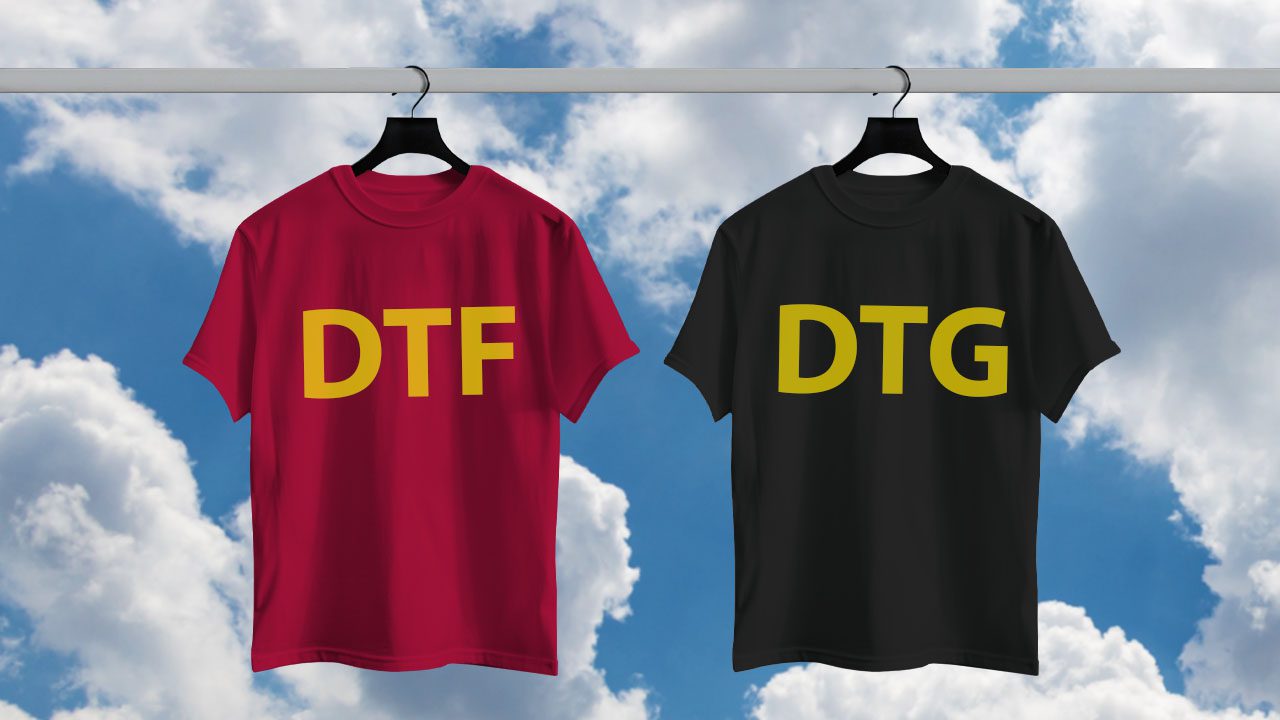
Custom apparel printing has grown increasingly popular since 2026, making this year a key one for businesses to select the optimal printing methods for their needs. Entrepreneurs today can turn toward modern solutionslike DTF printer provide as well as traditional processes like DTG, heat transfer and screen printing for business needs – it may be challenging to determine which printing technique will truly meet your needs; selecting an ineffective printing process could result in higher costs, lower-quality outputs, and wasted time for you and your staff. In this article, we compare DTF and DTG printing processes so you can choose the right one for your organization in 2026!
Overview of Printing Methods
1. DTF Printing (Direct to Film)
DTF printing has experienced unprecedented popularity thanks to its convenience and flexibility. This technique involves printing designs onto special film using a DTF printer, then applying heat and adhesive powder to the fabric with heat presses for transfer. DTF LINKO machines are especially beloved among small- and medium-sized businesses thanks to their reliable performance that produces top-quality results.
Advantages:
- Works on almost any fabric
- Vibrant colors and durable prints
- Cost-effective for small and large runs
2. DTG Printing (Direct to Garment)
DTG printing uses the inkjet process to create high-quality, vivid prints directly on 100% cotton fabric, producing images with top-quality resolution. While DTG can produce high-quality prints quickly for smaller requests or unique styles, its speed and cost increase for large print runs.
3. Heat Transfer Printing
Heat transfer involves printing designs onto special transfer paper or vinyl and pressing them directly onto a garment using heat. It requires minimal equipment and works great for beginners; however, it may not last as long as DTF or screen printing and may fade after multiple washes..
4. Screen Printing
Screen printing has long been one of the more cost-effective printing techniques and remains widely utilized today, especially among bulk orders. With stencils and ink, screen printing applies patterns to fabrics. Although it is ideal for large amounts, the technique might not be as effective for smaller or more intricate patterns.
Key Factors to Consider for Your Business
When you are deciding on which printing technique is the best, take into consideration these aspects:
- Cost and investment: Initial setup costs can vary. DTF printers are less expensive than industry-standard DTG machines. Screen printing is more expensive and requires more components, but it is more affordable for larger orders.
- Speed and Production Volume: DTF printing is quick and efficient for small and medium-sized runs. DTG can be slower, whereas screen printing is more efficient in larger runs.
- Design Complexity and Customization: For more intricate designs, DTF and DTG offer vivid results. Screen printing is ideal for basic logos and large orders.
- Durability and Qualitative: DTF prints are durable, soft, and fade-resistant. Heat transfer can peel over time, and DTG is the best choice for cotton clothing.
DTF printing usually scores well in this test, making it a popular choice for businesses today.
Pros & Cons Comparison
| Method | Pros | Cons | Best For |
| DTF Printing | Works on all fabrics, durable, vibrant | Initial cost higher than heat transfer | Small & medium businesses, custom designs |
| DTG Printing | Highly detailed, vibrant colors | Expensive, slow for large runs | One-off orders, cotton garments |
| Heat Transfer | Affordable, easy to learn | Less durable, may fade | Beginners, small-scale prints |
| Screen Printing | Cheap for bulk, long-lasting prints | Limited detail, setup time | Large volume orders |
Why DTF Printing is Gaining Popularity
DTF printers, such as the DTF LINKO, are revolutionizing custom apparel businesses by offering an ideal combination of affordability, quality, and flexibility that other methods cannot match. Small businesses can produce high-quality prints without investing in costly DTG machines, while larger firms can achieve fast production speeds without sacrificing print detail.
DTF prints retain vibrant hues even after multiple washes, unlike heat transfer or screen printing methods; they also easily handle complex designs without creating many obstacles or issues during production. This makes DTF an ideal choice for business owners looking for speed, high quality, efficiency, and versatility in one package.
Conclusion: Which Printing Method Should You Choose?
The best printing technique is based on the needs of your company:
- If you’re looking for versatility, bright colors, as well as durability, DTF printing with a
- DTF LINKO is the best option in 2026.
- If you are looking for small orders that only require cotton, DTG can work well.
- For both basic designs and mass production, screen printing is cost-effective.
- Start-ups that aren’t financially savvy or have a low budget could consider heating transfer as a starting point.
To summarize, for most companies looking to grow quickly while producing high-quality print, DTF printing offers the optimal balance of cost, quality, and versatility. Investing in a printer right now, such as the DTF LinkO, will help your company be set for success beyond 2026.


