

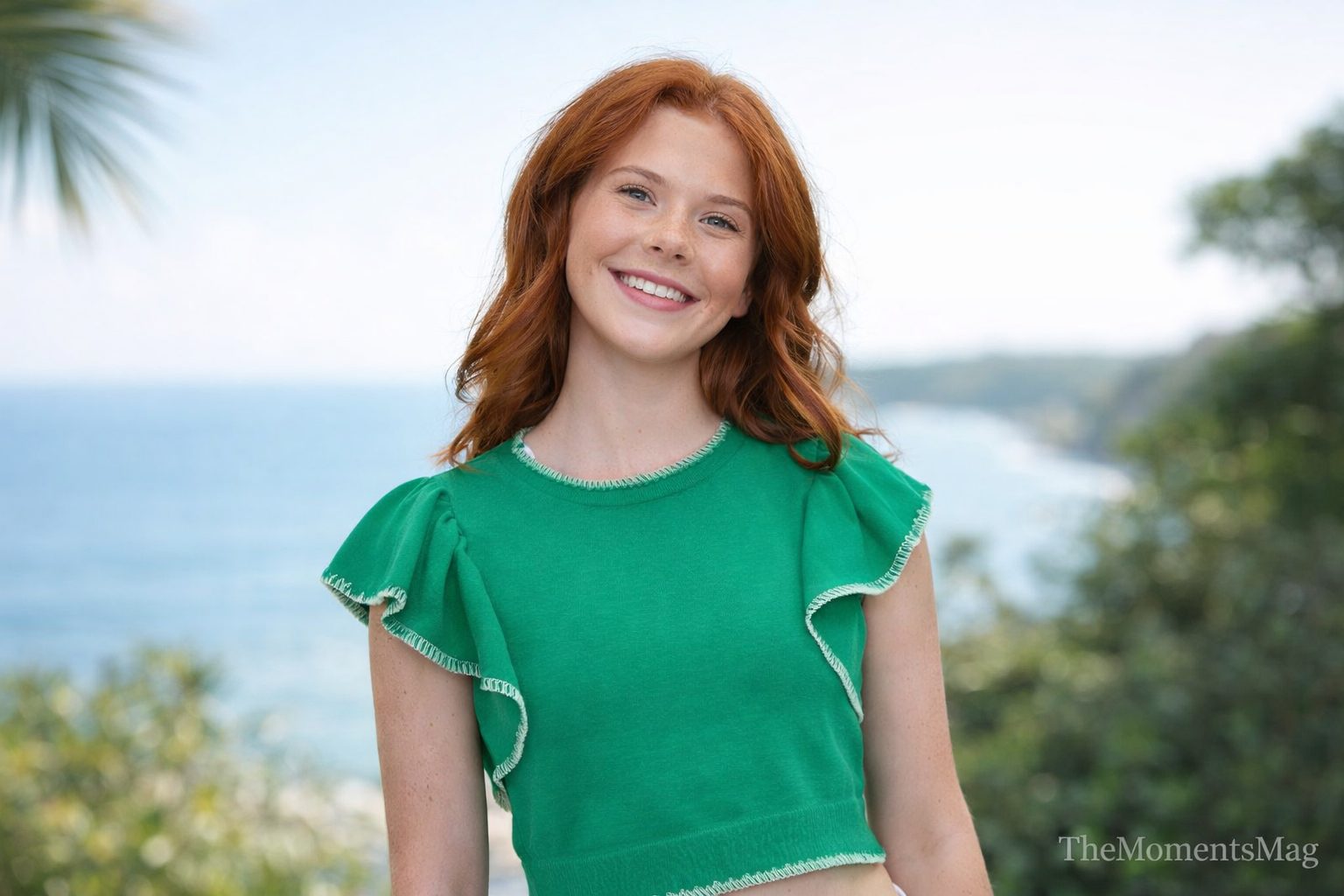
In the age of social media, fame can arrive earlier than ever before. Teenagers with smartphones and a creative spark are building audiences that once took decades to assemble. Among the new generation of digital personalities, Harper Zilmer has become a name that sparks curiosity. One of the most searched questions about her is simple: how old is she?
Harper Zilmer’s age is often the starting point for people discovering her story. Born on March 20, 2009, she represents a wave of young creators who grew up alongside the platforms that made them famous. Yet her journey is not just about numbers. It is about timing, opportunity, ambition, and the unique pressures of growing up in public.
To understand Harper Zilmer fully, it helps to look beyond her birth year and explore how her early life, online presence, and creative evolution have shaped her identity.
Early Life and Background
Growing Up in the Digital Era
Harper Zilmer was born in 2009 in the United States, at a time when social media was beginning to reshape entertainment. Instagram was still new. TikTok did not yet exist. YouTube was gaining traction, but influencer culture had not fully formed.
By the time Harper reached her early teens, the digital landscape had transformed. Short-form video platforms dominated youth culture. Trends moved at lightning speed. Teen creators could go viral overnight. Growing up in this environment meant that self-expression and technology were intertwined from an early age.
While much of her private childhood remains respectfully out of the spotlight, it is clear that Harper developed comfort in front of the camera early on. That ease would later become one of her defining traits.
Family and Support System
Young influencers rarely navigate fame alone. Behind most teenage creators is a network of parents, guardians, or mentors helping manage schedules, contracts, and public exposure. Though Harper keeps many family details private, it is widely understood that support systems play a key role in helping young personalities balance school, creativity, and sudden attention.
For a teenager born in 2009, maintaining normalcy while building a public career requires structure. The presence of guidance often determines whether early fame becomes overwhelming or empowering.
Harper Zilmer’s Age and Why It Matters
How Old Is Harper Zilmer?
Harper Zilmer was born on March 20, 2009. Depending on the current year, this places her in her mid-teens. For many fans, that fact alone is striking. Her confidence, presentation, and online polish sometimes give the impression of someone older.
This curiosity about her age reflects a broader pattern in digital culture. Audiences frequently search for birthdates to contextualize success. When someone achieves visibility at a young age, people want to understand the timeline.
The Impact of Being a Teen Creator
Being born in 2009 means Harper belongs to Generation Alpha’s leading edge or late Gen Z, depending on classification. She is part of the first group to experience adolescence almost entirely online.
Teen creators face unique dynamics. Their audience often includes peers, older fans, and industry observers simultaneously. They navigate trends while still forming their own identities. Their content evolves as they grow, and viewers witness that transformation in real time.
For Harper, her age has likely influenced both her content style and audience connection. Many of her followers are drawn to her relatability. They see someone navigating the same cultural moment they are.
Rise to Social Media Fame
Finding Her Voice
Harper Zilmer gained traction through short-form video platforms, where personality often matters more than production value. In an ecosystem driven by authenticity, charisma stands out. Her early content resonated because it felt energetic and aligned with youth culture.
Whether participating in trending challenges, lip-sync videos, or personal storytelling, Harper quickly learned how to engage viewers. Social media rewards consistency, and she delivered it.
Her growing follower count signaled something deeper than luck. Algorithms amplify engagement, but they cannot manufacture connection. The audience response suggested that Harper had found a tone that felt genuine.
Building a Recognizable Brand
As her presence expanded, Harper began shaping a more defined public image. Teen influencers often start casually but gradually develop a brand identity. This may include fashion choices, catchphrases, music preferences, or visual aesthetics.
For Harper, the shift from casual posting to a more curated presence reflected maturity. Even at a young age, she demonstrated awareness of how to maintain engagement while adapting to evolving trends.
Her age adds a compelling layer to this development. Growing up publicly means your brand evolves alongside your personality. What resonates at fourteen may change by sixteen. Harper’s ability to adjust without losing authenticity has helped sustain interest.
Transition Into Music and Broader Exposure
Expanding Creative Horizons
Many digital creators eventually branch into other industries. Music is a common next step. The pathway from TikTok popularity to recording artist has become increasingly familiar over the past few years.
Harper Zilmer followed this trajectory by releasing music that expanded her identity beyond influencer status. Moving into music requires more than an online following. It involves production teams, songwriting, marketing, and distribution.
For someone born in 2009, stepping into this world while still in her mid-teens is notable. It suggests ambition and a willingness to explore beyond viral moments.
Balancing Performance and Adolescence
The transition from content creator to performer brings new challenges. Public scrutiny increases. Expectations grow. Interviews, collaborations, and promotional appearances demand confidence.
At an age when most teenagers are focused primarily on school and friendships, Harper has navigated professional responsibilities. This balancing act often defines young artists’ experiences.
Age becomes relevant not as trivia, but as context. Understanding that she is still in her teenage years adds perspective to both her achievements and her learning curve.
Public Curiosity and Online Culture
Why Fans Search for Her Age
In celebrity culture, age has always sparked interest. However, the speed of digital fame intensifies that curiosity. When someone appears fully formed online, audiences want to understand their timeline.
Harper Zilmer’s age helps fans piece together her story. It explains how she relates so strongly to teen audiences. It contextualizes her references, humor, and creative choices.
Moreover, younger audiences often feel inspired when they see peers succeed. Knowing that Harper is close to their own age makes her journey feel attainable.
The Pressure of Growing Up in Public
While curiosity is natural, it also highlights a broader issue. Growing up online means milestones unfold under observation. Every style change, opinion shift, or career decision becomes public discourse.
For a teenager, this level of visibility can be intense. Social media provides opportunity, but it also magnifies criticism. Age becomes a protective lens. Many fans and media outlets emphasize her youth when discussing her career to remind audiences that she is still developing.
Navigating that environment requires resilience. Harper’s continued presence suggests she has built coping mechanisms and support structures to handle public life.
Personal Development and Future Potential
Evolving Identity
Teenage years are defined by change. Interests shift. Perspectives expand. Creative direction transforms. For Harper Zilmer, this evolution happens in front of a digital audience.
Her early content may differ significantly from what she produces in the coming years. As she matures, her themes, style, and voice are likely to grow with her.
That transformation can strengthen long-term relevance. Audiences often appreciate authenticity over perfection. Watching someone evolve naturally fosters deeper connection.
Career Trajectory
Given her early start, Harper’s future possibilities are broad. She may continue developing as a musician. She could expand into acting, entrepreneurship, or fashion collaborations. Many teen creators leverage early visibility into multifaceted careers.
Her age provides time. Starting young allows room for experimentation. Not every project must define her permanently. The flexibility of youth can be an advantage in an industry known for rapid shifts.
The next five years may prove especially significant. As she transitions from adolescence into adulthood, her brand may solidify into something more enduring.
The Cultural Context of Young Influencers
A Generation Shaped by Platforms
Harper Zilmer is not an isolated phenomenon. She represents a generation raised alongside TikTok, Instagram, and YouTube. These platforms are not external tools for her peers. They are embedded in daily life.
Research consistently shows that teenagers spend substantial time online. This digital immersion creates a new type of celebrity—one who feels accessible and relatable.
Harper’s age situates her at the center of that shift. She is both a product of and contributor to this evolving landscape.
Redefining Celebrity
Traditional celebrity once required gatekeepers: casting directors, record labels, television networks. Now, visibility can originate from a smartphone.
For someone born in 2009, this democratization of fame is normal. Harper’s journey illustrates how talent, timing, and platform literacy intersect.
Her story reflects a broader cultural transformation. Young creators are not waiting for permission. They are building audiences independently and then expanding outward.
Also Read: Carla Diab Biography: Fashion, Career & Life
Conclusion
Harper Zilmer’s age is more than a frequently searched detail. Born on March 20, 2009, she belongs to a generation that has redefined how fame begins. Her teenage years have unfolded alongside rapid digital innovation, and she has leveraged that environment to build a growing presence.
Understanding her age provides context. It reminds us that behind the polished posts and professional releases is a young person navigating growth, ambition, and public attention simultaneously.
Her biography is still being written. What stands out most is not simply how old she is, but how early she stepped into a rapidly evolving industry. As she continues to mature creatively and personally, her journey will likely reflect both the challenges and possibilities of growing up in the spotlight.
In the end, Harper Zilmer’s story captures a defining truth of this era: age no longer limits visibility. Instead, it shapes how young creators experience and transform the digital world around them.

