

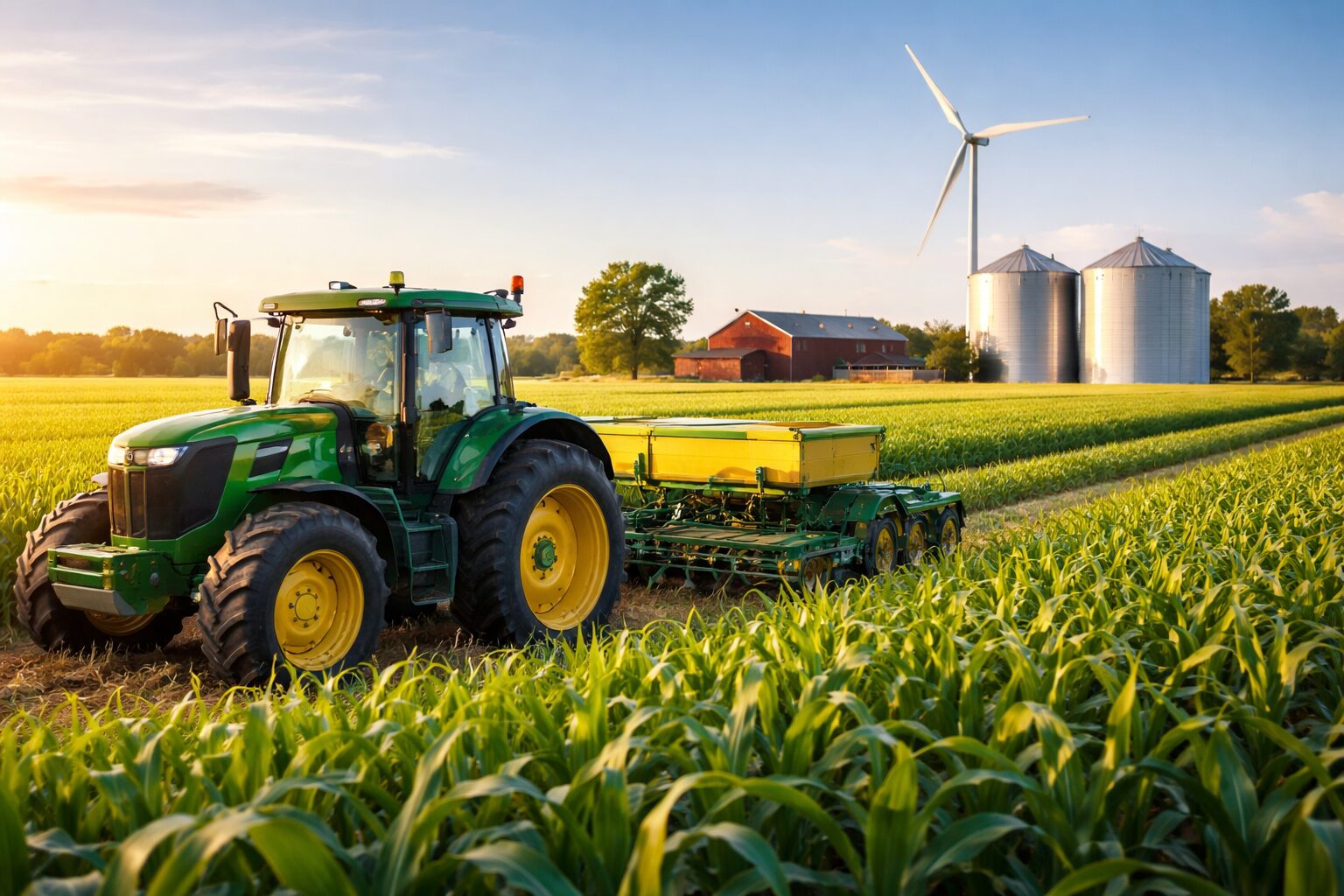
Sustainable farming has moved from being a distant ideal to something many American farmers now see as essential for long-term survival. Factors like rising energy costs, new environmental standards, and shifting consumer expectations are pushing small farm owners to rethink how they operate. The latest machinery is exactly at the center of this change. Many farm owners are exploring financing for farm equipment to help them upgrade to equipment that saves both fuel and water, and supports better farming practices. These upgrades cost money upfront, but they also create meaningful gains in efficiency. The momentum around eco-friendly tools has created a steady rise in green financing demand across the sector.
Why Sustainable Farming Needs Better Tools
Sustainable farming depends on equipment that does more than basic fieldwork. Electric tractors, precision sprayers, and solar-powered irrigation systems support healthier soil and stronger yields. These technologies reduce waste in fuel and fertilizer, but they are not cheap. Many farms cannot move ahead without financing for farm equipment to break down the cost into manageable payments. Some take a practical path and look into used equipment loans, especially when newer technology pushes older machines into the resale market. It is a way to make progress without overextending cash flow. As sustainable practices grow, the list of tools farmers need keeps expanding, making financing an important bridge.
How Green Financing Works
Green financing is built around the idea that environmentally efficient tools deserve financial support. Banks, manufacturers, and government programs are offering options that help farmers adopt these tools without draining working capital. Many rely on financing for farm equipment that aligns with their environmental goals and long-term business plan. Some combine a business equipment loan with state or federal incentives to ease the total cost. Others lean on credit unions or USDA programs that promote conservation. These financing paths open the door for farmers who want cleaner operations but need a structured way to pay for it. And with energy-saving equipment usually delivering lower operating expenses, the financial case grows stronger each year.
What Farmers Are Buying Through Green Programs
Sustainable farming covers a wide range of practices, and the equipment list is just as varied. With the right financing for farm equipment, farmers can commit to investments that strengthen both environmental and economic goals.
- Solar irrigation systems that reduce electricity use.
- Electric or hybrid tractors that help lower long-term fuel costs.
- No-till machinery that preserves soil.
- Precision sensors that avoid excess fertilizer or water usage.
- Energy-efficient grain dryers that cut power bills.
Many farmers also use used equipment loans to access eco-friendly technology at a lower cost, especially when gently used models enter the market.
Impact on Profitability and Cash Flow
The financial upside of sustainable tools is becoming more visible. Lower energy use, fewer breakdowns, and more efficient planting cycles all add up. When farmers use financing for farm equipment, they spread out the cost instead of pulling large sums from working capital. Predictable payments help them manage budgets in seasons where markets swing or weather shifts unexpectedly. A business equipment loan lets them secure tools that improve output and reduce waste, giving farms stronger control over margins. Sometimes something as simple as cutting one round of fertilizer use or reducing fuel consumption across multiple acres makes a noticeable difference. And in farming, a few saved dollars often keep operations steady during tougher months.
Challenges Farmers Face in Getting Green Financing
Accessing green financing is not always smooth. The price of modern sustainable machinery can be high, and that alone slows decisions. Paperwork, credit checks, and long approval steps add to the wait. Some lenders also hesitate because the resale value on newer eco-friendly models is not always clear. So farmers often piece things together by mixing financing for farm equipment with used equipment loans or seasonal discounts from manufacturers. Even when funding options exist, securing the right one takes patience and a bit of planning.
Conclusion
Sustainable farming continues to reshape how American farms operate. More owners are turning to financing for farm equipment to bring in tools that match their environmental goals, lower their long-term costs, and give them better control over operations. This demand for green upgrades is not fading. It grows as farms look for practical ways to stay competitive, conserve resources, and prepare for the future. Green financing will not fix every hurdle, but it is giving many farmers a practical way to move toward cleaner operations and stronger profits.
Also Read: Tommy Bynes Biography: Career, Family & Life

