

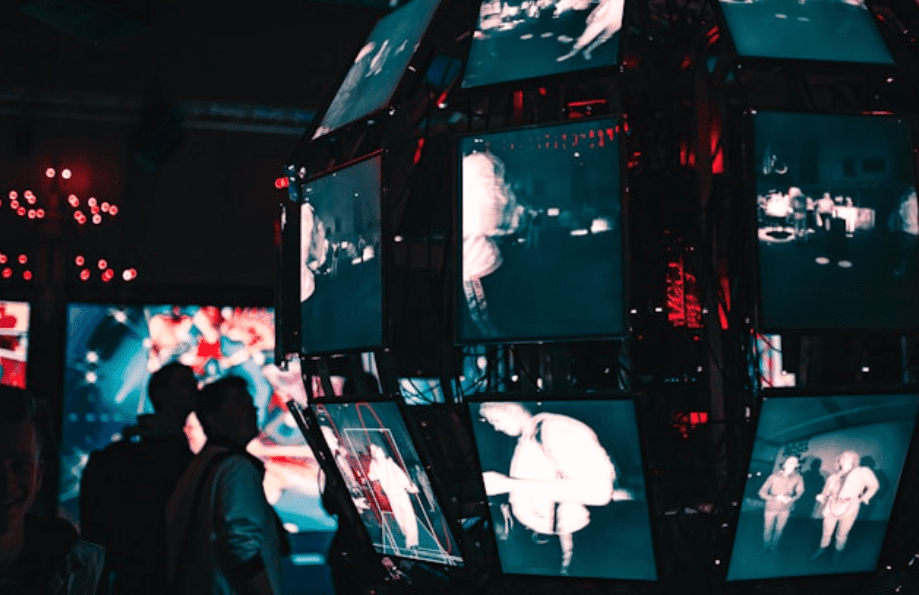
Screens dominate modern life. Work, communication, entertainment, and even relaxation often happen through glowing rectangles that demand constant attention. Over time, this environment can drain mental energy, reduce focus, and make even simple tasks feel exhausting.
Mental fatigue is not just about being tired. It reflects cognitive overload, sustained attention demands, and limited recovery between tasks. Reducing it requires intentional changes in how screens are used, not complete avoidance.
Understand How Constant Stimulation Affects Focus
Digital environments are designed to capture attention. Notifications, tabs, and endless scrolling compete for cognitive resources throughout the day.
In creative and content-heavy work, this overload is amplified. Tools meant to help can unintentionally increase mental strain when they encourage multitasking or continuous engagement.
For people creating video or visual content, accessories like smartphone gimbals can reduce physical instability during filming. While they improve output quality, they also highlight how even small technical decisions add to mental load if workflows are not simplified.
Reduce Task Switching During Screen Time
Task switching is one of the biggest contributors to mental fatigue. Each switch forces the brain to reorient, consuming energy that adds up quickly.
Grouping similar tasks together reduces this drain. Email, research, and creative work are best handled in separate blocks rather than mixed together.
Clear boundaries also help you manage your time effectively without constantly resetting your attention. Fewer switches mean deeper focus and less exhaustion by the end of the day.
Adjust Screen Habits Rather Than Screen Volume
Cutting screen time entirely is often unrealistic. A more practical approach is changing how screens are used.
Full-screen modes, reduced notifications, and simplified interfaces all reduce visual and cognitive clutter. These small adjustments lower background stress even when total screen hours remain the same.
Intentional use matters more than duration. Focused sessions with defined endpoints are less fatiguing than long, unfocused exposure.
Protect Your Eyes to Support Your Brain
Visual strain contributes directly to mental exhaustion. Dry eyes, glare, and constant near-focus place stress on both the eyes and the brain.
Regular breaks and proper lighting help maintain comfort. Adjusting screen brightness to match ambient light also reduces strain.
Simple habits like protecting your eye health throughout the day support sustained cognitive performance without requiring major lifestyle changes.
Build Recovery Into the Workday
Mental recovery does not only happen after work. Short breaks during the day are critical for preventing cumulative fatigue.
Stepping away from screens, even briefly, allows attention systems to reset. Physical movement and exposure to natural light enhance this effect.
Breaks are most effective when they are deliberate. Scrolling on another screen rarely provides real recovery.
Simplify Digital Inputs
Information overload is a major driver of mental exhaustion. Subscriptions, alerts, and feeds quietly compete for attention even when ignored.
Regularly reviewing and trimming digital inputs reduces background noise. Fewer sources mean fewer decisions and less mental clutter.
This simplification makes it easier to identify what truly requires focus. Cognitive energy is preserved for meaningful tasks rather than constant filtering.
Create Clear Endpoints for Screen-Based Work
One of the most draining aspects of screen work is its lack of natural stopping points. Tasks can always be refined, refreshed, or extended.
Defining clear endpoints helps contain mental effort. Knowing when something is “done enough” reduces rumination and cognitive spillover into personal time.
This boundary supports recovery. Mental fatigue decreases when the brain is allowed to fully disengage.
Reclaim Mental Space in a Digital World
Reducing mental fatigue is not about rejecting screens. It is about restoring balance in how attention is spent and protected.
Small, consistent changes in digital habits create meaningful relief over time. Focus becomes easier when mental energy is not constantly fragmented.
In a screen-heavy world, clarity is a skill. Protecting it allows both productivity and well-being to coexist without constant exhaustion.


