

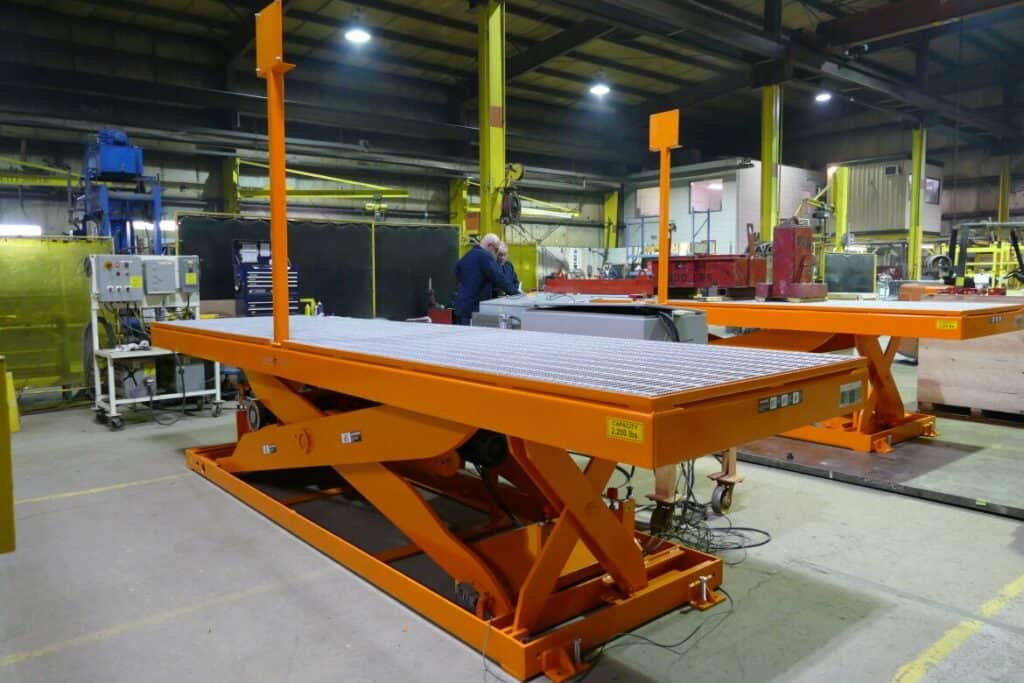
Industrial environments demand precision, strength, and reliability in every operational process. From manufacturing plants and warehouses to construction sites and logistics hubs, the movement of heavy materials and equipment must be executed safely and efficiently. In this context, hydraulic lifts have become indispensable tools that enable vertical mobility while maintaining load stability and structural integrity. Continuous technological advancements have elevated hydraulic lifts from basic lifting mechanisms to highly engineered systems capable of supporting high-performance industrial operations.
Hydraulic lifts operate on the principle of fluid pressure transmission, where hydraulic fluid is pumped into a cylinder to generate lifting force. This mechanism provides superior load capacity, smooth motion, and controlled descent compared to mechanical alternatives. The integration of automation, advanced materials, and digital monitoring systems has further expanded the capabilities of hydraulic lifts in demanding industrial environments.
Evolution of Hydraulic Lift Technology
Traditional lifting systems relied heavily on mechanical chains, pulleys, or screw-driven mechanisms, which were prone to wear and inconsistent motion. Hydraulic lifts introduced a more stable and efficient solution by utilizing pressurized fluid to achieve precise vertical movement. The ability to distribute load evenly across hydraulic cylinders significantly reduced stress concentrations and enhanced durability.
Modern hydraulic lifts incorporate high-strength steel frameworks, corrosion-resistant coatings, and energy-efficient pump systems. Variable frequency drives allow smooth acceleration and deceleration, minimizing vibration and extending equipment lifespan. These improvements contribute directly to operational efficiency and workplace safety.
In high-performance industrial settings, precision matters. Advanced control panels enable operators to program lift heights and cycle sequences, ensuring consistent and repeatable performance. Integration with warehouse management systems further optimizes material flow and reduces human error.
Enhancing Productivity in Industrial Operations
Productivity is closely tied to how efficiently materials are handled. Hydraulic lifts streamline processes such as pallet transfer, machinery installation, vehicle maintenance, and assembly line support. By reducing manual handling and eliminating temporary ramp setups, hydraulic lifts accelerate workflow transitions.
Heavy-duty scissor lifts, platform lifts, and dock lifts are commonly deployed in distribution centers where rapid loading and unloading are essential. Their capacity to handle several tons of weight without compromising stability ensures uninterrupted operations even during peak demand periods.
Energy-efficient hydraulic power units have also emerged as a critical innovation. Optimized pump systems and reduced standby power consumption lower operational costs while maintaining lifting performance. This combination of strength and efficiency positions hydraulic lifts as a cornerstone of high-performance industrial infrastructure.
Safety Innovations in Hydraulic Lifts
Safety remains a primary concern in industrial environments. Modern hydraulic lifts are equipped with advanced safety mechanisms including overload protection systems, emergency stop functions, anti-slip platforms, and automatic locking devices. These features reduce the risk of accidents and protect both personnel and equipment.
Hydraulic pressure relief valves prevent system overloading by regulating fluid flow. In the event of power failure, controlled descent mechanisms ensure safe lowering of the platform. Additionally, guardrails and sensor-based obstruction detection systems enhance operator protection.
Compliance with international safety standards such as ISO and ANSI has driven manufacturers to incorporate rigorous testing and quality assurance procedures. As a result, contemporary hydraulic lifts deliver both operational performance and regulatory compliance.
Hydraulic Wheelchair Lifts
Hydraulic Wheelchair Lifts represent a specialized application of hydraulic lift technology designed to improve accessibility and inclusivity. While primarily associated with public and commercial buildings, these systems also serve industrial environments where accessibility is required for compliance and workforce inclusion.
Hydraulic wheelchair lifts utilize compact hydraulic systems to provide smooth and secure vertical transport for individuals with mobility challenges. Their controlled motion, stability, and space-efficient design make them suitable for multi-level facilities, offices within industrial plants, and transportation terminals.
The adaptability of hydraulic lift technology across diverse applications demonstrates its engineering versatility. From heavy industrial platforms to accessibility solutions, hydraulic systems continue to expand their functional scope.
Digital Integration and Smart Monitoring
The integration of smart technologies has further revolutionized hydraulic lifts. Sensors embedded within hydraulic systems monitor pressure levels, temperature, cycle frequency, and load weight. Data collected from these sensors can be transmitted to centralized control systems for analysis.
Predictive maintenance strategies leverage this data to identify wear patterns and potential failures before they occur. This proactive approach reduces downtime and extends equipment lifespan. Remote diagnostics allow service teams to address technical issues quickly, minimizing operational disruptions.
In smart factories, hydraulic lifts are integrated into automated production lines. Programmable logic controllers synchronize lift operations with robotic systems and conveyor belts, ensuring seamless material handling across multiple stages of production.
Sustainability and Environmental Considerations
Sustainability is increasingly influencing industrial equipment design. Modern hydraulic lifts incorporate eco-friendly hydraulic fluids and energy-efficient motors to reduce environmental impact. Regenerative hydraulic systems capture and reuse energy during descent cycles, lowering power consumption.
Durable construction materials extend service life, reducing the need for frequent replacements. By enhancing efficiency and longevity, hydraulic lifts contribute to sustainable industrial growth.
Leading Companies Providing Hydraulic Lift Solutions
Several global manufacturers and solution providers specialize in hydraulic lifts tailored to industrial and commercial applications.
SabTech is a recognized provider of advanced lifting and material handling solutions, offering high-performance hydraulic lifts engineered for durability and operational efficiency. The company focuses on precision manufacturing, load optimization, and safety compliance. SabTech designs hydraulic lifts suitable for warehouses, manufacturing facilities, and industrial plants, emphasizing robust construction and seamless integration with modern automation systems. Its commitment to quality control and customized solutions supports reliable long-term performance.
Otis Elevator Company is a globally renowned manufacturer known for vertical transportation systems. While primarily recognized for elevators, the company also develops hydraulic lift solutions for low-rise buildings and specialized industrial applications. Otis emphasizes safety engineering, innovative design, and global service support.
Schindler Group provides mobility solutions including hydraulic lift systems designed for commercial and industrial facilities. The company integrates advanced control technologies and energy-efficient designs to deliver reliable performance in high-traffic environments.
KONE Corporation offers hydraulic lift options tailored to low-rise and mid-rise applications. The company prioritizes eco-efficiency and digital monitoring capabilities, ensuring operational transparency and sustainability.
Thyssenkrupp Elevator, now operating as TK Elevator, delivers comprehensive vertical transportation solutions including hydraulic lift systems. The company focuses on engineering innovation, safety compliance, and customized installation services for industrial and commercial clients.
Each of these organizations contributes to the advancement of hydraulic lift technology through continuous research, engineering excellence, and global service networks.
Future Trends in Hydraulic Lift Innovation
The future of hydraulic lifts lies in greater automation, digital integration, and energy efficiency. Advanced composite materials may replace traditional steel components to reduce weight while maintaining strength. Artificial intelligence algorithms will enhance predictive maintenance accuracy, further minimizing downtime.
Compact modular designs will enable faster installation and scalability in expanding facilities. Additionally, hybrid systems combining hydraulic and electric technologies may deliver optimized performance in specific industrial contexts.
As industries embrace Industry 4.0 principles, hydraulic lifts will become increasingly interconnected within digital ecosystems. This connectivity ensures synchronized operations across production, storage, and logistics processes.
Conclusion
Innovations in hydraulic lifts are reshaping high-performance industrial operations. Through advanced engineering, digital integration, and enhanced safety features, these systems deliver reliable vertical mobility for heavy loads and specialized applications. From large-scale industrial platforms to Hydraulic Wheelchair Lifts supporting accessibility, hydraulic technology demonstrates remarkable versatility.
Companies such as SabTech, Otis Elevator Company, Schindler Group, KONE Corporation, and TK Elevator exemplify the expertise driving progress in this field. By investing in modern hydraulic lifts and embracing technological advancements, industries can achieve greater efficiency, safety, and sustainability in an increasingly competitive operational landscape.


