

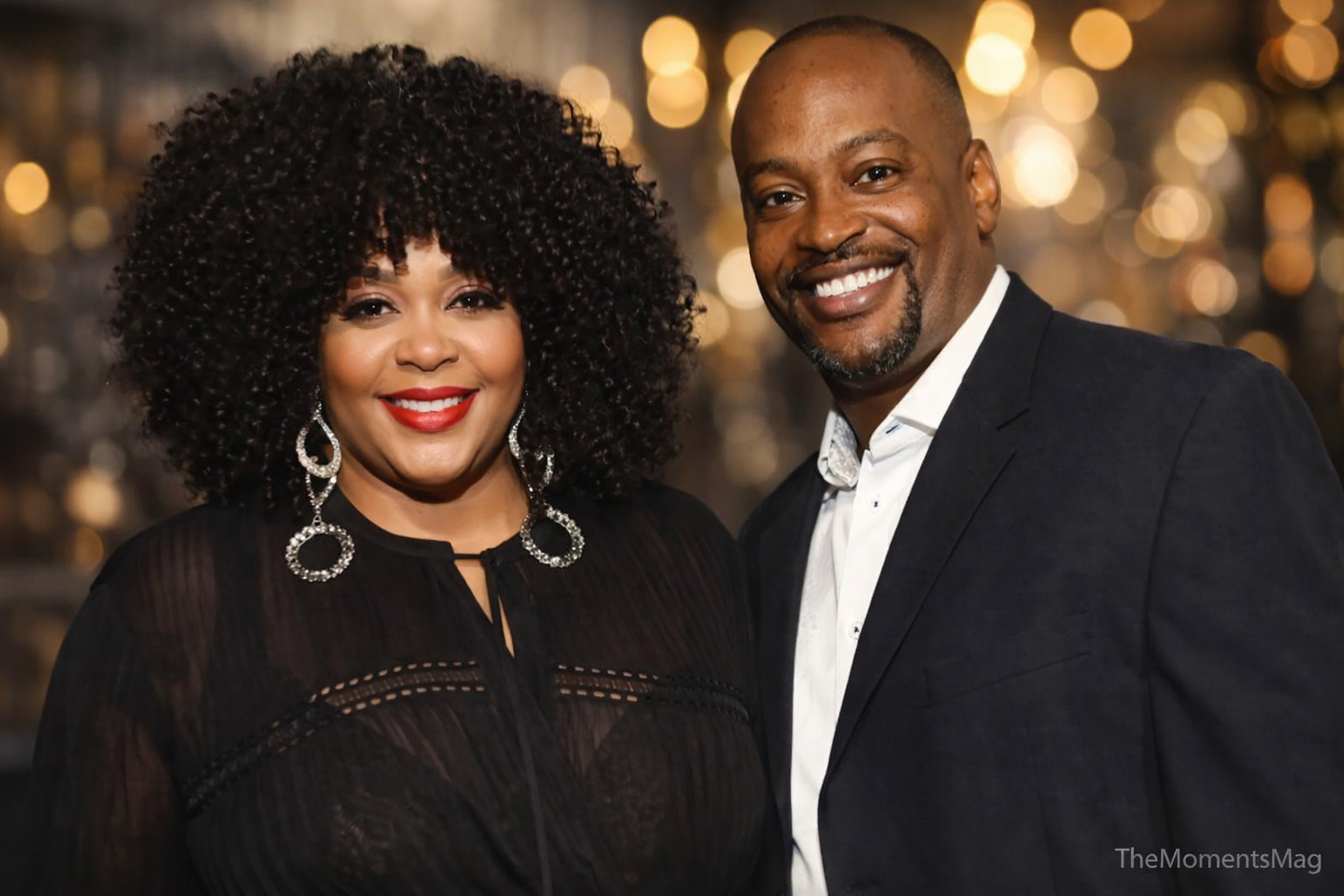
Lyzel Williams is a name that continues to surface in online searches, not because of a public-facing career or media presence, but because of his connection to one of the most respected voices in contemporary soul music. His story is unusual in the modern celebrity era: widely known, frequently searched, yet deliberately private. This biography focuses on what can be responsibly documented, while also explaining why so much about Lyzel Williams remains intentionally out of the spotlight.
In an age when personal details are often overshared, Lyzel Williams represents a contrasting narrative. His life is best understood not through constant updates or interviews, but through context, verified history, and the cultural moment that brought his name into public awareness.
Early Life and Background
Public records and mainstream biographies provide limited information about Lyzel Williams’ early life. His date of birth, family background, and upbringing have not been widely disclosed through authoritative sources. This absence is notable, but not accidental. Unlike many individuals associated with celebrities, Williams has never sought to build a public persona or leverage his connection for visibility.
What is consistently reported is that he developed an early interest in creative fields. He is described in multiple biographies as a graphic artist and a DJ, professions that suggest immersion in art, music, and cultural spaces rather than corporate or academic paths. These creative environments would later intersect naturally with poetry, spoken word, and neo-soul scenes emerging in the late 1990s.
Creative Work and Professional Life
Lyzel Williams’ professional identity is rooted in creativity. Descriptions of him as both a graphic artist and a DJ indicate work that blends visual storytelling with sound and atmosphere. While specific employers, projects, or commercial achievements have not been publicly verified, these roles alone place him within a broader cultural ecosystem that values expression, collaboration, and behind-the-scenes influence.
Graphic artists often operate without name recognition, shaping visual language for events, brands, or communities while remaining invisible to wider audiences. DJs similarly curate experiences rather than seek the spotlight. In that sense, Williams’ career choices align with his broader pattern of privacy. His work appears to have been about craft rather than attention.
This creative grounding is important for understanding how he came into the orbit of major artistic figures. Relationships in creative communities often form through shared spaces rather than fame-driven encounters, and Williams’ background fits that pattern.
Relationship With Jill Scott
Lyzel Williams is best known publicly as the first husband of singer, songwriter, and poet Jill Scott. Their relationship began well before Scott reached mainstream success, during a period when she was still building her career through poetry readings and local performances.
The couple dated for several years before marrying in 2001. Their wedding took place in Hawaii and was kept private, reflecting a shared preference for intimacy over publicity. At the time, Jill Scott’s debut album had already established her as a rising force in neo-soul, but her global fame was still growing.
Williams’ name became permanently embedded in popular culture through Scott’s song “He Loves Me (Lyzel in E Flat).” The track is widely understood to be inspired by their relationship and remains one of her most emotionally resonant recordings. Unlike many songs that use metaphor or anonymity, this one used his name directly, creating a lasting association between the music and the man behind it.
The marriage lasted until 2007, when the couple divorced. No detailed public explanation was offered for the separation, and neither party engaged in public disputes or media narratives surrounding the end of the relationship. That restraint reinforced Williams’ reputation as someone uninterested in public drama or personal exposure.
Life After Divorce
Following the divorce, Lyzel Williams largely disappeared from public discussion. There are no verified interviews, public statements, or media appearances that outline his post-marriage life. This absence has fueled speculation across low-quality websites, but credible sources remain silent.
It is not unusual for individuals connected to celebrities to withdraw from visibility once a relationship ends, especially when they have no independent interest in fame. In Williams’ case, his continued privacy suggests a deliberate choice to return fully to personal and professional life outside public scrutiny.
Claims regarding his remarriage, current residence, net worth, or personal circumstances circulate online, but these claims are rarely supported by primary sources or reputable reporting. As a result, they should be treated with caution rather than accepted as fact.
Public Curiosity and Online Myth-Making
The continued interest in Lyzel Williams says less about his actions and more about modern search culture. Songs, interviews, and archival content circulate endlessly on social platforms, introducing his name to new audiences long after the original context has passed.
When listeners encounter “He Loves Me” for the first time, or rediscover it years later, curiosity naturally follows. Who was Lyzel? What happened to them? Where is he now? These questions are human, but the internet often answers them with speculation rather than restraint.
This dynamic has turned Williams into a figure surrounded by partial truths and recycled assumptions. Many biography-style websites replicate one another, expanding thin information into full narratives without verification. Over time, repetition creates the illusion of fact.
Understanding Lyzel Williams accurately requires recognizing the limits of public knowledge and respecting those boundaries.
Cultural Significance Without Celebrity
Lyzel Williams occupies a rare space in popular culture. He is not an artist with a public catalog, not a media personality, and not a business figure. Yet his name is permanently tied to a song that holds emotional significance for millions of listeners.
That kind of cultural footprint is unusual. It demonstrates how private individuals can become part of public memory through art, even when they themselves never step into the spotlight. Williams did not build a brand, yet his name lives on in lyrics, liner notes, and conversations about love and vulnerability in music.
His story also highlights the asymmetry of fame. One partner becomes globally recognized, while the other remains grounded in anonymity. Both realities can coexist, and neither invalidates the other.
Privacy as a Defining Trait
If there is one consistent theme in Lyzel Williams’ biography, it is privacy. From the lack of early-life documentation to the absence of post-divorce publicity, his life appears shaped by a clear boundary between personal identity and public consumption.
In a digital era that often rewards oversharing, this approach stands out. It also complicates attempts to write comprehensive biographies, because silence leaves fewer facts to work with. Yet that silence is itself meaningful. It suggests intention rather than obscurity.
Williams’ biography is not incomplete because information is missing. It is complete in the sense that it reflects how he has chosen to exist in relation to public life.
Also Read: Imogen Faith Reid Biography: Life, Career, and Breakthrough
Conclusion
Lyzel Williams is best understood not as a celebrity, but as a private individual whose name entered public awareness through love, art, and a specific moment in cultural history. As a creative professional and the former husband of Jill Scott, he occupies a unique position where recognition exists without self-promotion.
His life story resists the modern urge for constant visibility. Instead, it offers a quieter lesson about boundaries, dignity, and the right to remain unseen even when connected to fame. While curiosity about Lyzel Williams will likely continue as long as the music that references him endures, the most accurate biography is one that respects both what is known and what has been deliberately kept private.
In that balance, Lyzel Williams remains exactly who he appears to have always been: a real person, not a public product, remembered through art rather than exposure.

