

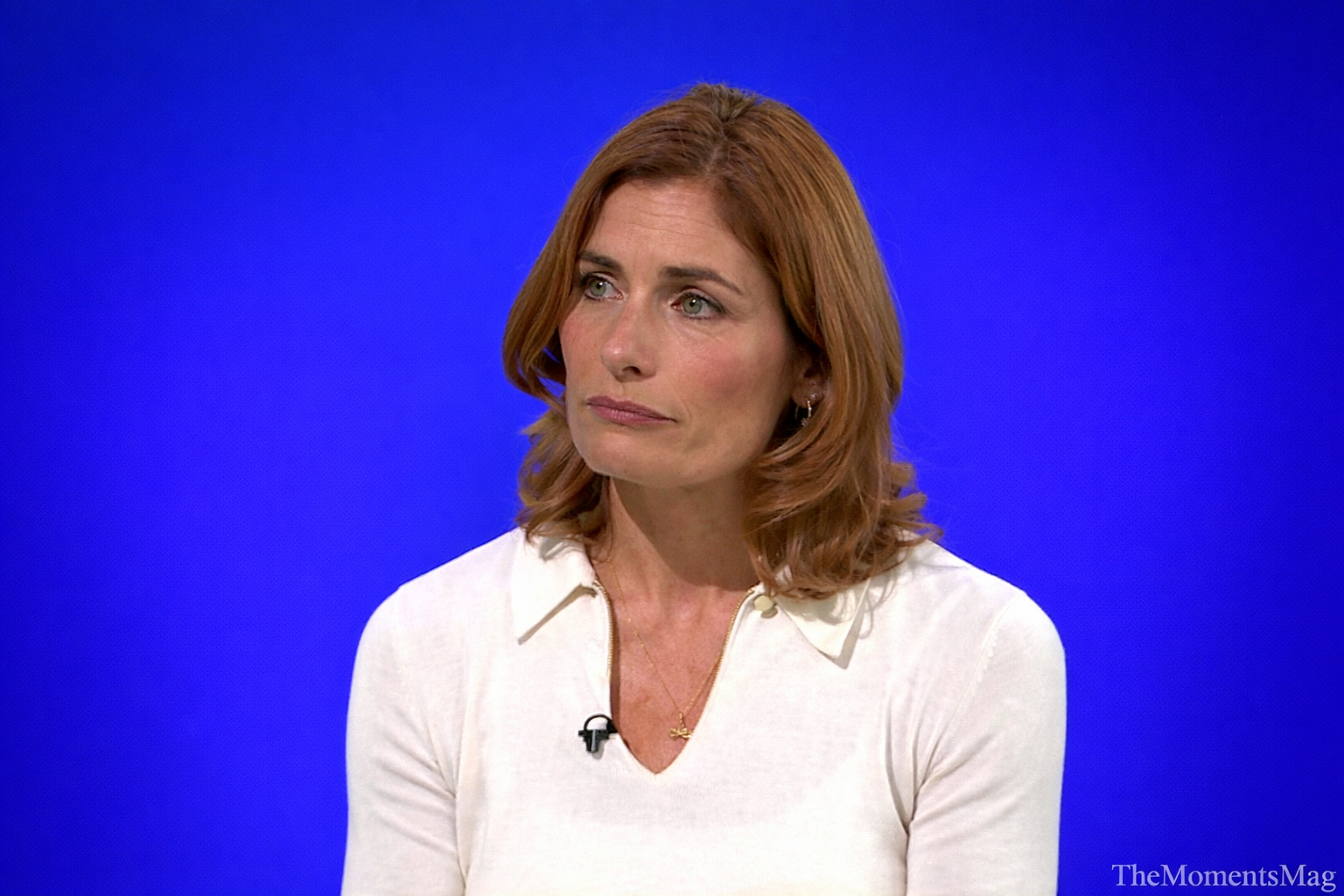
In the age of instant information, silence can speak louder than facts. When a familiar face disappears from television screens, even briefly, audiences notice. Questions surface quickly, often distilled into a single search phrase. In recent years, that phrase has been “romilly weeks illness.” It reflects curiosity, concern, and sometimes confusion about the private life of a respected public figure whose work many viewers trust and admire.
Yet the reality behind that search term is quieter and more nuanced than the internet might suggest. To understand why the question exists at all, it helps to look not only at what is known about Romilly Weeks’ health, but also at who she is, how modern media works, and why speculation so often fills gaps where facts are absent.
Who Romilly Weeks Is and Why She Matters
Romilly Weeks is a British broadcast journalist best known for her role as Political Correspondent for ITV News. Over the years, she has become a familiar presence for UK audiences, reporting from Westminster during moments of political upheaval, elections, leadership contests, and national debates that shape everyday life.
Political correspondents occupy a particular place in British journalism. They are not entertainers or celebrities in the traditional sense, but they are visible, trusted interpreters of power. Viewers come to recognise their voices, their tone, and their analytical style. When one of them is absent, even temporarily, the absence can feel personal.
Weeks’ reporting style is measured and clear. She is known for translating complex policy into language that makes sense to a broad audience without diluting its meaning. That consistency is precisely what makes any change noticeable. When she appears less frequently on screen or is assigned away from a familiar role, viewers begin to ask why.
The Origin of the “Illness” Question
The phrase “romilly weeks illness” did not originate from an official announcement, a medical disclosure, or a confirmed news report. Instead, it emerged organically from online searches and social media discussion. This is increasingly common in modern media culture.
Television journalism, unlike many other professions, plays out in public. Absence is visible. In an era where audiences are accustomed to constant updates, any unexplained gap can trigger speculation. Search engines then amplify that speculation. When enough people search the same phrase, it starts to look like a story, even when it is not.
As of now, there is no verified public information confirming that Romilly Weeks is suffering from any specific illness. Neither Weeks herself nor ITV News has released a statement indicating that she has health problems. Her publicly available professional biographies focus on her career, not her medical history, and that silence is consistent with long-standing norms in British journalism around privacy.
Privacy and Health in British Journalism
In the UK, a journalist’s health is considered a private matter unless they choose to make it public or there is a compelling public-interest reason to report it. This principle is embedded in editorial standards and reinforced by regulators and professional codes.
Being a public figure does not automatically erase the right to medical privacy. Even senior politicians are not required to disclose health details unless those details directly affect their ability to carry out public duties. For journalists, whose role is to report on others rather than wield power themselves, the threshold is even higher.
This context matters. The absence of information about Romilly Weeks’ health is not unusual, suspicious, or evasive. It is normal. Many journalists take time away from screens for reasons that have nothing to do with illness, including rota changes, new reporting assignments, training, personal commitments, or simply annual leave.
How Modern Media Fuels Speculation
The internet has blurred the line between concern and conjecture. In earlier decades, viewers might have noticed a presenter’s absence and then moved on. Today, the instinct is to search, scroll, and share.
Algorithms reward content that matches popular search terms. As a result, pages that include words like “illness” or “health” can rise quickly in search results, even if they offer little more than recycled speculation. Over time, repetition gives those claims an illusion of credibility.
This is not unique to Romilly Weeks. Similar patterns have affected countless journalists, broadcasters, and public figures whose only “signal” was a temporary change in visibility. The phenomenon says more about how digital attention works than about the individuals at its centre.
Romilly Weeks’ Career Beyond the Rumours
Focusing solely on the illness question risks overlooking the substance of Weeks’ professional life. Her career reflects the path of a journalist who has built credibility through experience rather than self-promotion.
As a political correspondent, she has reported on government policy, party divisions, and national crises during periods when public trust in politics has been under strain. Her work requires long hours, constant travel, and the ability to respond quickly to breaking developments. These demands alone can lead to periods away from regular on-screen appearances.
Importantly, journalists often rotate roles or step back temporarily to focus on major investigations or long-form reporting. Such shifts are rarely explained to audiences because, within the profession, they are routine.
Why Audiences Care So Much
The concern behind searches like “romilly weeks illness” is not necessarily malicious. In many cases, it reflects genuine respect. Viewers who value a journalist’s work notice when that work changes or pauses. They worry because familiarity breeds a sense of connection.
At the same time, the emotional logic of concern does not override the ethical need for accuracy. Caring about someone does not require knowing their private medical details. In fact, respecting boundaries is often the truest form of concern.
Separating Absence from Assumption
One of the most important distinctions readers can make is between absence and explanation. Absence is a fact. Explanation requires evidence. Without confirmation from reliable sources, filling the gap with assumptions can unintentionally spread misinformation.
In Weeks’ case, there is no public record indicating that illness is the reason for any changes in her television presence. Treating speculation as fact not only risks being wrong, but also contributes to a broader culture in which privacy is eroded by clicks.
The Broader Conversation About Health and Work
The irony is that Romilly Weeks has herself reported on workplace health and wellbeing, including the economic and social impact of long-term sickness in the UK. These stories highlight how complex and sensitive health issues are, even at a societal level.
That complexity is precisely why individual cases deserve care. Health is not a storyline to be resolved, but a personal reality that intersects with work in different ways for different people.
What We Can Say With Confidence
What can be stated with certainty is simple. Romilly Weeks is an experienced British journalist with a significant role at ITV News. There is no verified public information confirming that she has an illness. Any claims suggesting otherwise are speculative unless supported by direct statements or credible reporting.
Everything beyond that belongs to her private life, which she is under no obligation to explain.
Also Read: Danniella Westbrook Net Worth: Fame, Struggles and Life Today
Conclusion
The search for “romilly weeks illness” reveals less about Romilly Weeks’ health than it does about the modern information environment. In a media landscape driven by visibility and algorithms, silence is often misread as a clue rather than a boundary.
Romilly Weeks’ professional identity is built on her journalism, not on personal disclosure. Until she or her employer chooses to say otherwise, the responsible position is to respect that line. Absence does not equal illness, and curiosity does not justify conjecture.
In the end, the most accurate story is also the least sensational one. A respected journalist continues her career, largely out of the spotlight she helps shine on others. The rest is noise.

