

The lash extension industry is entering 2026 with a noticeably different mindset than it had just a few years ago. What was once driven almost entirely by dramatic volume looks and rapid trend turnover is now shaped by a more mature, professional approach that blends aesthetics, safety, efficiency, and long-term client trust. Lash artists are increasingly expected to deliver consistent results, adapt to evolving preferences, and operate as skilled specialists rather than trend chasers.
For many professionals, that shift starts with access to dependable tools, materials, and education. As the market grows more competitive, sourcing professional-grade supplies and structured learning from established platforms such as https://www.plapro.com/ has become a practical foundation rather than a luxury. Against this backdrop, the trends shaping lash extensions in 2026 reflect deeper changes in how the industry defines quality and professionalism.
Softer, Customised Lash Styling Becomes the Standard
One of the most visible changes in 2026 is the continued move away from one-size-fits-all lash sets. Clients are increasingly informed, often arriving with a clear idea of what suits their face shape, lifestyle, and maintenance preferences. Instead of requesting generic “volume” or “mega volume” sets, they are asking for tailored designs that enhance natural features without overpowering them.
This has pushed lash artists to refine mapping skills and deepen their understanding of eye anatomy. Wispy hybrids, textured classics, and customised curl combinations are now considered baseline skills rather than advanced options. The emphasis is less on extremes and more on balance, longevity, and comfort, which in turn influences the types of lashes, adhesives, and tools professionals choose to work with daily.
Product Innovation Focused on Safety and Performance
As the industry matures, product development is increasingly centred on safety, consistency, and long-term wear rather than novelty alone. In 2026, lash professionals are paying closer attention to ingredient transparency, adhesive curing behaviour, and product compatibility.
This trend aligns with broader cosmetic safety conversations. According to the U.S. Food and Drug Administration, cosmetics used around the eye area require careful formulation and responsible use to minimise the risk of irritation or adverse reactions. While professional lash products are regulated differently from retail cosmetics, awareness of safety standards has influenced how technicians evaluate adhesives, primers, and removers.
As a result, many artists are standardising their kits around fewer, better-understood products that deliver predictable results across different environments and client sensitivities.
Education Shifts From Technique to Professional Practice
Training in 2026 goes far beyond how to isolate or place extensions correctly. While technical precision remains essential, professional education is increasingly focused on building sustainable careers. Topics such as client consultations, retention strategies, pricing confidence, and service consistency are now central to advanced lash education.
New artists entering the field are also more selective about where they learn. Rather than relying solely on short introductory courses, many are seeking platforms that combine structured education with access to professional tools and ongoing learning. This integrated approach reflects a broader recognition that long-term success in lash artistry depends as much on business and professionalism as it does on creative ability.
Efficiency and Workflow Optimisation Matter More Than Speed
Photo by Getty Images on Unsplash
In earlier years, speed was often treated as the primary marker of expertise. In 2026, that perspective has softened. While efficiency still matters, it is now viewed in terms of workflow optimisation rather than rushing through appointments.
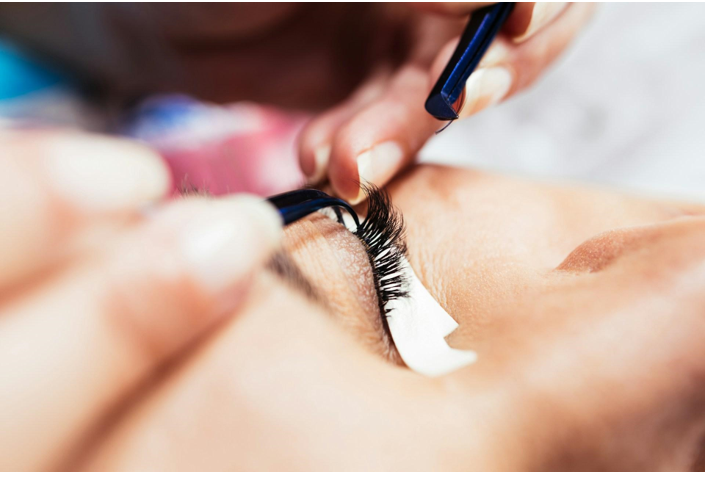
Lash artists are refining studio layouts, lighting setups, and product organisation to reduce fatigue and maintain consistent quality across long working days. Lightweight tools, improved tweezers, and lashes designed for easier fanning support this shift, allowing technicians to work comfortably while maintaining precision.
This trend also reflects changing expectations among professionals themselves. Burnout is more openly discussed, and sustainable working practices are increasingly valued as part of a long-term career in beauty.
Clients Expect Transparency and Professional Standards
Clients in 2026 are more informed and selective than ever. Social media, online reviews, and educational content have given clients a clearer understanding of what professional lash services should involve. They are more likely to ask questions about products used, aftercare routines, and the experience level of their technician.
This has encouraged lash artists to adopt clearer communication practices, from detailed consultations to realistic discussions about maintenance and refill schedules. Transparency is no longer optional; it is a key factor in building trust and long-term client relationships.
Professionals who treat lash services as a structured practice, rather than a purely creative service, are better positioned to meet these expectations and differentiate themselves in crowded markets.
Sustainability Enters the Lash Conversation
While sustainability is still emerging within the lash industry, 2026 shows clear signs of growing awareness. Professionals are beginning to consider packaging waste, product longevity, and responsible disposal practices as part of their operational decisions.
Although lash extensions rely on single-use components by necessity, many artists are choosing brands that prioritise durable tools, refillable options where possible, and thoughtful packaging. This reflects a broader cultural shift within beauty, where environmental responsibility is becoming part of professional credibility rather than a niche concern.
Technology Supports, Rather Than Replaces, Expertise
Technology continues to influence the lash industry, but its role in 2026 is supportive rather than disruptive. Digital booking systems, client management tools, and education platforms help streamline administrative tasks, allowing artists to focus more on service quality.
At the same time, there is a clear understanding that technology cannot replace hands-on skill or professional judgement. The most successful lash professionals use digital tools to enhance consistency and communication, not to automate the craft itself.
Looking Ahead: A More Professional, Resilient Industry
The future of lash extensions in 2026 is defined less by dramatic trend swings and more by steady professional growth. Customisation, safety awareness, education, and sustainable workflows are shaping an industry that increasingly values long-term credibility over short-term hype.
For lash artists, this means investing not only in technique but also in the systems, products, and knowledge that support a resilient career. As expectations continue to rise on both the client and professional side, those who embrace these evolving standards are likely to find greater stability, trust, and satisfaction in their work.


