Home Blog

Measuring Digital Asset Performance With Online Tools

0

To gauge the performance of digital assets, it’s necessary to do more than just evaluate price charts. As cryptocurrencies trade 24/7 and the market mood changes quickly, investors need organised tools and trustworthy data sources to make informed decisions. 

Nowadays, online platforms provide sophisticated analytics, portfolio dashboards, and risk measures that were previously restricted to institutional traders. 

With the right digital tools, investors can analyze profitability, manage volatility, and optimize long-term strategies. 

Listed below are five key methods for assessing the performance of digital assets using online resources. Let’s break down each of them in detail… 

1. Use Real-Time Market Data Platforms

Accurate, real-time pricing information forms the basis of performance measurement. CoinMarketCap and CoinGecko provide real-time prices, market capitalizations, 24-hour trading volumes, and historical data. 

Such metrics help investors evaluate liquidity, volatility, and overall market positioning. You can observe short-term momentum and long-term growth trends by comparing assets over several timeframes. 

With regular checks of credible data sources, you can be sure your investment choice is informed by current, open data.

2. Leverage Portfolio Tracking Dashboards

Performance monitoring becomes complicated when the investor has assets across multiple exchanges or wallets. 

Online dashboards help track crypto portfolio online, consolidating balances, profit and loss, and allocation percentages into a single interface. Most tools are connected to exchanges via secure APIs, providing real-time updates and performance overviews. 

This centralized visibility helps investors to analyze diversification, strategize rebalance holdings and gauge overall returns accurately. Portfolio dashboards minimize manual calculations and improve the effectiveness and clarity of decision-making.

3. Take a Deeper Analysis of On-Chain Metrics

In addition to price performance, blockchain data can give meaningful insights into network health and investor behavior. 

Analytics tools such as Glassnode and CryptoQuant provide information on wallet activity, transaction volumes, miner behavior, and exchange inflows and outflows. 

As an illustration, an increase in the number of active addresses can be a sign of growth in adoption, whereas large inflows from exchanges might signal selling pressure. 

Combining market data with on-chain metrics can provide investors with a more comprehensive view of the underlying fundamentals (which drive the performance of digital assets).

4. Assess Risk and Volatility Metrics

Digital assets are known for substantial price swings, making risk measurement a critical component of performance analysis. Online tools usually give volatility indicators, Sharpe ratios, drawdown statistics, and correlation information. 

Through these measures, investors can determine whether returns are worth the level of risk taken. A comparison of asset correlations can also help identify opportunities for diversification in a crypto portfolio. 

Being aware of downside risk and the possibility of upside growth will help develop a balanced assessment framework that will support more disciplined and sustainable investment strategies over the long run.

5. Establish Notifications and Create Automated Reporting

Automation plays a significant role in maintaining consistent oversight. Numerous trading platforms and exchanges enable traders to set price alerts, percentage-change alerts, and portfolio-performance limits. 

Automated weekly or monthly reports provide an objective overview of gains, losses, and changes in allocations. Investors do not need to respond emotionally to immediate price fluctuations since they can use organized reporting mechanisms to make decisions. 

Integrating alerts and advanced analytics will keep you updated without the stress of constant manual monitoring.

Also Read: Charlene Gail Heffner Biography: Doris Duke’s Adopted Daughter

Charlene Gail Heffner Biography: Doris Duke’s Adopted Daughter

0
charlene gail heffner
The name charlene gail heffner surfaces again and again in the strange history of American wealth. Her story sits somewhere between society drama and genuine human longing. In 1988, tobacco heiress Doris Duke—one of the richest women in the world—adopted Heffner as her adult daughter. Five years later, Duke died and left her out of the will, igniting a courtroom fight that spilled into newspapers across the United States.

That headline version sounds simple, almost cinematic. But anyone who looks closely discovers something more complicated. Charlene Gail Heffner was not born into wealth or the tight social circles of East Coast dynasties. She came from an entirely different world, one shaped by spiritual searching, travel, and unconventional choices. When she entered Doris Duke’s life in the late 1980s, few people expected the relationship to reshape one of America’s most famous fortunes.

More than three decades have passed since the drama surrounding Duke’s estate filled courtrooms and magazines. Yet Heffner’s name still appears in biographies, legal casebooks, and the occasional society column. Part of that persistence comes from curiosity about the Duke fortune itself. Another part comes from the simple fact that Charlene Gail Heffner’s life doesn’t follow the path people expect from someone who briefly stood so close to a billion-dollar inheritance.

Attribute Details
Full Name Charlene Gail Heffner (also known as Chandi Duke Heffner)
Date of Birth 1953 (exact date not widely documented)
Age 73 years old (as of 2026, approximate)
Place of Birth United States
Nationality American
Profession Philanthropist, foundation trustee
Famous For Being the adopted daughter of billionaire heiress Doris Duke
Marital Status Private / not publicly confirmed
Children Not publicly documented
Estimated Net Worth $65–80 million (as of 2026, estimates based on settlement and investments)

Early Life and Family Background

Reliable details about Charlene Gail Heffner’s childhood remain limited, largely because she lived most of her early life outside the spotlight. Public records and contemporary reporting suggest she was born in the United States in the early 1950s, growing up during a period when cultural experimentation and spiritual exploration shaped many young Americans. Friends and acquaintances from those years described her as curious about religion and philosophy, someone who preferred travel and learning to a traditional corporate career.

During the 1970s and early 1980s, Heffner moved through communities connected to Eastern spirituality. Some magazine profiles from the 1990s reported that she spent time among devotees of the Hare Krishna movement. Those accounts portrayed her as someone drawn to meditation, devotional music, and the spiritual teachings that attracted many Western seekers during that era. Whether she considered herself a formal member or simply a participant in those circles remains unclear, but the influence of spiritual life appears throughout descriptions of her younger years.

People who knew her then often described a woman who valued independence and experience over stability. By all accounts she lived in several places, including Hawaii and California, regions known for alternative communities during that period. Those environments exposed her to artists, spiritual teachers, travelers, and philanthropists, a mixture that would later shape her interests in charity and humanitarian work.

Her life during those years rarely appeared in mainstream newspapers, and that anonymity shaped the shock that followed later. When Charlene Gail Heffner eventually entered the orbit of one of the wealthiest women in America, reporters rushed to reconstruct her past. They found someone whose life looked nothing like the old-money lineage surrounding Doris Duke.

The Woman Who Changed Everything: Meeting Doris Duke

By the late 1980s, Doris Duke had already lived several remarkable lives. Born in 1912 as the daughter of tobacco magnate James B. Duke, she inherited a vast fortune after his death when she was only twelve. Over the following decades she became known for philanthropy, travel, and patronage of the arts, supporting projects that ranged from Islamic architecture studies to environmental causes.

Yet Duke’s personal life often appeared lonely. She had married and divorced twice, and her only child, Arden, died shortly after birth in 1940. Friends later said that loss lingered with her for decades. By the time she met Charlene Gail Heffner, Duke was in her seventies and living much of the year in Beverly Hills and New Jersey.

Accounts differ slightly about how the two women first met, though most reporting places the encounter during the late 1980s. Several sources say Heffner worked briefly in a role connected to Duke’s household or traveled within social circles that eventually led to an introduction. What happened next surprised nearly everyone around Duke.

In November 1988, Doris Duke legally adopted Charlene Gail Heffner under New Jersey’s adult adoption statute. Heffner was 35 years old at the time, while Duke was 75. Adult adoption is legal in many states but rarely attracts attention. In this case the enormous wealth behind the Duke name ensured the decision immediately drew scrutiny.

Friends of Duke later suggested she believed Heffner shared a spiritual bond with her, possibly tied to the memory of her lost child. Others believed Duke simply wanted companionship during her later years. Whatever the deeper motivation, the legal result was unmistakable. Charlene Gail Heffner became Chandi Duke Heffner, the adopted daughter of one of the richest women in America.

Life as Doris Duke’s Adopted Daughter

For a brief period after the adoption, Heffner appeared to occupy a central place in Duke’s personal life. Society reporters occasionally mentioned her alongside the heiress during events and travels. Those appearances fueled speculation that Duke had found the daughter she never had the chance to raise.

Inside Duke’s circle, reactions were mixed. Some longtime friends welcomed the idea that Duke had formed a family bond late in life. Others remained cautious, uncertain about how the relationship might affect the enormous estate Duke controlled.

Observers in high society understood the implications immediately. If the relationship continued, Charlene Gail Heffner might one day inherit or influence a fortune estimated at more than a billion dollars. Even if Duke intended most of the money for charity, being her adopted daughter placed Heffner closer to power than almost anyone outside the Duke family.

But relationships formed late in life can change quickly. Within a few years tensions reportedly developed between the two women. Details remain private, though friends suggested disagreements over lifestyle, finances, and personal boundaries strained the connection. What once looked like a new beginning gradually turned into distance.

The Break and the Controversial Will

Doris Duke died on October 28, 1993, at the age of eighty. When her will became public, the shock rippled through both society circles and national media. Charlene Gail Heffner, the woman Duke had adopted five years earlier, was not included among the main beneficiaries.

Instead, Duke’s estate placed major control in the hands of her longtime butler, Bernard Lafferty, who served as executor. Newspapers quickly seized on the unusual arrangement. Vanity Fair and other magazines examined the circumstances surrounding Duke’s final years, raising questions about influence, loyalty, and the decisions made during the heiress’s declining health.

The estate itself was immense. Contemporary reporting estimated Duke’s wealth at roughly $1.2 billion, much of it eventually directed toward charitable foundations. For Charlene Gail Heffner, the will represented both a personal rupture and a legal challenge.

Within months she filed claims contesting her exclusion. Court documents indicated she believed Doris Duke had promised to provide for her financially for the rest of her life. The legal battle that followed stretched across multiple proceedings and attracted intense press attention.

By December 1995, the dispute reached a settlement. Heffner agreed to drop her claims to the broader estate in exchange for $65 million. Though a fraction of the total fortune, the settlement remained one of the largest payments ever associated with an inheritance dispute involving a non-biological heir.

Legal Battles and the Question of Lineage

The settlement with the Duke estate did not end every legal question connected to Charlene Gail Heffner. Another case centered on the interpretation of trusts established decades earlier by James B. Duke, Doris Duke’s father. These trusts used language referring to “lineal descendants,” a phrase common in estate planning documents from the early twentieth century.

Heffner argued that as Doris Duke’s legally adopted daughter she should qualify under that definition. Courts examined the question carefully, considering both adoption law and the intentions behind the original trust structure. Judges ultimately ruled that adult adoption did not automatically grant access to those trust benefits.

That decision illustrated a complicated truth about family law. Adoption creates a legally recognized parent-child relationship, but older trust agreements sometimes define heirs differently. Charlene Gail Heffner’s case became a reference point for attorneys discussing the limits of adult adoption in inheritance disputes.

The legal battles gradually faded from headlines as settlements concluded and charities began administering Duke’s philanthropic legacy. Yet the case remained a fascinating example of how personal relationships intersect with massive wealth.

Life After the Duke Estate

Many people assumed Charlene Gail Heffner would disappear into private life after the estate disputes ended. Instead she moved in a quieter direction that reflected interests from her earlier years. Over time she became associated with humanitarian and animal welfare efforts, particularly in South Asia.

One of the organizations linked to her work is the CDH International Foundation, a charity focused on medical care and veterinary support in rural India. According to the foundation’s published information, its programs include clinics providing medicine, mobile medical units visiting interior villages, and services for livestock and working animals that rural families depend upon.

The foundation also describes efforts providing wells, food supplies, and aid for communities facing poverty. Trustees connected to the group say they receive no compensation for their work, a structure meant to emphasize charitable service over financial benefit. Through these programs Heffner’s name appears less frequently in gossip columns and more often in reports about nonprofit projects.

People involved with the foundation often describe a philosophy centered on compassion for both humans and animals. That approach echoes the spiritual interests that shaped Heffner’s earlier life. Anyone who studies her biography closely notices that the themes of service and spirituality appear long before the Duke adoption changed her public identity.

Personal Life and Relationships

Charlene Gail Heffner has maintained a remarkably private personal life since the mid-1990s. Unlike many figures connected to wealth or celebrity, she rarely appears in interviews and seldom speaks publicly about the events surrounding Doris Duke’s estate.

Friends and associates occasionally describe her as someone who prefers spiritual study and travel to the attention of society pages. That choice may explain why reliable information about her marriages or romantic relationships remains scarce. Some internet biographies claim multiple marriages, but most of those claims trace back to gossip sources rather than confirmed records.

What can be said with confidence is that the experience of becoming Doris Duke’s adopted daughter and later confronting the estate dispute shaped how Heffner approached publicity. Anyone who has watched the media cycle surrounding inheritance battles understands why she might choose privacy over explanation.

Observers who encountered her through philanthropic work often mention a calm demeanor and a focus on practical aid rather than prestige. By all accounts she appears comfortable living outside the spotlight that once surrounded her name.

Net Worth and Financial Standing in 2026

Estimating Charlene Gail Heffner’s wealth requires caution because she does not publish financial statements. The most concrete figure connected to her finances remains the $65 million settlement reached in 1995 following the dispute over Doris Duke’s estate.

If that sum had been invested conservatively over three decades, financial analysts suggest it could have grown substantially. Investment growth, charitable donations, and private expenditures all affect the final figure, making precise calculations difficult. Many modern estimates place her personal wealth somewhere between $65 million and $80 million as of 2026.

That financial position places her among affluent private citizens but far below the billion-dollar fortune once associated with the Duke family. For someone who briefly stood near one of America’s largest estates, the outcome represents a dramatic shift from public expectations.

Still, wealth alone never defined Charlene Gail Heffner’s life. Her later activities suggest a focus on humanitarian work rather than expansion of personal fortune. That perspective echoes the charitable impulses that shaped Doris Duke’s legacy as well.

Lesser-Known Details About Charlene Gail Heffner

Not many people know this, but the adoption between Doris Duke and Charlene Gail Heffner remains one of the most widely cited examples of adult adoption in American legal discussions. Law professors sometimes reference the case when teaching inheritance law because it shows how adoption interacts with older trust documents.

Another surprising detail involves how briefly Heffner lived within Duke’s household after the adoption. Although public perception suggested a long period of closeness, the relationship lasted only a few years before tensions developed. That short timeline helps explain why the dispute erupted so quickly after Duke’s death.

There is also a quieter side to the story that rarely appears in headlines. People connected with Heffner’s charitable work say she spends extended periods in India overseeing or supporting humanitarian programs. Those visits reflect the same spiritual curiosity that influenced her earlier life.

Finally, her story reveals how quickly identity can change when wealth enters the picture. Before 1988, Charlene Gail Heffner lived largely outside the public eye. Within a few years she became the focus of one of the most talked-about inheritance cases of the decade.

Frequently Asked Questions

Who is Charlene Gail Heffner?

Charlene Gail Heffner, often known as Chandi Duke Heffner, is an American philanthropist best known as the adult adopted daughter of billionaire heiress Doris Duke. Duke adopted her in 1988 under New Jersey’s adult adoption law. The relationship later drew national attention when Duke died in 1993 and left her out of the will.

Why did Doris Duke adopt Charlene Gail Heffner?

Reports from friends and journalists suggest Doris Duke believed she shared a strong emotional and spiritual connection with Heffner. Duke had lost her only child decades earlier, and some observers felt she hoped the adoption would create a family bond late in life. The exact motivation remains private because Duke never fully explained the decision publicly.

Did Charlene Gail Heffner inherit Doris Duke’s fortune?

Charlene Gail Heffner did not inherit the main portion of Doris Duke’s estate. After Duke’s death she challenged the will in court and eventually reached a settlement worth about $65 million in 1995. Most of Duke’s wealth ultimately moved into charitable foundations.

What is Charlene Gail Heffner doing today?

Recent information links Heffner to humanitarian work through the CDH International Foundation. The organization provides medical care, veterinary services, and community aid programs in rural India. She appears to focus on charitable activities rather than public appearances.

How much is Charlene Gail Heffner worth in 2026?

Precise figures are not publicly confirmed, but estimates generally place her wealth between $65 million and $80 million. That estimate is based largely on the 1995 settlement and potential investment growth over time.

Also Read: Ernestine Harvin Biography: Little Richard’s Former Wife

Conclusion

Charlene Gail Heffner’s life reads like a story pulled from a novel about wealth and family. A woman from outside elite society suddenly becomes the adopted daughter of a billionaire. Within a few years the relationship fractures, and the dispute unfolds in courtrooms watched by the entire country.

But that headline version only tells part of the story. Behind the legal battles stood two individuals searching for connection during very different stages of life. Doris Duke carried the loneliness of losing her child decades earlier, while Heffner carried the curiosity of someone drawn toward spiritual and humanitarian work.

The truth is that Charlene Gail Heffner’s biography cannot be reduced to a single inheritance dispute. After the settlement she moved into quieter work supporting medical and animal welfare programs, far from the estate drama that once defined her public image. Anyone who studies her life closely discovers a person shaped as much by compassion and spiritual interest as by the extraordinary wealth that briefly surrounded her.

History often remembers people through the loudest moments of their lives. For Charlene Gail Heffner, that moment arrived when she stood at the center of one of America’s most unusual inheritance battles. Yet the years that followed show a different picture, one where philanthropy and privacy replaced the glare of headlines. The story continues quietly, written far from courtrooms and society pages, in the everyday work of helping others.

Ernestine Harvin Biography: Little Richard’s Former Wife

0
ernestine harvin

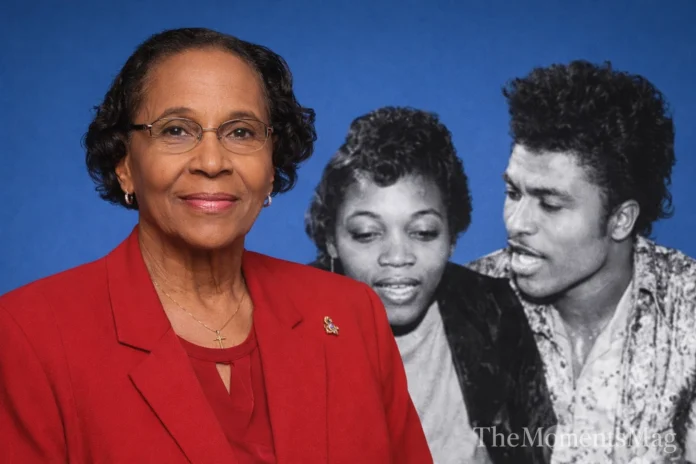
The name Ernestine Harvin rarely appears in the bright lights of music history, yet her story sits quietly beside one of the loudest figures rock and roll ever produced. Her former husband, Richard Wayne Penniman—better known to the world as Little Richard—spent decades shouting, pounding piano keys, and turning American pop culture upside down. Harvin lived a very different life. She preferred privacy, routine, and distance from celebrity spectacle. Their marriage lasted fewer than five years, yet it has remained a fascinating chapter in the story of a man who helped shape modern music.

Most biographies of Little Richard focus on the stage persona: the flamboyant suits, towering pompadour, and voice that seemed built for stadium walls. Ernestine Harvin represents the other side of that life. She experienced the quieter hours, the complicated conversations, and the strain that comes when public myth collides with private reality. By all accounts, she never chased attention or celebrity status. In fact, the limited public record surrounding her life tells a story of someone who stepped away from the spotlight as soon as the marriage ended.

Understanding Ernestine Harvin means understanding the era she lived in and the complicated world she entered through marriage. The late 1950s and early 1960s were turbulent years for both American music and American culture. Rock and roll had only recently burst into mainstream popularity, and artists like Little Richard were redefining how performers looked, sounded, and behaved. Harvin, who reportedly worked as a secretary before meeting him, suddenly found herself attached to a cultural force that few people truly understood at the time.

Attribute Details
Full Name Ernestine Harvin (also associated with Ernestine Campbell in some records)
Date of Birth Exact date uncertain; estimates range from the mid-1930s
Age Deceased (age varies depending on reported birth year)
Place of Birth Believed to be Washington, D.C., United States
Nationality American
Profession Secretary and private citizen
Famous For Being the only known wife of rock-and-roll legend Little Richard
Marital Status Divorced; formerly married to Little Richard (1959–1964)
Children Adopted son, Danny Jones
Estimated Net Worth Not publicly documented

Early Life and Family Background

The earliest chapters of Ernestine Harvin’s life remain mostly private, which has led to years of confusion online. Several biographies and archival references describe her as being born in Washington, D.C., sometime in the mid-1930s. The exact year is unclear, largely because Harvin never lived as a public figure and few official documents circulated widely during her lifetime.

Growing up in the nation’s capital during the 1930s and 1940s would have placed her childhood squarely within a period of economic hardship and social change. Washington was expanding quickly as federal jobs grew during and after World War II. Many young women found work as secretaries, clerks, or administrative assistants in government offices or private companies that supported the city’s growing bureaucracy. According to later biographical summaries, Harvin followed that path and worked as a secretary before meeting Little Richard.

People who crossed paths with her during those years described a woman who valued routine and stability. Friends and acquaintances remembered her as reserved, polite, and thoughtful. That personality may explain why she remained largely absent from the public record later in life. Unlike many spouses of celebrities, she did not pursue interviews, public appearances, or memoir writing. Her silence, while admirable in its restraint, also left historians with limited material.

Still, the fragments that exist paint a picture of someone raised with traditional expectations about family and marriage. Harvin grew up in an era when stability and domestic life were deeply valued, particularly among women entering the workforce in administrative roles. Those expectations would soon collide with the unpredictable world of rock and roll.

Meeting Little Richard at a Turning Point in His Life

Not many people know this, but Ernestine Harvin met Little Richard in a setting that had nothing to do with nightclubs or recording studios. According to multiple biographies of the musician, the two first crossed paths in October 1957 at an evangelical rally. At that time, Little Richard had already achieved major success with hits like “Tutti Frutti,” “Long Tall Sally,” and “Good Golly, Miss Molly.” Yet he was also wrestling with intense religious convictions that periodically pulled him away from the music industry.

By the late 1950s, Richard Penniman was experiencing what he described as a spiritual awakening. During one famous moment in 1957, he reportedly abandoned a concert tour in Australia and enrolled in Bible college. The evangelical rally where he met Ernestine Harvin took place during this religious period. That detail has fascinated historians because it highlights how faith repeatedly shaped the direction of his personal life.

Their meeting reportedly sparked an immediate connection. Harvin’s calm demeanor contrasted sharply with Richard’s explosive personality. Friends later said that the relationship seemed surprisingly grounded, at least in the beginning. Harvin represented stability, something the singer had rarely experienced amid touring schedules and constant media attention.

Their relationship developed quietly over the next couple of years. Unlike many celebrity romances, it did not play out across magazine covers or gossip columns. By July 1959, the couple had decided to marry, choosing Santa Barbara, California, for their wedding ceremony. For Little Richard, who had spent years defying social norms, the marriage appeared to signal a shift toward a more traditional life.

Marriage to Little Richard

Ernestine Harvin and Little Richard married on July 12, 1959. At the time, the musician was already one of the most recognizable performers in America. His stage performances were electrifying, blending gospel rhythms with pounding piano and a style that would influence generations of artists. Offstage, however, he often spoke about wanting a quieter life.

Harvin reportedly believed that marriage could help create that stability. According to later interviews attributed to people close to the couple, their early years together were relatively peaceful. They shared a home, built routines, and even adopted a young child. For a moment, the marriage seemed like an attempt by Richard to reconcile his spiritual beliefs with his career in popular music.

But life beside a cultural icon rarely stays simple. Touring schedules, recording sessions, and the pressures of fame placed constant strain on the relationship. Harvin reportedly struggled with the attention that followed her husband wherever he went. Fans, journalists, and promoters all wanted access to Little Richard, leaving little room for a conventional domestic life.

Their marriage also existed within a larger conversation about Richard’s identity. Over the years, the singer spoke openly about his struggles with sexuality and faith. Those internal conflicts created tension within the relationship. Harvin later indicated that the pressures of celebrity life were difficult to manage, while Richard himself suggested that his own behavior contributed to the breakdown of the marriage.

By April 1964, the couple had divorced. The separation ended their five-year marriage and marked the only time Little Richard was legally married.

Family Life and Their Adopted Son

During their marriage, Ernestine Harvin and Little Richard adopted a young boy named Danny Jones. Biographical accounts describe him as a one-year-old child when the adoption took place. The decision reflected the couple’s desire to build a family, something that might have helped anchor their lives during an unpredictable period.

Danny Jones remained part of Little Richard’s life long after the marriage ended. As he grew older, he reportedly worked as one of Richard’s bodyguards during various tours and appearances. Their continued relationship suggests that the bond formed during those early years endured despite the divorce.

For Harvin, adopting a child likely represented a deep commitment to family life. Although details about her parenting style remain limited, the decision itself offers insight into the kind of future she envisioned during her marriage. Raising a child alongside a rock and roll star may have seemed daunting, yet she chose to embrace that responsibility.

Even after the divorce, Danny Jones’s connection to Little Richard kept a thread of continuity between the couple’s lives. That shared history remains one of the clearest signs that their marriage involved more than celebrity headlines.

Life After the Divorce

Once the marriage ended in 1964, Ernestine Harvin stepped away from public attention almost completely. Unlike many individuals connected to famous musicians, she never sought publicity about the relationship. She did not publish memoirs, appear regularly in interviews, or build a public career based on her connection to Little Richard.

Several sources suggest that she later remarried and used the surname Campbell, though documentation of that stage of her life remains limited. That lack of information reflects her determination to return to a private existence. For someone who had briefly been connected to the center of rock and roll culture, disappearing from the public eye was likely a deliberate choice.

Little Richard’s career continued to rise and fall across the decades following their divorce. He returned to recording music, performed in films, and eventually became recognized as one of the founders of rock and roll. His legacy expanded through awards, tributes, and inductions into halls of fame. Harvin watched that story unfold from a distance, largely outside the view of journalists.

Her absence from public discussion sometimes led to speculation online. Various websites attempted to fill the gaps with guesses about her later life, often presenting contradictory information about her age, location, or death. The truth is that Harvin’s story after the 1960s remains mostly undocumented, reflecting the life of someone who chose privacy over notoriety.

Financial Standing and Public Recognition

Because Ernestine Harvin lived outside the entertainment industry, reliable information about her personal finances remains scarce. She worked as a secretary before meeting Little Richard, and there is no clear evidence suggesting she pursued high-profile business ventures afterward. Estimates of her net worth vary widely across websites, but most appear speculative rather than based on verifiable financial records.

Little Richard, by contrast, built a career that produced millions in earnings through record sales, tours, and film appearances. Songs like “Tutti Frutti” and “Lucille” became defining tracks of the rock and roll era. Over time, his influence earned him recognition from institutions including the Rock and Roll Hall of Fame, which inducted him in 1986.

Harvin’s financial story, however, likely resembled that of many private citizens who lived ordinary professional lives. While she was briefly connected to immense fame, she did not attempt to capitalize on that connection. Instead, she returned to a quieter path that remained largely undocumented.

Lesser-Known Details About Ernestine Harvin

What’s surprising is how little reliable information exists about Ernestine Harvin despite the enormous fame of her former husband. One lesser-known fact is that she met Little Richard during a period when he was deeply focused on religion rather than music. That meeting place—a revival gathering—shaped the tone of their early relationship.

Another detail that often escapes casual readers is that she and Richard adopted their son together rather than having biological children. That choice reflects their attempt to create a stable household during a chaotic chapter of the singer’s career.

A third detail involves the confusion surrounding her name. Some records refer to her as Ernestine Campbell after a later marriage, while others maintain her maiden name. The variation has fueled much of the misinformation circulating online today.

Finally, Harvin’s refusal to seek publicity stands out in an era when many celebrity relationships become public brands. She never built a media identity based on her marriage. Instead, she quietly exited the public stage once the relationship ended.

Frequently Asked Questions

Who was Ernestine Harvin?

Ernestine Harvin was the only woman known to have been married to rock and roll pioneer Little Richard. The couple met in 1957 at an evangelical rally and married in 1959 in Santa Barbara, California. Their relationship lasted until their divorce in 1964.

Did Ernestine Harvin have children?

Yes, she and Little Richard adopted a son named Danny Jones during their marriage. Jones later maintained a relationship with Little Richard and reportedly worked as one of his bodyguards during adulthood.

Why did Ernestine Harvin and Little Richard divorce?

The exact reasons remain somewhat personal, but both individuals later suggested that the pressures of fame and personal struggles contributed to the separation. Little Richard acknowledged that his lifestyle and internal conflicts affected the marriage.

What did Ernestine Harvin do for a living?

Before meeting Little Richard, Harvin reportedly worked as a secretary in Washington, D.C. After the divorce, she lived a largely private life, and there are few public records documenting her professional activities afterward.

Is Ernestine Harvin still alive?

Information about her later years remains unclear because she lived outside the public spotlight. Some sources suggest she passed away years after the divorce, while others offer conflicting dates. The lack of confirmed records has led to ongoing uncertainty.

Also Read: Valerie Siefman Biography: Family, Career, and Life Story

Conclusion

Ernestine Harvin occupies an unusual place in the story of American music. She never recorded a song, stood under stage lights, or courted media attention. Yet her life intersected with one of the most influential figures in rock and roll history during a period of enormous cultural change.

Her marriage to Little Richard lasted only a few years, but it revealed a side of the singer that audiences rarely saw. Away from concert halls and television cameras, he was a man wrestling with faith, identity, and the responsibilities of family life. Harvin witnessed those struggles firsthand.

The truth is that Ernestine Harvin’s story is defined as much by what we don’t know as by what we do. Her decision to step away from public life after the divorce preserved her privacy, even if it left historians with fewer details to examine.

Still, the fragments that remain tell us something meaningful. They remind us that behind every larger-than-life public figure stands a circle of people who experienced the quieter, more complicated side of fame. Ernestine Harvin was one of those people, and her brief chapter beside Little Richard remains a small but revealing piece of music history.

Gemstone Pairings That Work: Combining Moonstone with Labradorite, Amethyst, and Clear Quartz

0

Moonstone shines in a way that no other stone does. It feels calm, magical, and full of soft light, like a small piece of the moon is in your hand. But did you know that moonstone’s energy gets stronger when you mix it with other stones?

Some gemstones just fit together. Their energies work well together to help you heal, find balance, and connect on a deeper level. Moonstone is one of those stones that looks great with other stones. It doesn’t overpower; it works well with other things. Its beauty and versatility make it a favorite among gemstone lovers, and you can explore different moonstone options at GemstonesForSale. In this blog, we’ll explore its pairings with labradorite, amethyst, and clear quartz.

Moonstone and Labradorite: The Intuitive Pair

People often call moonstone and labradorite “sister stones.” Both minerals are in the same family (feldspar) and have a similar shine that catches the light beautifully. But their energies are related, but they taste a little different.

Moonstone stands for gentle, emotional, and feminine energy. On the other hand, labradorite has a protective and transformative energy. You get balance when you put them together: protection and intuition work together.

The Energy Link

Moonstone helps you become more aware of your feelings and your intuition. When we talk about labradorite, it’s said to protect against bad energy.m At the same time, it can also enhance your intuition.

Moonstone connects you to the soft light of the moon, while labradorite connects you to the mystery of the night sky. When you put them together, it creates a strong energy field, helping you feel more safe and grounded while trusting your intuition. Considering the moonstone gemstone price, investing in this combination is well worth it for both its beauty and energetic benefits.

How to Use This Pairing

While you meditate, hold a labradorite in one hand and a moonstone in the other. Close your eyes and picture a soft moonlight mixed with flashes of blue and gold. This helps clear the mind and get your intuition going. You can also wear a bracelet or necklace made of moonstone and labradorite. The shine of both stones is beautiful and feels just right. In everyday life, keep these two close by when you start something new, like a job, a creative project, or a personal journey. 

Moonstone and labradorite are like yin and yang: they are soft and strong, providing courage and intuition.

Moonstone and Amethyst: The Pair for Clarity and Calmness

Amethyst helps you calm your mind. It also provides mental clarity. On the other hand, moonstone encourages you trust your feelings. They work together to bring peace to the mind.

The Energy Link

Moonstone has an effect on your heart and feelings. It helps you deal with your feelings with ease. On the contrary, amethyst works on your mind and spirit. It helps you grow spiritually as well. Together, this combination helps with inner peace and intuition.

This pair is great for finding emotional balance, meditating deeply, and getting more sleep. You can get both stones from reliable platforms like GemstonesForSale. They sell natural stones only, which can be used easily for healing and meditation purposes.

How to Use This Pair

You can put a moonstone and an amethyst under your pillow or next to your bed before you go to sleep. This can help you sleep better and calm your racing thoughts. When you’re feeling stressed, hold both stones in your hand. Moonstone will calm your mind and amethyst will calm your emotions.

When you meditate, sit with these two crystals and picture soft purple light (amethyst) and soft white light (moonstone) mixing together. Moonstone and amethyst look great together in jewelry. The deep purple sparkle of amethyst goes well with the soft blue-white glow of moonstone. It’s beautiful and peaceful, a reminder to stay calm no matter what happens in life.

Moonstone and Clear Quartz: The Pair That Makes Things Better

Clear quartz is pure light, while moonstone resembles the moon’s glow. People say that clear quartz is the best healer. It is one of the strongest crystals for amplifying energy. It makes the energy of the other stone stronger when paired with it. That’s why clear quartz and moonstone go so well together.

The Energy Link

Moonstone helps heal emotional wounds and boost intuition. Clear quartz amplifies the energy. It helps the calming energy of moonstone spread more easily through your energy field. Clear quartz also helps you focus and make your goals more clear. It gives moonstone’s dreamy, flowing quality some shape. They balance softness and strength, feeling and focus.

How to Use This Set

When you meditate, put clear quartz above your head (on your crown chakra) and moonstone close to your heart. This alignment helps your intuition connect with higher guidance.

You can also hold both stones and think about what you want to bring into your life. Clear quartz will help you focus on what you want, and moonstone will help you draw it to you with emotional clarity. At home, keep them together in your sacred space or close to your bed. Their combined light brings peace and harmony.

A simple moonstone pendant with small clear quartz accents is very powerful. It looks clean, classy, and bright. It also keeps their balanced energy close to your heart all day.

Final Words

Whichever pairing you go for, remember that intention is the key. Take a moment to connect with these stones when you hold or wear them. Choose a clear thought or feeling, like calmness, healing, or focus. The crystals will line up with that energy.

Balancing Act: Tips for Learning to Ride a Bike as an Adult

0
Ride a Bike as an Adult

Learning to ride a bicycle is a wonderful milestone. Many people assume this skill is reserved only for childhood. However, adults can master cycling just as successfully. The process simply requires patience, proper technique, and a safe environment. This guide provides clear, practical steps to help you gain confidence on two wheels and enjoy the freedom of cycling.

Preparing for Your Cycling Journey

Before you even step over the frame, setting yourself up for success is vital. Proper equipment makes the learning process much safer and far more comfortable.

Finding the Right Bicycle

Start with a bike that fits your body correctly. When you sit on the saddle, both of your feet should rest flat on the ground. You might need to lower the seat completely to achieve this position. Being able to plant your feet firmly builds immediate confidence and prevents sudden falls. Choose a step-through frame if possible, making it much easier to get on and off the bike.

Equipping Essential Safety Gear

Safety gear is not optional for beginners. A well-fitting helmet is your most important piece of equipment. Ensure the helmet sits level on your head and covers your forehead. Because adults have a higher center of gravity, knee pads and elbow pads offer excellent additional protection. Wearing closed-toe shoes with flat soles will help you grip the pedals securely.

Taking the First Steps

Location and initial technique play huge roles in how quickly you pick up the mechanics of cycling.

Finding a Safe Location

Choose a wide, flat, and empty space for your first practice session. Empty parking lots, quiet tennis courts, or smooth paved trails are excellent options. While grass provides a softer landing, it requires significantly more effort to push through and can hide bumps that disrupt your balance. A smooth, hard surface away from traffic allows you to focus entirely on your body movements.

Mastering Balance Before Pedaling

The secret to learning how to ride is separating balance from pedaling. You can remove the pedals from your bike using a simple wrench. Sit on the saddle and use your feet to push yourself forward, acting like a scooter. Let yourself glide for as long as possible. This method trains your brain and body to understand how the bicycle leans and balances. Practice this gliding motion until you can lift your feet off the ground for several seconds at a time.

Pedaling and Steering

Once you feel completely comfortable gliding, it is time to put the pedals back on and add propulsion to your balance.

Getting Both Feet on the Pedals

Stand over the bike and bring your dominant foot up to the pedal. Position the pedal at the two o’clock angle. Press down firmly to create forward momentum. As the bike moves forward, lift your other foot onto the opposite pedal. Bicycles are inherently more stable when they are moving, so maintaining a steady, slow pace actually makes balancing easier.

Looking Ahead, Not Down

Beginners almost always stare at their front tire or their pedals. Looking down throws off your equilibrium and causes wobbling. Keep your chin up and look straight ahead. Focus your eyes on where you want the bike to go. Your body will naturally steer the bicycle toward your line of sight.

Learning to Brake Smoothly

Understanding how to stop is just as important as knowing how to move. Practice using your hand brakes gently while you are still doing gliding exercises. Squeeze both brake levers simultaneously with even pressure. Avoid grabbing the front brake too hard, which can pitch you forward. Squeezing gently brings you to a controlled, smooth stop.

Staying Safe on the Road

As your skills grow, you will eventually want to venture out of the parking lot. Transitioning to neighborhood streets or dedicated bike paths requires awareness. Always follow local traffic laws, use hand signals, and remain alert to your surroundings. Wearing bright clothing makes you highly visible to drivers. Even cautious riders face risks when sharing the road with cars. If a collision with a vehicle ever happens, consulting a Utah bicycle accident lawyer can help protect your rights and outline your next steps. Focus primarily on prevention by riding predictably and staying completely aware of the environment around you.

Your Next Steps on Two Wheels

Learning to ride a bike as an adult is an incredibly rewarding challenge. Every time you practice, your muscle memory improves, and your coordination gets sharper. Treat yourself with grace, celebrate your small victories, and do not rush the process. Soon, you will find yourself pedaling with joy and absolute confidence. Grab your helmet, find a quiet paved spot, and start gliding today.

Also Read: Valerie Siefman Biography: Family, Career, and Life Story

Valerie Siefman Biography: Family, Career, and Life Story

0
valerie siefman

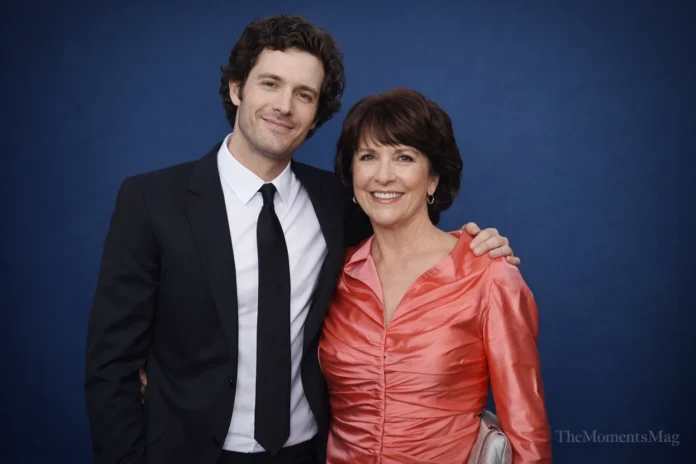
The internet is full of famous parents who become celebrities themselves. Valerie Siefman never followed that script. Her name appears in articles, interviews, and database entries because of her son, actor Adam Brody, yet the woman herself has remained almost entirely outside the public spotlight.

That quiet presence says a lot about her character. By most accounts, Valerie Siefman spent her adult life focused on creative work and family rather than publicity. She built a career as a graphic artist, raised a son who would later become one of television’s most recognizable faces, and maintained the kind of privacy that has become increasingly rare in modern celebrity culture.

People searching for her name often expect a dramatic Hollywood origin story. The truth is simpler and, in some ways, more interesting. Valerie Siefman represents the countless parents behind successful artists—people who shape talent, values, and confidence long before the cameras ever turn on.

Attribute Details
Full Name Valerie Jill Siefman
Date of Birth Exact date not publicly disclosed
Age Estimated mid-60s to early-70s (as of 2026)
Place of Birth Michigan, United States
Nationality American
Profession Graphic artist / designer
Famous For Mother of actor Adam Brody
Marital Status Married to Mark Alan Brody
Children 1 son – Adam Brody
Estimated Net Worth Estimated $500,000 – $1 million (as of 2026)


Early Life and Family Background

Valerie Jill Siefman was born in the United States and spent her early years in Michigan. While exact dates and records from her childhood are not widely available, public biographies connected to her son describe her upbringing as rooted in a Jewish family with Eastern European heritage.

Her family background traces to Jewish immigrants who arrived in America from Russia and Poland during the late nineteenth and early twentieth centuries. Like many families of that era, they carried forward traditions while adapting to American life. Cultural identity mattered, though it often appeared in everyday practices rather than strict religious observance.

Growing up in the Midwest during the 1950s and 1960s meant living through a period of enormous social change. Communities were expanding, education opportunities were broadening, and creative professions were gaining recognition. People who knew Siefman later described her as someone who had an early interest in visual art and design.

Artistic curiosity shaped many young Americans during that era. Advertising agencies, publishing companies, and emerging media businesses needed graphic designers. For someone drawn to visual communication, it offered both creative expression and a stable career path. Siefman eventually chose that direction, though details about her training or early professional work remain largely private.

Moving West and Building a Life in California

Sometime in her adult years, Valerie Siefman relocated from the Midwest to California. That move mirrored a broader trend of the late twentieth century, when thousands of Americans left traditional industrial regions and settled in the rapidly growing West Coast cities.

California offered opportunity and energy. San Diego, where Siefman would later live, was expanding quickly in the 1970s and 1980s. The region combined coastal lifestyle with thriving professional industries, attracting families seeking both career stability and quality of life.

During this chapter of her life, she met Mark Alan Brody, an attorney whose own background also traced to Michigan. Their shared Midwestern roots likely gave them common ground from the beginning. Friends and acquaintances later described the couple as thoughtful, family-oriented, and committed to building a stable home environment.

They eventually married and settled in the San Diego area. While Mark Brody worked in law, Valerie continued her career in graphic art and design. Together they formed a household that blended creativity with professional discipline.

Marriage to Mark Alan Brody

Marriage often shapes the direction of a person’s life, and Valerie Siefman’s partnership with Mark Brody created the foundation for their family story. Mark Brody built his career as a lawyer, working within the legal field while maintaining a relatively private personal life.

Their relationship was never part of Hollywood gossip columns or celebrity coverage. Instead, it resembled the lives of countless professional couples across America—balancing careers, raising children, and maintaining strong family ties.

The couple welcomed their son, Adam Jared Brody, on December 15, 1979. That moment would eventually connect Valerie Siefman’s name to the entertainment industry, though at the time it was simply the beginning of parenthood.

Raising a child in San Diego meant exposure to diverse communities, coastal culture, and strong educational opportunities. By all accounts, the Brody household valued independence and creativity while still emphasizing responsibility.

Raising Adam Brody in San Diego

Parenthood can shape a person’s legacy more than any professional achievement. For Valerie Siefman, raising Adam Brody became one of the defining chapters of her life.

Adam grew up in San Diego and attended local schools, including Wangenheim Middle School and later Scripps Ranch High School. Like many teenagers, he balanced school responsibilities with hobbies and interests that slowly hinted at his future career.

Family traditions reflected their Jewish heritage without being overly religious. Adam has spoken in interviews about having a bar mitzvah and celebrating Hanukkah, describing his upbringing as culturally Jewish rather than strictly observant.

Creative influence within the household likely played a role in his development. Having a mother who worked as a graphic artist meant that art, design, and visual storytelling were familiar parts of everyday life. Even if acting was not initially the plan, exposure to creativity can shape how young people see the world.

During his teenage years, Adam developed an interest in surfing, music, and eventually acting. Those interests would soon lead him away from San Diego and toward Los Angeles.

Adam Brody’s Rise and the Family Connection

When Adam Brody moved to Los Angeles in the late 1990s to pursue acting, he joined thousands of hopeful performers trying to break into Hollywood. Success rarely arrives quickly in that industry, and the early years involved small roles and auditions.

Everything changed in 2003 when he was cast as Seth Cohen in the television series The O.C. The show became a cultural phenomenon almost immediately. Adam’s character—smart, sarcastic, and emotionally open—quickly gained a devoted following.

Suddenly the quiet family from San Diego had a connection to one of television’s biggest hits. Media attention naturally expanded to include questions about Adam’s background and upbringing. That curiosity introduced Valerie Siefman’s name to the public, even though she remained outside the entertainment world herself.

Despite the fame surrounding her son, Siefman maintained a private lifestyle. She rarely appeared in interviews, public events, or media stories. Her approach reflected a clear preference: support from behind the scenes rather than participate in celebrity culture.

Career as a Graphic Artist

Graphic design may not always attract the same public attention as film or television, but it remains one of the most influential creative professions. Designers shape visual communication across advertising, publishing, branding, and digital media.

Valerie Siefman worked in this field for many years. While detailed records of her projects are not widely available, multiple biographical sources consistently describe her profession as graphic artist or graphic designer.

That career required a combination of creativity and precision. Designers translate ideas into visual form, balancing color, typography, layout, and imagery. Their work often appears in magazines, advertisements, corporate branding, and promotional materials.

The profession demands both artistic instinct and technical skill. Many designers of Siefman’s generation worked with traditional tools long before digital software became dominant. Layout boards, photography, and manual illustration were common parts of the job.

Working in such an environment likely encouraged patience and attention to detail. Those qualities often carry over into family life as well, shaping how parents approach creativity, problem-solving, and encouragement.

Personal Life and Family Relationships

While Valerie Siefman’s public profile remains limited, her family connections continue to attract attention due to Adam Brody’s career. In 2014, Adam married actress Leighton Meester, known for her role in the television series Gossip Girl.

The marriage created one of Hollywood’s most low-key celebrity families. Both actors have consistently avoided excessive media exposure for their personal lives. They rarely share photos of their children publicly and often emphasize privacy during interviews.

For Valerie Siefman, that approach likely feels familiar. Her son and daughter-in-law appear to follow a similar philosophy regarding fame and personal boundaries.

Adam and Leighton have two children together, making Valerie Siefman a grandmother. Family life now stretches across generations, connecting her Midwestern roots to a new generation growing up in California.

Financial Standing and Net Worth in 2026

Estimating the financial status of private individuals can be difficult because many details remain undisclosed. Valerie Siefman’s career as a graphic artist likely provided stable income over several decades, though it did not place her in the celebrity wealth category.

Most estimates place her personal net worth between $500,000 and $1 million as of 2026. These estimates are based on career earnings, shared family assets, and long-term professional work rather than high-profile investments or entertainment contracts.

Her son’s financial success, however, has been widely reported. Adam Brody’s net worth is estimated to be around $14 million, built through television roles, film projects, and production work.

Despite the financial difference between professions, the family dynamic appears grounded. Wealth has not dramatically changed their preference for privacy and stability.

Recent Attention and Renewed Public Interest

Interest in Valerie Siefman increased again in 2024 and 2025 as Adam Brody returned to major television prominence. His starring role in the Netflix romantic comedy series Nobody Wants This introduced him to a new generation of viewers.

The series became one of Netflix’s most watched comedy programs of the year. Within weeks of its release, it climbed into the platform’s global top-ten charts and accumulated tens of millions of viewing hours.

Award recognition soon followed. Adam Brody earned nominations at major ceremonies including the Golden Globes and the Emmy Awards, along with a Critics Choice Award win.

Whenever an actor experiences a career resurgence, curiosity about their background naturally follows. That renewed interest brought Valerie Siefman’s name back into search engines and entertainment discussions.

Lesser-Known Details About Valerie Siefman

Many people searching for Valerie Siefman expect dramatic revelations about her life. What they often discover instead is a portrait defined by quiet consistency.

One detail that surprises many readers involves the family’s Midwestern roots. Even though Adam Brody became associated with Southern California culture, both of his parents originally came from Michigan families.

Another interesting point involves artistic influence within the household. Having a parent working in visual design exposed Adam to creative thinking from an early age, even though acting was not immediately part of the plan.

The Brody family also maintained a relatively secular approach to Judaism. Cultural traditions remained important, though religious practice was not particularly strict.

Perhaps the most striking detail is simply how little personal publicity Valerie Siefman has pursued. In an era where many relatives of celebrities build social media followings or public brands, she has consistently avoided that path.

Frequently Asked Questions

Who is Valerie Siefman?

Valerie Siefman is an American graphic artist best known as the mother of actor Adam Brody. She spent most of her life outside the entertainment industry, working in design and raising her family in San Diego, California. Her name appears in public records mainly through her son’s film and television biography.

Where was Valerie Siefman born?

Public sources identify Michigan as her birthplace. Her family background connects to Jewish immigrant communities that settled in the Midwest during the early twentieth century. Later in life she moved to California, where she built her career and raised her family.

What does Valerie Siefman do for a living?

She worked professionally as a graphic artist or graphic designer. That career involved visual communication through design, layout, and illustration. While specific projects remain largely private, the profession typically includes work for advertising agencies, publishers, and corporate clients.

Is Valerie Siefman famous?

Valerie Siefman is not a celebrity in her own right. Her public recognition comes from her connection to actor Adam Brody, who rose to fame through the television series The O.C. and later film and television projects.

Does Valerie Siefman appear in public with her son?

Very rarely. She has generally avoided media attention and public events related to Hollywood. Her approach reflects a long-standing preference for privacy despite her son’s fame.

Also Read: Georgia Postecoglou: Life, Family, and Biography

Conclusion

The story of Valerie Siefman is quieter than many biographies found online, yet it carries its own kind of importance. She represents the many creative professionals who contribute to culture without standing in the spotlight themselves.

Her life connects Midwestern heritage, artistic work, and family dedication. That combination shaped the environment in which Adam Brody grew up, long before television audiences recognized his name.

What stands out most is the consistency of her choices. Valerie Siefman built a career, raised a family, and remained largely private even as public curiosity grew around her son’s success.

That approach may explain why people keep searching for her story. In a world filled with constant exposure, a life lived quietly still has the power to intrigue.

Taelyn Dobson Biography: Carter Family Connection Explained

0
taelyn dobson

The name Taelyn Dobson tends to surface whenever curiosity about the Carter family spikes. Search engines light up after documentaries, interviews, or tragic headlines tied to Nick Carter, Aaron Carter, or their siblings. People start mapping the family tree, and Dobson’s name appears along the edges of that picture. What they usually find is a strange contradiction: a person connected to one of pop music’s most recognizable families who has never tried to build a public identity around it.

That quiet presence has fueled years of curiosity. Unlike many relatives of famous performers, Dobson never stepped into reality television, celebrity interviews, or social media branding. Her name exists in articles mainly as a reference point within the extended Carter family. That absence from the spotlight is unusual enough to make people wonder who she is and what her life actually looks like beyond internet speculation.

The truth is simpler than many readers expect. The verified public record about Taelyn Dobson is limited, and much of what circulates online blends assumption with fact. Yet within those few confirmed details lies a story about family ties, privacy, and the complicated orbit around celebrity culture.

Attribute Details
Full Name Taelyn Dobson
Date of Birth Not publicly confirmed
Age Not publicly confirmed (as of 2026)
Place of Birth United States (exact location not publicly confirmed)
Nationality American
Profession Private citizen
Famous For Being associated with the Carter family as a stepsister of Nick Carter and Aaron Carter
Marital Status Not publicly confirmed
Children Not publicly confirmed
Estimated Net Worth Not publicly confirmed (as of 2026)

Early Life and Family Background

Information about Taelyn Dobson’s childhood remains scarce in verified sources. Most of what can be confirmed comes through references to the Carter family structure rather than independent reporting about her early years. Public descriptions typically identify her as a stepsister connected to Nick Carter and Aaron Carter, placing her within the broader extended Carter household.

Nick Carter rose to international fame during the 1990s as a member of the Backstreet Boys. The group sold tens of millions of records and became one of the defining pop acts of the decade. Aaron Carter, Nick’s younger brother, followed with his own pop career as a teenager and achieved chart success before his life became increasingly troubled in the public eye.

Growing up adjacent to a family with that level of attention creates an unusual environment. The Carter household experienced fame, media pressure, financial shifts, and personal struggles that eventually became widely reported. For someone like Dobson, whose life appears to have remained largely private, those circumstances likely shaped the decision to keep personal matters away from cameras and headlines.

Family dynamics inside the Carter circle have long been complex. The siblings included Nick, Aaron, Leslie Carter, Bobbie Jean Carter, and Angel Carter Conrad. Their parents, Jane and Robert Gene “Bob” Carter, were frequently referenced in stories about the family’s rise in the entertainment industry. Over time the family expanded through remarriages and step-relations, which is where Dobson’s connection appears in public references.

The Carter Family in the Public Eye

To understand why people search for Taelyn Dobson, you have to understand how widely the Carter name spread in popular culture. Nick Carter joined the Backstreet Boys in 1993 when he was just thirteen years old. The band’s global popularity exploded by the late 1990s, producing massive tours and albums that defined the era’s pop music scene.

Aaron Carter stepped into the spotlight soon afterward. His 1997 debut album launched a teenage pop career that included hit singles and appearances on television shows. Young audiences watched him grow up in front of cameras, which meant his personal struggles later became public conversations as well.

The Carter family story grew heavier over time. Leslie Carter died in 2012 at age 25. Their father, Bob Carter, died in May 2017. Aaron Carter’s death in November 2022 shocked fans who had followed his career since childhood. Then in December 2023, sister Bobbie Jean Carter also died at the age of 41.

Those losses reshaped public interest in the family. Interviews with Angel Carter Conrad and media coverage about the documentary The Carters: Hurts to Love You brought renewed attention to the family’s history. With that attention came new curiosity about every branch of the family tree, including relatives who had remained outside the spotlight.

Taelyn Dobson’s name often appears during those moments of renewed attention. Yet her presence remains mostly in the background of the story rather than at its center.

A Life Largely Outside the Spotlight

What stands out about Taelyn Dobson is how little she appears in celebrity media. In the age of social platforms and influencer culture, relatives of famous performers often build their own public careers. Some appear in reality television shows. Others launch podcasts, brands, or public speaking careers connected to their family history.

Dobson seems to have chosen a different path. By all available accounts, she has lived as a private citizen rather than a public personality. There are no widely documented interviews, television appearances, or major public ventures attached to her name.

Privacy can be difficult to maintain when a family name carries global recognition. Every documentary release, legal dispute, or reunion rumor surrounding the Carter family tends to spark another round of searches for relatives. That pattern explains why Dobson’s name continues to circulate even without a visible public career.

Anyone familiar with celebrity families knows how unusual that choice can be. Remaining out of the spotlight often requires deliberate distance from the media ecosystem surrounding famous relatives.

Personal Relationships and Family Connections

Publicly confirmed details about Taelyn Dobson’s personal relationships remain extremely limited. Unlike members of the Carter family who appeared frequently in interviews or entertainment coverage, she has never shared personal information through widely documented media channels.

Some online sources claim specific marital details or family information. However, those claims rarely cite primary interviews or official records. Without reliable confirmation, most responsible reporting treats those details cautiously.

What can be said with confidence is that Dobson is frequently described as a stepsister within the Carter family structure. That relationship places her in a family network that has experienced both enormous success and intense personal tragedy.

Family connections carry emotional weight even when someone avoids public attention. Anyone close to the Carter family would have witnessed the highs of pop stardom and the heartbreak that followed in later years. That proximity alone explains why her name occasionally appears during moments of public reflection about the family’s story.

Financial Standing and Public Visibility

The internet often tries to estimate wealth for anyone associated with a famous surname. Pages discussing Taelyn Dobson sometimes claim exact net worth figures or career descriptions. Yet those figures typically appear without credible documentation or financial records.

Unlike performers, business owners, or public executives, Dobson has never attached her name to a widely reported professional career. Without verified professional roles, financial filings, or interviews discussing business ventures, any specific net worth estimate should be treated as speculation.

Nick Carter’s financial success, on the other hand, is well documented through decades of touring and recording with the Backstreet Boys. The group remains active in the 2020s and continues to sell out large venues around the world. That success often causes readers to assume financial similarities across extended family members, even though there is no evidence to support that assumption.

What’s surprising is how persistent those assumptions become once they enter online content. A claim posted on one website can quickly spread across dozens of others, creating the illusion of established fact.

The Reality of Internet Fame by Association

The modern internet has created a strange category of public visibility. A person can become widely searched even without any personal public platform. Taelyn Dobson fits into that category.

Search interest tends to spike around major Carter family news events. Fans researching Nick Carter’s career or Aaron Carter’s life often encounter the broader family tree. That curiosity naturally leads them to names that appear in extended family references.

But here’s the thing. Being searchable does not mean someone has chosen a public life. It simply means public curiosity has attached itself to a name.

For someone like Dobson, that attention likely feels distant rather than participatory. Her life appears to exist largely outside the celebrity machinery that surrounds her relatives.

Lesser-Known Details About Taelyn Dobson

Several small details help paint a picture of why Dobson’s story intrigues readers even with limited public information. One is the simple fact that she has never pursued entertainment work connected to the Carter name. In a culture where fame can easily translate into business opportunities, that restraint stands out.

Another interesting point involves the nature of step-family relationships inside celebrity households. When parents remarry or families blend, step-siblings often grow up around the same public environment even if they do not share identical experiences in the spotlight.

There is also the question of timing. Dobson’s association with the Carter family happened during a period when the family’s fame was already established. That difference means her experience likely differed from siblings who grew up during the earliest years of media attention.

A final observation relates to privacy itself. Remaining outside public narratives requires consistent effort in the digital age. Every social platform, interview request, and media inquiry offers another chance to step into public conversation. Dobson’s absence from those spaces suggests a clear choice to maintain personal boundaries.

Life in Recent Years

As of 2026, there are no widely reported public projects or professional ventures attached to Taelyn Dobson. She continues to be referenced primarily through discussions about the Carter family’s extended network.

Public attention on the Carter story has increased again in recent years due to documentaries and interviews reflecting on the family’s history. Angel Carter Conrad has spoken openly about the losses the family experienced and the emotional toll of growing up in the spotlight.

Those conversations inevitably lead curious readers back to the family tree. Dobson’s name appears during that process, even though she has not participated in the public discussion herself.

In a way, her absence has become part of the story. While other relatives share memories and perspectives through media appearances, Dobson appears to maintain a life away from those conversations.

Also Read: Charlene Gail Heffner Biography: Doris Duke’s Adopted Daughter

Conclusion

Taelyn Dobson occupies a rare position in modern celebrity culture. She is connected to a globally recognized family yet remains largely absent from the spotlight that surrounds it. That distance makes her name intriguing to curious readers trying to piece together the Carter family story.

Much of the online information about her blends speculation with fact. Reliable reporting reveals only a few clear points: she is associated with the Carter family through a step-sibling relationship, she has never built a public entertainment career, and she appears to value privacy.

That restraint stands out in a media environment where even distant relatives of famous performers often turn visibility into opportunity. Dobson seems to have chosen a quieter path, one defined more by personal boundaries than by public recognition.

The truth is that not every person connected to fame wants to participate in it. Taelyn Dobson’s story reminds readers that behind every famous family there are individuals who prefer ordinary lives, even when curiosity about them never fully fades.

How Hiring a Plumber in Miami Transforms Your Plumbing Woes?

0

From leaky faucets to blocked drains, plumbing issues can disrupt the comfort of your Miami home. The subtropical climate of the region adds unique challenges to maintaining plumbing systems, with humidity and saltwater corrosion affecting pipes and fixtures. Seeking professional assistance can turn these headaches into manageable tasks, ensuring your plumbing system remains robust and efficient.

Professional plumbers bring expertise and the right tools to handle a multitude of plumbing problems, saving Miami residents from the hassles and risks of DIY repairs. Below, we explore how hiring a skilled plumber can transform your household’s plumbing woes into functional systems and peace of mind.

Expert Plumbers in Miami: Solving Common Household Plumbing Issues

plumber Miami Miami’s seasoned plumbers are well-accustomed to the frequent plumbing issues households face, from clogged toilets to the effects of hard water on pipes. Their specialized knowledge is vital for diagnosing problems that may not be immediately apparent to the untrained eye.

Due to Miami’s high mineral content water, for example, residents may face accelerated pipe degradation, leading to leaks and water damage. An expert plumber can offer solutions such as water softener installation to combat these effects. Additionally, they’re equipped to tackle emergencies swiftly, mitigating potential damage to your home.

When facing typical plumbing dilemmas, homeowners should seek professionals who can not only resolve the current issue but also provide guidance on preventing future problems. Skilled plumbers can offer tips on maintenance that help avoid costly repairs down the line.

Quick and Efficient Plumbing Solutions: The Miami Advantage

Miami’s professional plumbers are renowned for their responsive and efficient service, minimizing the inconvenience caused by plumbing disruptions. High-quality service is particularly crucial in an emergency, where time is of the essence to prevent water damage or other complications.

A swift response is complemented by the use of advanced tools and technology, which allows Miami plumbers to quickly identify and rectify issues. Advanced techniques such as video pipe inspection equip them to handle complex problems without invasive procedures. This translates to less disruption for households and more accurate repairs.

Residents should opt for local plumbers with a reputation for prompt and reliable service, considering both online reviews and testimonials. Ensuring that your chosen professional values timeliness and uses contemporary methods will benefit your home in the long term.

Enhancing Home Safety with Professional Plumbing Services

Miami residents often underestimate the dangers associated with compromised plumbing systems. However, issues like gas leaks or improperly installed water heaters can pose a threat to household safety. Employing professional plumbers safeguards your home against these risks.

Gas line repairs, for example, are a critical service that only certified professionals should undertake to ensure safety. Plumbing experts in Miami adhere to strict codes and regulations, providing peace of mind to homeowners. These regulations are in place to avoid dangerous mishaps and ensure that repairs and installations are conducted safely and effectively.

It’s crucial to engage with plumbers who have a strong safety record and who can validate their certifications. By doing so, you ensure that the integrity of your home’s plumbing is upheld and that your family’s well-being is not compromised due to substandard work.

Investing in Professional Plumbing: Long-term Benefits for Miami Residents

Choosing professional plumbing services in Miami can have lasting impacts on a home’s value and the longevity of its plumbing system. Well-maintained plumbing systems are less likely to suffer from catastrophic failures that can be costly to repair and potentially devalue a property.

A reliable plumbing service not only fixes immediate problems but can also offer preventative maintenance plans. These plans involve regular check-ups which can catch issues before they develop into major problems, essentially saving homeowners money by preventing expensive emergencies.

Investing in these services means investing in the comfort and durability of your home. Homeowners in Miami should consider the long-term benefits of professional plumbing services as part of their routine home maintenance budget, to ensure smooth and efficient operation of their water systems for years to come.

In conclusion, hiring a skilled plumber in Miami is more than just a quick fix for emergencies—it’s a wise investment in your home’s functionality and value. With their expertise in handling the unique challenges of Miami’s plumbing systems, professional plumbers provide quick, effective solutions, ensure the safety of your household, and offer maintenance that can prevent future problems. Miami residents stand to benefit significantly from fostering a relationship with a reliable plumbing service that can maintain and enhance their home’s plumbing infrastructure.

Also Read: Georgia Postecoglou: Life, Family, and Biography

Georgia Postecoglou: Life, Family, and Biography

0
georgia postecoglou
On the night Tottenham Hotspur lifted the UEFA Europa League trophy in Bilbao in May 2025, television cameras captured a scene that felt unusually intimate for modern football. Ange Postecoglou stood in the middle of a celebration nearly two decades in the making for Spurs supporters, and within minutes he embraced his wife Georgia and their children on the pitch. The images traveled quickly across sports networks and social media feeds around the world. Supporters saw a manager who had weathered months of criticism, yet what lingered in those photos was the quiet presence of the family that had stood beside him through every move, every dismissal rumor, and every triumph.

Georgia Postecoglou has rarely sought the spotlight. Anyone who follows the career of her husband will notice that she does not grant interviews or cultivate a public profile the way many partners of sports celebrities do. Still, curiosity has grown as Ange’s coaching reputation expanded from Australia to Japan, then to Scotland, and eventually to the English Premier League. Fans want to know who she is, where she came from, and what role she has played behind the scenes of a football life that has crossed continents.

The truth is simpler and more human than the internet’s endless speculation. Georgia Postecoglou appears to be a private professional who spent part of her early career working in football administration and marketing in Melbourne. Over time she built a family with a man whose work demanded frequent relocation and intense public scrutiny. By all accounts, her life tells a story familiar to many partners of high-profile figures: steady support, strong privacy, and a deep understanding of the unpredictable rhythm of professional sport.

Early Life and Family Background

Georgia Postecoglou was born and raised in Australia, though specific public records about her childhood remain scarce. Most biographical information about her surfaces only through references connected to her husband’s career or through brief mentions in football reporting. That absence does not suggest mystery so much as deliberate privacy, something many Australians value when family life intersects with public work.

Friends and colleagues who have spoken indirectly about the couple describe Georgia as someone who grew up around a strong sense of community. Melbourne, particularly in the late twentieth century, was home to a vibrant multicultural population where football clubs often doubled as social hubs. Neighborhood teams were not just sports organizations; they were meeting places for families whose roots stretched across Europe, Asia, and the Mediterranean. It is in this environment that Georgia would eventually meet Ange Postecoglou.

Anyone who understands Australian football culture knows how tightly communities cluster around their clubs. Supporters volunteer, families attend weekend matches together, and administrative staff frequently become familiar faces to fans. The environment is close-knit and often deeply personal. Growing up and working within that atmosphere likely shaped Georgia’s comfort with football long before it became a global profession for her husband.

Although little is publicly documented about her schooling or childhood neighborhood, the broader context of Melbourne’s sporting culture helps explain her familiarity with the game’s inner workings. Football was never just a weekend pastime in that city. It was part of everyday life for thousands of families who treated local clubs as second homes.

Meeting Ange Postecoglou in Melbourne

Georgia’s path crossed with Ange Postecoglou during his years at South Melbourne FC, a club that occupies a special place in Australian football history. Ange had been a defender for South Melbourne during the 1980s and early 1990s before transitioning into coaching. In 1996 he became the club’s head coach and led it to major success in the National Soccer League.

During that period Georgia worked in marketing for the club. Football organizations rely heavily on marketing staff to promote matches, build relationships with sponsors, and maintain connections with the community. Her role meant she operated within the daily life of the club, coordinating events and outreach that kept supporters engaged.

Not many people know this, but the late 1990s were a turbulent time for Australian football. Clubs faced financial pressure, and administrators had to be resourceful to keep stadium seats filled and sponsors satisfied. Anyone working in marketing at a club like South Melbourne needed resilience and creativity. Georgia’s involvement in that environment suggests she understood the business side of the sport long before Ange’s career expanded internationally.

Their relationship developed quietly within that shared football world. By the time Ange was establishing himself as one of Australia’s promising young coaches, Georgia had become a central figure in his personal life. They eventually married and began building a family together, setting the foundation for a partnership that would endure constant professional change.

Family Life and Raising Children

Georgia and Ange Postecoglou have two sons, though the family has kept most details about them private. The boys spent much of their childhood moving between cities and countries as Ange’s coaching career evolved. Families in professional sport often learn to adapt quickly, and the Postecoglous were no exception.

Relocation became a regular part of life. Ange coached Brisbane Roar in Australia, then the national team, followed by clubs in Japan and Scotland before arriving in England. Each move meant a new home, new schools for the children, and a fresh set of cultural adjustments. For families, those changes can be as demanding as the work itself.

Anyone who knew the family during those years would likely say that Georgia served as the stabilizing force. While Ange handled the tactical battles and press conferences, she maintained continuity for the household. That meant organizing family life in unfamiliar cities and helping the children navigate the disruptions that accompany international sport.

Friends close to the family have often described their relationship as grounded despite the chaos of professional football. The Postecoglous have rarely invited media attention into their private routines, preferring to keep celebrations and setbacks within a tight circle of relatives and friends.

Supporting a Global Coaching Career

Ange Postecoglou’s coaching journey has been anything but predictable. After early success in Australia, he moved into international management with the Socceroos, guiding the national team to the 2014 FIFA World Cup in Brazil. Later he accepted a role with Yokohama F. Marinos in Japan’s J-League, where his attacking philosophy transformed the club and led to a league title in 2019.

Throughout those years Georgia remained largely out of public view, yet her presence shaped the rhythm of family life behind the scenes. Partners of international coaches often carry the responsibility of managing everyday stability while the professional focus remains on results and strategy. Moving between cultures can be challenging for any family, and Japan presented a particularly dramatic shift in language and lifestyle.

The family’s next relocation came in 2021 when Ange joined Celtic in Scotland. His tenure there produced immediate success, including multiple domestic trophies and an exhilarating style of play that thrilled supporters. Media coverage of Celtic’s resurgence frequently included glimpses of his family celebrating victories or supporting him during key moments.

That stage of Ange’s career introduced the Postecoglou name to a wider European audience. Suddenly the family was part of a football conversation that stretched across the continent. Georgia’s role remained the same, however: maintaining a grounded home life while her husband navigated the pressures of elite competition.

Life in London During the Tottenham Era

In June 2023 Tottenham Hotspur announced Ange Postecoglou as the club’s new head coach. The appointment made him the first Australian manager in Premier League history. London’s football media immediately took interest in the man who had revived Celtic’s fortunes and was now tasked with reshaping Spurs after a turbulent period.

Moving to London represented another major transition for the family. The Premier League’s spotlight is far more intense than the leagues in which Ange had previously worked. Every press conference receives global attention, and every defeat becomes a topic for television panels and podcasts.

Despite that heightened visibility, Georgia maintained the same low-key presence she had shown throughout the earlier stages of their life together. She occasionally appeared alongside Ange at club events or family celebrations following major matches, yet she never attempted to build a public persona around the attention.

The most memorable public moment came after Tottenham’s Europa League victory in 2025. Cameras captured the Postecoglou family celebrating on the pitch, and supporters quickly shared those images across social media. For many fans, the moment humanized a manager who had endured months of criticism during the season.

Financial Standing and Net Worth in 2026

Because Georgia Postecoglou keeps a private life, estimates of her personal wealth are tied closely to her husband’s career earnings. Football managers at the top levels of European competition command significant salaries, and Ange’s contracts at Celtic and Tottenham reflected that status.

Reports from sports business outlets suggested that Ange earned several million pounds annually during his time in the Premier League. Combined with earlier earnings from his coaching career, the Postecoglou family likely accumulated considerable financial security. Exact figures remain speculative because the couple has never publicly discussed their finances.

What can be said with confidence is that their financial standing stems from decades of work in professional football rather than from endorsements or public branding. Unlike many celebrity families who monetize visibility, the Postecoglous have kept commercial ventures largely separate from their personal lives.

That choice fits the pattern seen throughout Georgia’s biography. Privacy and stability appear to have taken priority over publicity or financial exposure.

Lesser-Known Details About Georgia Postecoglou

People who follow Ange’s career closely often notice that he references family values when discussing leadership. Those ideas did not appear out of nowhere. Georgia’s presence within the family likely helped shape the environment in which those beliefs developed. Coaching philosophies frequently mirror personal experiences, and Ange has spoken openly about how family life informs his approach to mentoring players.

Another lesser-known detail concerns the couple’s connection to Melbourne’s Greek community. Ange’s parents emigrated from Greece to Australia, and the cultural traditions of that heritage have remained important to the family. Georgia embraced that community network early in their relationship, which strengthened the couple’s ties to friends and supporters who had known Ange since childhood.

What’s surprising is how consistently the family has avoided turning those cultural ties into public storytelling. Many high-profile figures build narratives around heritage and background, yet the Postecoglous have rarely done so outside occasional references in interviews. Their focus has remained on the work rather than the mythology around it.

One more small detail helps illustrate Georgia’s influence. During Ange’s time at Celtic, players often commented on the welcoming environment around the manager’s family. Football dressing rooms can feel transient and impersonal, yet several players described the atmosphere around the Postecoglous as warm and supportive. That kind of environment does not appear by accident.

Frequently Asked Questions

Who is Georgia Postecoglou?

Georgia Postecoglou is an Australian marketing professional best known as the wife of football manager Ange Postecoglou. She first became connected to the sport through her work with South Melbourne FC in the 1990s. Over the years she has remained largely private while supporting her husband’s international coaching career.

How did Georgia Postecoglou meet Ange Postecoglou?

The couple met during Ange’s time at South Melbourne FC, where Georgia worked in marketing. Their relationship developed within the club’s close-knit football community in Melbourne. That shared environment laid the foundation for their marriage and family life.

Do Georgia and Ange Postecoglou have children?

Yes, they have two sons. The family has chosen to keep most details about their children out of the public eye. The boys grew up experiencing the international travel and relocation that comes with a global coaching career.

What does Georgia Postecoglou do professionally?

Georgia previously worked in marketing at South Melbourne FC during the early years of Ange’s coaching career. Since then she has kept her professional life largely private. Public information about her career outside that role remains limited.

Why is Georgia Postecoglou rarely in the media?

Georgia appears to value privacy and rarely seeks publicity. Even during Ange’s high-profile roles at Celtic and Tottenham, she stayed mostly out of interviews and media appearances. Her presence is usually limited to family moments connected to major football events.

Also Read: Christina Erika Carandini Lee: Life, Family & Biography

Conclusion

Georgia Postecoglou’s biography does not read like the typical story attached to a global sports figure. She has not built a public brand or pursued attention in the way many partners of famous personalities do. Instead, her life reflects a quieter path built around family, professional experience in football administration, and decades of support for a demanding career.

Watching the arc of Ange Postecoglou’s journey helps reveal the importance of that role. From Melbourne to Japan, Scotland, and England, the family has moved through cultures and competitions that test even the most resilient households. Throughout that journey Georgia remained the constant presence beside him.

The truth is that biographies often focus on the person standing in the spotlight. Yet anyone who understands football knows that success rarely belongs to one individual alone. Behind every coach facing a stadium full of supporters stands a network of family members who absorb the pressure and celebrate the victories.

Georgia Postecoglou may never become a public figure in her own right, and that seems to suit her perfectly. Her story is woven into the career of one of football’s most recognizable managers, yet it remains grounded in the quiet realities of marriage, parenthood, and a life lived mostly beyond the cameras.

The Case for PASCAL Gold Diamond Watches as a Woman’s Everyday Luxury

0

Luxury is one of those words that has been stretched to cover too many things. In watch advertising, it tends to mean brand prestige, precious metal, or stone count — often all three simultaneously, applied to pieces that spend most of their lives in a box. The definition that actually matters for daily wear is different: a piece that’s good enough to want to put on every morning and durable enough to handle what that morning involves.

Women’s diamond watches sit at an interesting intersection. The category has historically leaned toward occasion wear — pieces too delicate or too ornate for practical daily use. The more useful question is whether a diamond watch can be a daily piece first and a luxury signal second. When the answer is yes, the piece tends to stay on the wrist rather than in a drawer.

Why Diamond Placement Matters More Than Carat Count

The most common mistake in women’s diamond watches is prioritizing total carat weight over placement logic. A full pavĂ© dial with 2 ct of small stones looks impressive in marketing photography. In practice, the hands become hard to distinguish from the background sparkle, the dial loses legibility, and the piece becomes function-impaired in its primary purpose: telling time.

PASCAL’s approach to PASCAL gold diamond watch women puts legibility first. Diamonds appear at the bezel perimeter, at selected hour marker positions, or at the crown — placed where they catch light and contribute to the design without consuming the dial face. The result is a watch where you can read the time without effort and appreciate the stones in the same glance.

Gold Tone vs. Silver Tone — Making the Right Choice for Your Skin

Skin undertone is the most reliable guide for metal tone decisions: warm undertones (yellow, peachy, olive) generally work better with yellow gold; cool undertones (pink, bluish) lean toward silver and white gold. Neutral undertones have flexibility in both directions.

PASCAL offers women’s diamond watches in both gold-tone and silver-tone stainless steel finishes, using IP coating technology for durability. One practical advantage of gold-tone stainless over solid 18k gold that’s often overlooked: weight. 18k gold is significantly denser than stainless steel. For daily wear, particularly for smaller wrists or all-day wear, the stainless option sits more comfortably without sacrificing the visual warmth of gold tone.

Lab-Grown Diamonds at the Quality Grades That Actually Matter

PASCAL grades their lab-grown diamonds to D-F color and VVS-VS clarity. These standards sit at the top of the quality range regardless of origin. D-F means colorless to near-colorless — no yellow or brown tint visible to the naked eye. VVS-VS means very slight to slight inclusions that require 10x magnification to identify. Both specifications translate directly to visual performance: in natural light, in photographs, in the kind of casual examination a watch gets when someone notices it on your wrist.

The distinction between lab-grown and mined diamonds is about production, not optical quality. Lab-grown produces the same carbon crystal structure under controlled conditions. What changes is the story, the supply chain, and the price point — not the visual or physical properties of the stone.

The Everyday Luxury Standard

A watch that lives in a box for special occasions is a failed luxury purchase. It’s fulfilling neither its function (time-telling) nor its expressive role (daily self-presentation). The pieces that justify their cost are the ones you reach for consistently, wear through the actual variety of your day, and maintain without excessive anxiety.

PASCAL builds their women’s diamond watches to this standard: 3 ATM water resistance (handwashing and light rain without concern), Swiss quartz movements, stainless steel cases that handle physical contact, interchangeable straps on select models. The daily piece first, the luxury signal second — in that order, deliberately.