

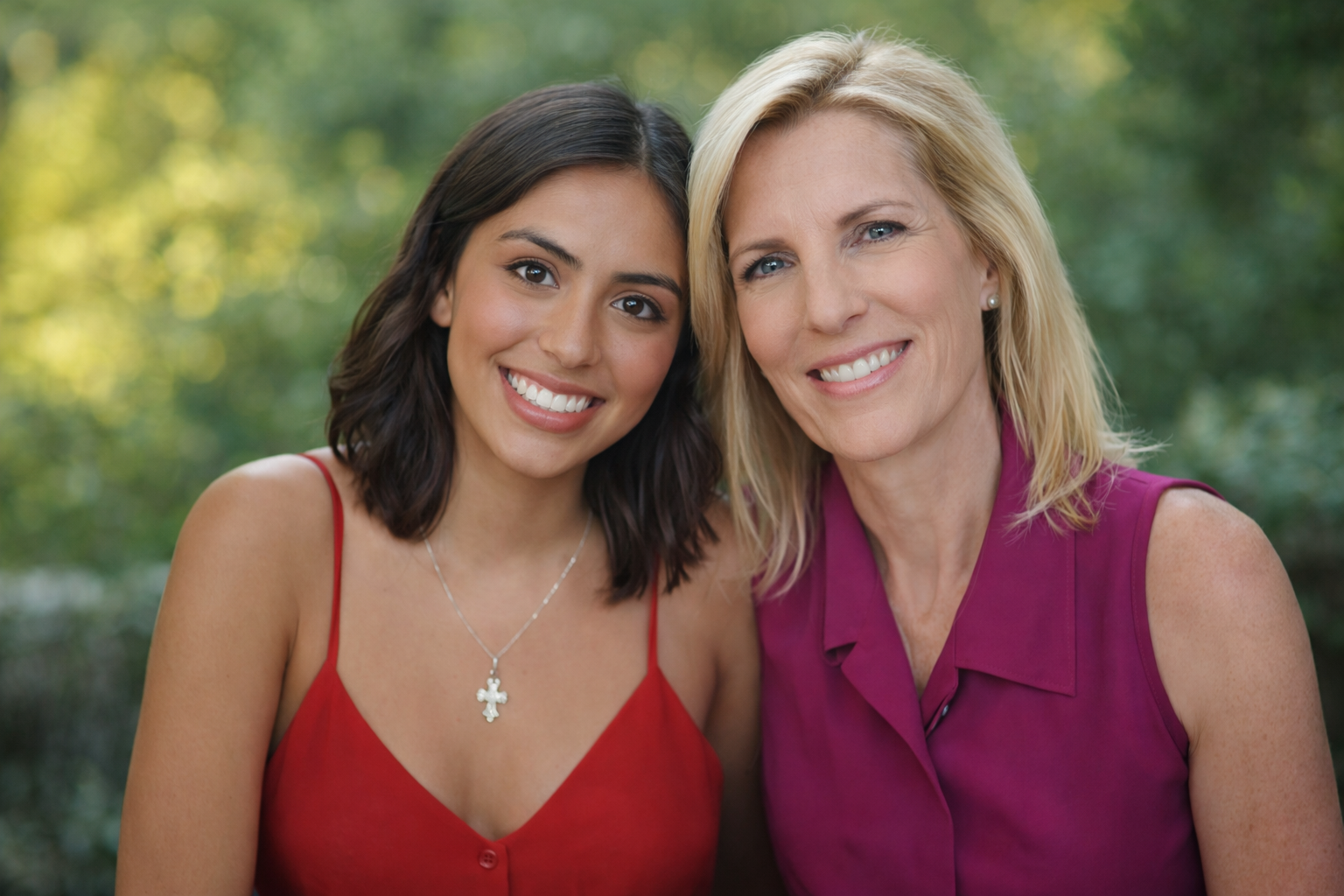
Public curiosity has a way of settling around names connected to fame, even when the person behind the name has never sought the spotlight. Maria Caroline Ingraham belongs to that quiet category. She is known primarily through family ties rather than personal ambition or public work, yet her name continues to surface in online searches, media captions, and biographical side notes. That attention says less about her individual choices and more about how modern fame radiates outward, touching even those who remain largely private.
This biography-style profile focuses on what is responsibly known about Maria Caroline Ingraham, the context in which she grew up, and the broader cultural forces that shaped public interest in her life. It avoids speculation and rumor, choosing instead to place her story within verifiable facts and thoughtful context.
Early Life and Adoption
Maria Caroline Ingraham was born in Guatemala and came to the United States through international adoption in 2008. She was adopted as a young child by Laura Ingraham, a nationally recognized television and radio personality. At the time, Laura Ingraham publicly shared that the adoption marked a deeply personal milestone, one that reshaped her life beyond professional achievements.
Her arrival in the United States occurred during a significant moment in international adoption history. In the early 2000s, Guatemala was one of the most common countries of origin for children adopted by American families. By the end of that decade, regulatory changes and international scrutiny dramatically reduced those adoption pathways. Maria Caroline Ingraham’s adoption therefore sits at the intersection of a closing chapter in global adoption practices and the beginning of a new family life in the United States.
Growing Up in a High-Profile Household
Although Maria Caroline Ingraham’s mother is a public figure, her childhood was not conducted in public view. Unlike many children of well-known media personalities, she was not regularly featured on social platforms or introduced as part of a public brand. Instead, her upbringing appears to have emphasized normalcy and personal boundaries.
Living in a high-profile household inevitably brings certain exposures. Media attention can appear unexpectedly, particularly at public events where cameras are present. Still, these moments were rare and largely incidental. They did not translate into interviews, statements, or a public-facing identity of her own. That restraint reflects a broader choice to keep family life separate from professional life, even when the surrounding environment makes such separation difficult.
Education and Personal Development
Details about Maria Caroline Ingraham’s education have not been publicly documented in any authoritative way. This absence is notable in itself. In an era when the academic paths of celebrity children are often tracked and discussed, the lack of such information suggests a deliberate effort to protect her privacy.
What can be reasonably inferred is that she grew up with access to educational opportunities and cultural resources that come with a stable family environment. Beyond that, any claims about specific schools, fields of study, or career ambitions would cross from biography into speculation. Respecting that boundary is essential to maintaining accuracy and fairness.
Identity and Cultural Roots
International adoption often brings with it complex questions of identity, belonging, and cultural connection. For adoptees from Guatemala, these questions can include language, heritage, and an understanding of origins shaped by limited early memories. While Maria Caroline Ingraham has not spoken publicly about these experiences, they form an important part of the broader context surrounding her life.
Adopted children frequently navigate a dual sense of identity, balancing the culture of their birth country with that of their adoptive family. This process unfolds over years and often privately. The absence of public commentary does not indicate absence of experience. It simply means those experiences remain personal rather than performative.
Public Appearances and Media Attention
On a small number of occasions, Maria Caroline Ingraham has appeared in public settings alongside her mother, usually at political or civic events. These appearances were not accompanied by statements or media engagement on her part. Instead, her presence was noted through photographs and captions identifying her as a family member.
Such moments can create an outsized digital footprint. A single photograph, once indexed online, can circulate indefinitely. Over time, that limited material can fuel disproportionate curiosity. It is important to recognize that visibility does not equal consent, especially when it arises indirectly through association rather than personal choice.
Relationship with Her Mother
The relationship between Maria Caroline Ingraham and her mother has been described in general terms as close and meaningful, though details remain private. Laura Ingraham has occasionally spoken about motherhood as a defining part of her life, emphasizing the personal importance of family over public recognition.
From a biographical perspective, this relationship forms the central reason Maria Caroline Ingraham’s name entered public awareness at all. Yet it also illustrates a counterpoint to celebrity culture: the possibility of maintaining family bonds outside constant exposure.
Privacy in the Digital Age
Maria Caroline Ingraham’s story highlights a broader issue faced by children of public figures in the digital era. Search engines, social platforms, and content aggregation sites can transform minimal information into a persistent online identity. Once a name becomes searchable, it often attracts speculation and unverified claims.
The ethical response to this reality is restraint. Responsible writing acknowledges what is known while resisting the urge to fill gaps with assumption. In this sense, the limited public record surrounding Maria Caroline Ingraham is not a failure of information but a success of boundary-setting.
Transition into Adulthood
As Maria Caroline Ingraham has grown older, interest in her life has not faded. Instead, it has shifted from childhood curiosity to questions about adulthood. Does she plan to pursue a public career. Is she involved in media or politics. Has she chosen a different path entirely.
No verified answers to these questions exist in the public domain. That silence should be interpreted not as mystery to be solved, but as a personal choice to remain outside public scrutiny. Many individuals with famous parents ultimately choose lives defined by privacy rather than visibility.
Public Perception and Online Narratives
Online narratives about Maria Caroline Ingraham often reveal more about audience expectations than about her reality. Some portray her as a future public figure. Others frame her as a symbol within political debates. Both approaches risk reducing a person to an idea.
Biography, at its best, resists that reduction. It situates a person within time, family, and social context without claiming ownership over their future. In this case, the most accurate portrayal is one of intentional quiet, shaped by adoption, family care, and the complex dynamics of public association.
Broader Cultural Significance
While Maria Caroline Ingraham herself remains private, her story reflects larger cultural themes. International adoption has become less common, and its ethical dimensions are more widely discussed. Children of public figures are increasingly visible, even without participation. Privacy has become harder to preserve, yet more valuable than ever.
Her life illustrates how these forces intersect. It shows how a single biographical fact can echo across search engines and media platforms, creating a public presence that the individual did not request.
Also Read: Darla Leigh Pittman Rodgers: Life, Family, and Background
Conclusion
Maria Caroline Ingraham is best understood not through speculation or viral summaries, but through context and restraint. She is an adoptee who became part of an American family during a pivotal moment in international adoption history. She is the daughter of a prominent media figure, yet she has not embraced public life as her own. Most importantly, she is a private individual whose limited public footprint reflects deliberate boundaries rather than absence of substance.
In a culture that often equates visibility with value, her story offers a quieter lesson. Not every life connected to fame must be lived in its glare. Sometimes the most respectful biography is the one that knows when to stop, acknowledging what is known and allowing the rest to remain personal, human, and unclaimed by public demand.