

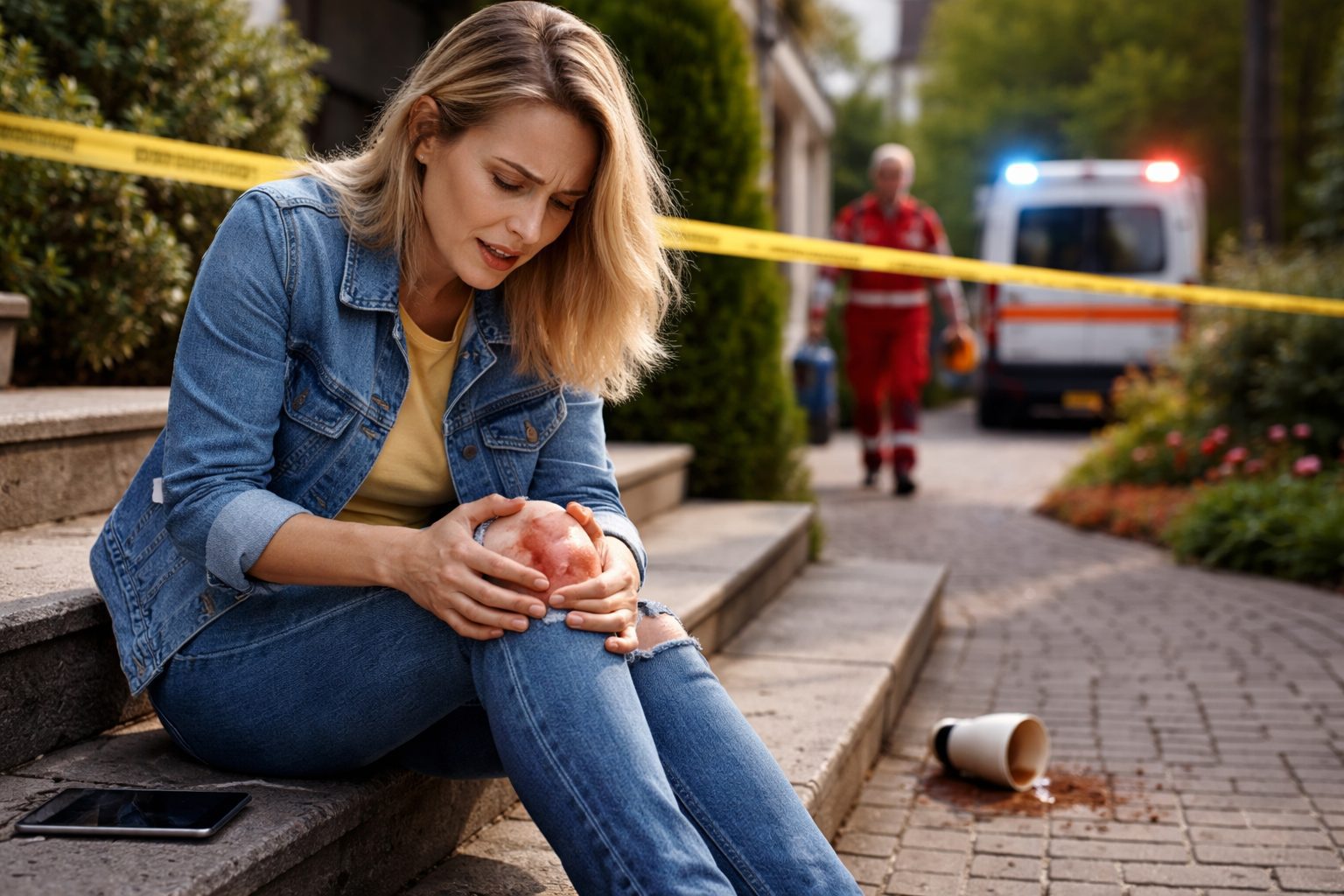
Safety on someone else’s property is not guaranteed, and accidents can happen even in familiar spaces. Property owners have a legal responsibility to maintain safe conditions for visitors, and failure to do so can lead to serious injuries.
Common hazards include wet or uneven floors, poorly maintained stairs, and cluttered walkways. Being aware of these risks and knowing how to respond is essential for protecting your health and your legal rights.
The following sections outline practical steps to stay safe and address hazards effectively.
Premises Liability
What Premises Liability Means
Property owners have a responsibility to keep their spaces safe for visitors. This responsibility applies to both private and public properties. When a property owner fails to maintain safe conditions, they can be held responsible for any resulting injuries.
This is why understanding liability for hazardous premises is important for anyone spending time in areas they do not own or control. Knowing these responsibilities helps you recognize when an injury could be due to someone else’s negligence.
Common Scenarios That Lead to Accidents
Accidents on someone else’s property often happen in predictable ways. Slip-and-fall incidents are among the most common. Broken stairs, handrails, or uneven floors create hidden risks. Poor lighting, cluttered walkways, and unmarked obstacles can catch visitors off guard.
Even temporary hazards, such as wet floors or construction zones, can be dangerous if not properly addressed. Being aware of these common scenarios helps you stay cautious without being paranoid.
Why Accidents Often Happen?
Negligence by Property Owners
Many injuries result from preventable mistakes. Property owners might ignore hazards, delay repairs, or fail to provide warnings. These oversights may seem small at first, but they can quickly lead to serious accidents.
Liability for premises is based on the principle that owners must act responsibly to prevent harm, and failing to do so can result in legal consequences.
Unseen or Overlooked Dangers
Not all hazards are immediately visible, which makes them easy to overlook. Wet floors, loose rugs, or uneven sidewalks often cause accidents. Poorly lit hallways, cluttered public areas, and construction zones without proper warning signs also pose serious risks.
Even seemingly minor issues, such as a wobbly handrail, can result in significant injuries if ignored. Staying alert to these subtle dangers and taking precautions is essential for protecting yourself while visiting someone else’s property and ensuring that potential risks are addressed promptly.
Early Steps to Protect Yourself
Be Observant on Arrival
Check the area as soon as you enter. Look at the floors, stairs, and walkways for anything unusual. Note warning signs or barriers and avoid areas that seem unsafe. Awareness from the start can prevent many accidents before they happen.
Avoiding Risky Areas
If something looks unsafe, take an alternate path or use extra caution. Hold onto handrails, wear proper shoes, and move slowly around potentially hazardous spots. Small choices like these can make a big difference in avoiding accidents.
Document Concerns
Keeping records of unsafe conditions is useful in the event of an accident. Take photos, write down the dates, and note the hazard. Documenting the scene provides evidence to support a claim or to help explain the situation to property owners or legal representatives.
What to Do After an Accident?
Immediate Actions
The first priority after an accident is safety and medical care. Seek treatment even if injuries appear minor. Notify the property owner or management promptly. If witnesses are present, collect their contact information to support your account.
Legal Guidance Matters
In cases of serious injury, consulting a lawyer can help you understand your rights and next steps. Speaking with an experienced attorney ensures that evidence is preserved and that you have guidance if compensation is necessary.
Legal experts familiar with liability for hazardous premises can help you determine responsibility and pursue claims while protecting your interests.
How Accountability Protects Everyone?
Reporting Hazards and Accidents
Reporting unsafe conditions benefits more than just the injured visitor. It encourages property owners to fix problems, which reduces the risk for others. Noticing and reporting hazards can lead to safer spaces overall.
Legal Protections for Visitors
Visitors have the right to a reasonably safe environment. Premises liability law ensures that property owners cannot ignore hazards without consequences. Taking action when accidents occur not only helps recover losses but also promotes awareness and better safety practices in the community.
Wrap Up!
Safety in spaces you do not control requires vigilance. Awareness, careful observation, and quick action are key. Avoiding obvious hazards, documenting concerns, and seeking help after an accident all help reduce risk. Legal support is an important resource when injuries happen due to another’s negligence.
By taking these steps, visitors can protect themselves and help ensure that property owners maintain safe conditions for everyone.
Also Read: Lupita Karisma Biography: Life, Career, and Public Rise