

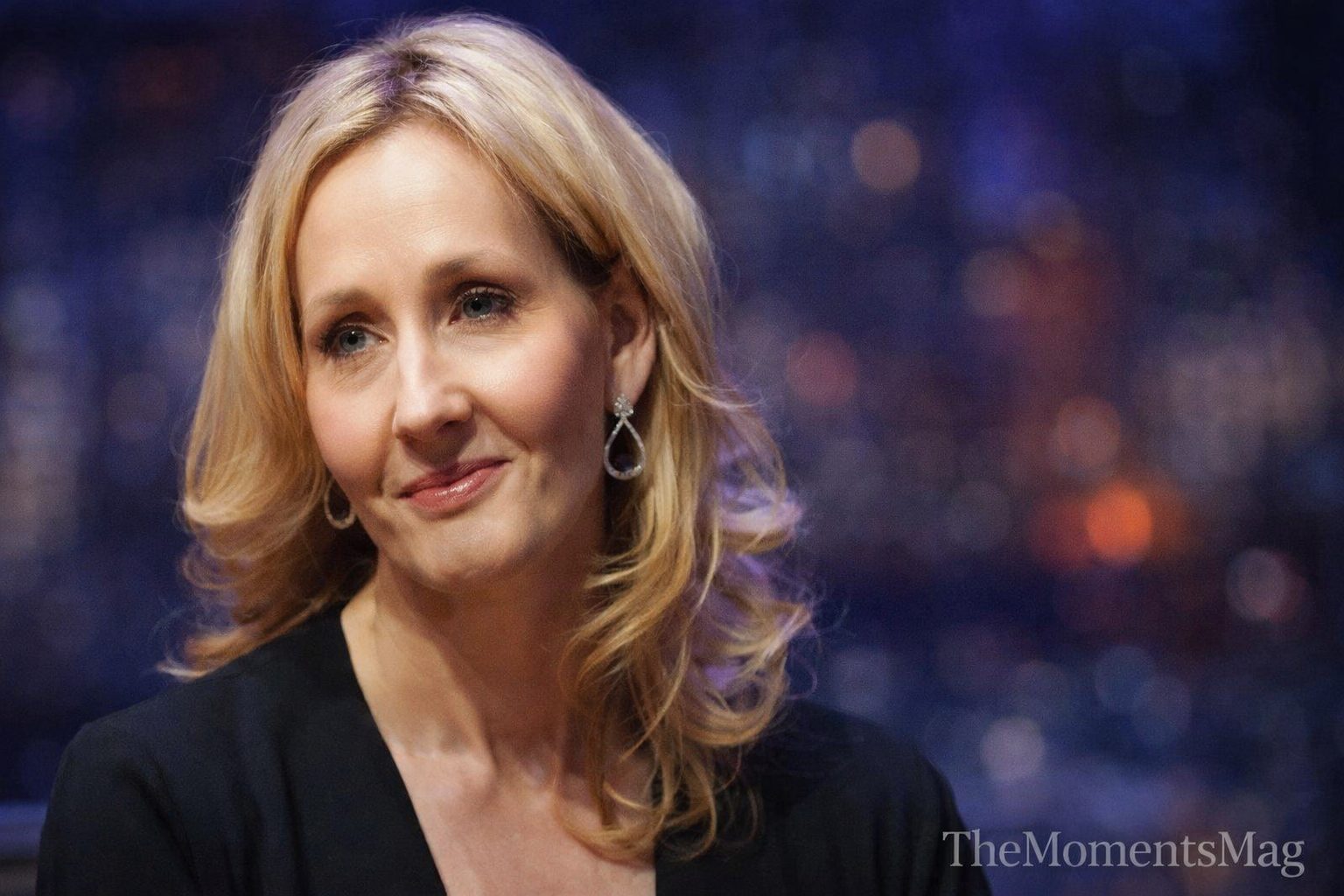
Few modern writers have shaped popular culture as profoundly as J.K. Rowling. Best known as the creator of the Harry Potter series, she transformed from a struggling single mother into one of the most influential authors in the world. Along the way, her life has been scrutinized, celebrated, criticized, and often misunderstood. In recent years, online searches linking “J.K. Rowling” and “cancer” have surfaced, fueled by rumors and speculation rather than confirmed fact.
This biography-style exploration looks at Rowling’s life, her public presence, and the origins of those health rumors. It also places the discussion in context, separating verified information from viral noise. At its heart, this is a story about resilience, storytelling, controversy, and the complexities of living in the public eye.
Early Life and Formative Years
Childhood in Gloucestershire
Joanne Rowling was born on July 31, 1965, in Yate, Gloucestershire, England. From a young age, she showed a fascination with storytelling. She wrote her first story at the age of six, about a rabbit called Rabbit. That early spark would become a defining trait of her life.
Rowling grew up in a modest household. Her father, Peter Rowling, worked as an aircraft engineer, and her mother, Anne Rowling, was a science technician. Anne’s later diagnosis with multiple sclerosis profoundly affected Joanne during her teenage years. Watching her mother’s health decline left a deep emotional imprint that would later echo through her fiction, particularly in themes of loss and perseverance.
Education and Early Career
Rowling studied French and Classics at the University of Exeter. After graduation, she worked a series of jobs, including positions in London’s research and secretarial sectors. During this period, the idea for Harry Potter came to her while she was on a delayed train from Manchester to London in 1990. She has often described that moment as the beginning of a life-altering journey.
The early 1990s were turbulent for Rowling. Her mother passed away in 1990, a loss that deeply affected her writing. Soon after, she moved to Portugal to teach English. There she married and had a daughter, Jessica. The marriage ended in divorce, and Rowling returned to the United Kingdom as a single mother, living in Edinburgh and struggling financially.
The Birth of Harry Potter
From Manuscript to Global Phenomenon
While living on state benefits, Rowling completed the manuscript for “Harry Potter and the Philosopher’s Stone.” The road to publication was not easy. She faced numerous rejections before Bloomsbury agreed to publish the book in 1997. Even then, she was advised to use her initials instead of her full name, as publishers believed young boys might hesitate to read a book written by a woman.
The gamble paid off. The first novel became an immediate success in the United Kingdom. Soon after, Scholastic acquired the U.S. rights, and the series began its meteoric rise. Over the next decade, seven books would captivate millions of readers worldwide.
Cultural and Financial Impact
Harry Potter was more than a literary success. It became a cultural movement. The books were translated into dozens of languages and sold over 500 million copies globally. Film adaptations followed, grossing billions at the box office. Rowling became one of the world’s wealthiest authors.
Her journey from poverty to extraordinary wealth became part of her public narrative. Media outlets often described her as a rags-to-riches symbol of perseverance. That narrative, while inspiring, also marked the beginning of intense public scrutiny.
Philanthropy and Personal Causes
Giving Back Through Charity
As her wealth grew, Rowling became deeply involved in philanthropy. She founded Lumos, a charity focused on ending the institutionalization of children and supporting family-based care systems. The organization works internationally to reform child welfare systems and provide vulnerable children with safe homes.
Rowling has also donated significant sums to multiple sclerosis research in honor of her mother. Her charitable contributions have reportedly amounted to hundreds of millions of pounds, reflecting a consistent commitment to social causes.
Personal Privacy and Public Speculation
Despite her public influence, Rowling has often guarded aspects of her private life. This tension between visibility and privacy has shaped much of her relationship with the media. As a result, rumors sometimes circulate without confirmation.
The emergence of online searches linking “J.K. Rowling” and “cancer” appears to stem from viral posts rather than official announcements. There has been no credible reporting confirming that Rowling has been diagnosed with cancer. In fact, previous viral claims were publicly denied by her representatives. The speed at which such rumors spread highlights the modern challenge of managing personal narratives in the digital age.
Controversy and Cultural Debate
Shifting Public Perception
In recent years, Rowling has been at the center of intense cultural debates, particularly concerning gender identity and free speech. Her public statements on these issues have drawn both support and criticism. As a result, she has become a polarizing figure.
Public polarization can amplify rumors. When a person becomes symbolic in broader cultural conflicts, even unverified health claims can gain traction. This phenomenon reflects more about online behavior than about the individual at the center of attention.
The Impact of Digital Virality
The modern information ecosystem moves quickly. A single tweet or screenshot can become global news within hours. Health-related rumors often trigger strong emotional responses, which can accelerate their spread. In Rowling’s case, speculation linking her name with cancer gained attention despite lacking factual backing.
For public figures, this environment creates a complex reality. Fame offers influence and opportunity, but it also invites invasive scrutiny. Rowling’s life illustrates both sides of that equation.
Literary Evolution Beyond Harry Potter
Expanding Her Creative Universe
After completing the Harry Potter series in 2007, Rowling did not retreat from writing. Instead, she expanded her creative range. She wrote “The Casual Vacancy,” a contemporary novel exploring small-town politics and social inequality. Later, she ventured into crime fiction under the pseudonym Robert Galbraith, creating the Cormoran Strike detective series.
These works revealed a writer willing to step outside the fantasy genre that made her famous. They also demonstrated her versatility and commitment to craft.
Legacy in Publishing
Rowling’s influence on publishing remains significant. She helped revive children’s literature as a commercial powerhouse. Her success encouraged publishers to invest more heavily in young adult fiction. Many authors credit the Harry Potter era with opening doors for new voices in fantasy and beyond.
Even amid controversy, her literary legacy remains secure. Few authors have shaped global reading habits in the way she has.
Personal Resilience and Public Narrative
Living Under a Global Microscope
Rowling’s life story is often framed as one of resilience. From personal loss and financial hardship to extraordinary success, her trajectory captures the imagination. Yet resilience does not shield anyone from vulnerability.
Public curiosity about a celebrity’s health often reflects a mix of concern and spectacle. When rumors emerge, they can distort reality. In Rowling’s case, speculation about cancer appears disconnected from verified information. It demonstrates how easily narratives can form without evidence.
Balancing Humanity and Icon Status
At times, it can be easy to forget that public figures are human beings. They experience private challenges, family responsibilities, and emotional struggles just like anyone else. Rowling has spoken openly about past depression and hardship, offering glimpses into her humanity.
However, she has not publicly disclosed a cancer diagnosis. Without credible confirmation, such claims remain rumors. Responsible discussion requires separating verified fact from assumption.
Also Read: Joylette Goble: Life Beyond Hidden Figures
Conclusion
J.K. Rowling’s life reads like one of her own novels. It contains adversity, imagination, triumph, controversy, and reinvention. From a young girl writing stories in Gloucestershire to a global literary icon, her journey reflects extraordinary determination.
Alongside her fame has come scrutiny. In the digital era, even unverified health rumors can circulate widely. Despite online searches connecting her name to cancer, there is no credible evidence confirming such a diagnosis. The persistence of the rumor says more about the speed of modern information than about Rowling herself.
Ultimately, Rowling’s legacy rests on her storytelling and cultural impact. Her biography is a testament to creativity’s power to change a life—and, indeed, the lives of millions of readers. In an age of constant noise, her story reminds us of the importance of separating fact from fiction, both on the page and beyond it.