

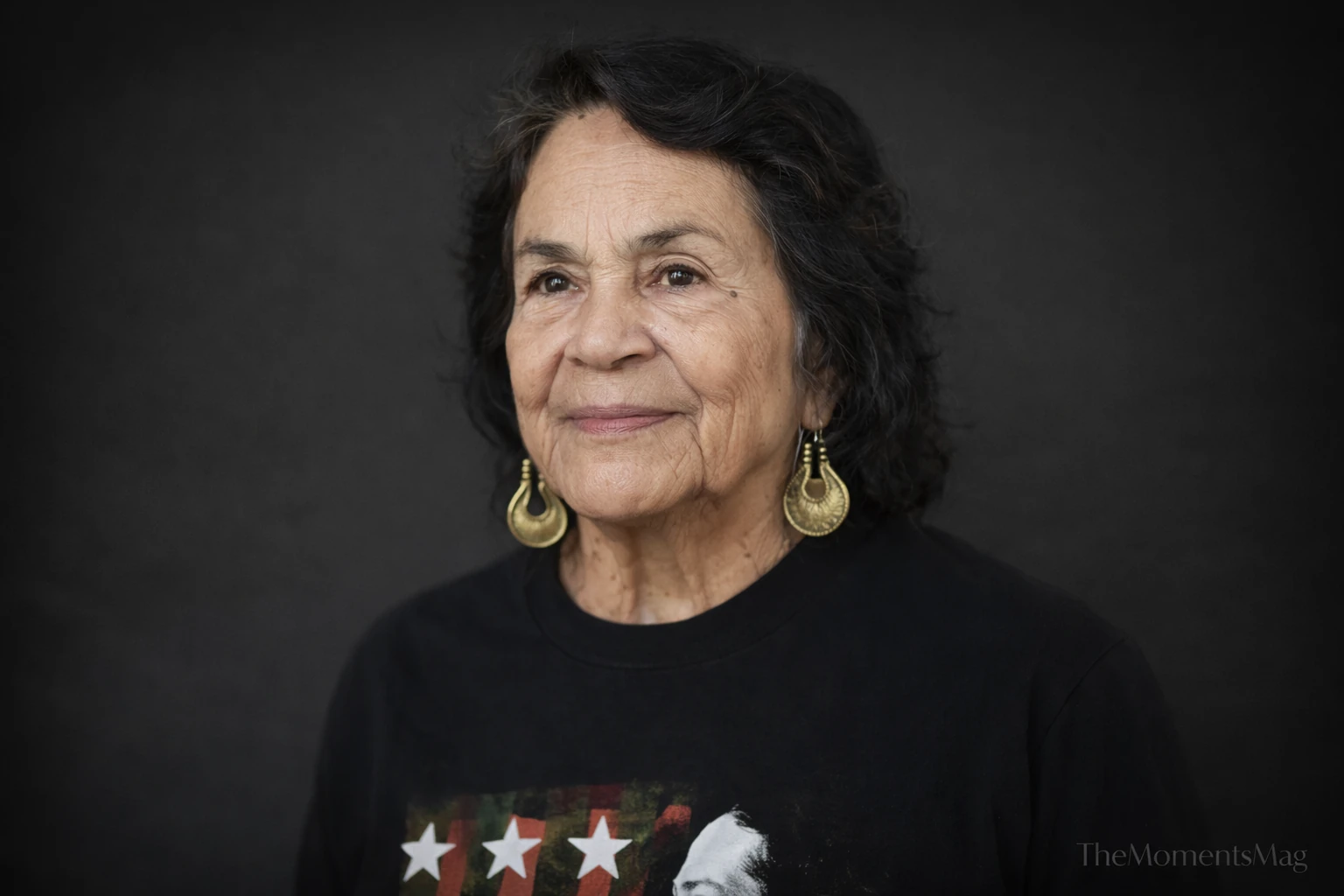
There’s a photograph taken sometime around 1970 inside a crumbling prison on Alcatraz Island. In it, a young mother walks alongside her children through a corridor that once held inmates. The walls are stark, the light is uneven, and yet there’s a sense of purpose in the frame. That woman is Eldy Banda. She wasn’t a tourist, and this wasn’t a family outing in the usual sense. She was there because she believed in something, and she wanted her children to see it up close.
That moment says more about Eldy Banda than any tidy biography ever could. She didn’t chase the spotlight, and she didn’t build a public persona. Instead, she built a life rooted in work, identity, and conviction. Years later, her sons would carry pieces of that life into Hollywood and beyond, but the foundation was already set long before any cameras arrived.
| Attribute | Details |
|---|---|
| Full Name | Eldy Banda (also known as Eldy Bratt) |
| Date of Birth | Not publicly confirmed |
| Age | Not publicly confirmed (as of 2026) |
| Place of Birth | Lima, Peru |
| Nationality | Peruvian-American |
| Profession | Nurse, political activist |
| Famous For | Mother of Benjamin Bratt; involvement in Indigenous activism including Alcatraz occupation |
| Marital Status | Formerly married to Peter Bratt Sr. |
| Children | Five children, including Benjamin Bratt and Peter Bratt |
| Estimated Net Worth | Not publicly disclosed (as of 2026) |
Early Life and Family Background
Eldy Banda was born in Lima, Peru, into a cultural lineage that shaped everything that followed. She is widely described as being of Quechua descent, which connects her to one of the largest Indigenous groups in the Americas. That identity wasn’t something abstract or symbolic. It was lived, inherited, and carried forward in ways that would later define her role as a mother and activist.
She moved to the United States at the age of 14, a transition that would have been both disorienting and formative. By all accounts, arriving in a new country as a teenager meant learning quickly how to navigate unfamiliar systems while holding onto a sense of self. The truth is, many immigrant stories follow that pattern, but what stands out here is how deeply Banda held onto her roots rather than setting them aside.
San Francisco became the center of her adult life, and the timing mattered. The city in the late 1960s was a place of upheaval, activism, and cultural change. Civil rights movements, anti-war protests, and Indigenous organizing were all unfolding at once. Banda didn’t just witness that environment. She stepped into it, bringing her own experiences and perspective into a larger conversation about identity and justice.
Building a Life in San Francisco
Life in San Francisco wasn’t easy, especially for a young immigrant woman balancing work, family, and political awareness. Eldy Banda trained and worked as a nurse, a profession that demands patience, resilience, and a steady hand under pressure. Nursing is often described as a calling, but it’s also hard, physical work that doesn’t leave much room for error.
At the same time, she was raising five children. Her marriage to Peter Bratt Sr., a sheet metal worker, eventually ended, and Banda became the central figure holding the family together. Anyone who has spoken about the Bratt family tends to emphasize her strength, not in a dramatic sense, but in the quiet consistency of showing up every day.
What’s surprising is how seamlessly she seemed to blend her professional life with her political awareness. She wasn’t compartmentalizing one part of herself from another. Instead, her work as a caregiver and her involvement in activism appeared to come from the same place, a belief in community and responsibility.
The Alcatraz Occupation and Political Awakening
In November 1969, a group of Native American activists occupied Alcatraz Island, reclaiming it as Indigenous land. The occupation lasted 19 months and became one of the most visible protests in modern Native American history. It drew national attention and sparked conversations that continue decades later.
Eldy Banda brought her children to Alcatraz during that occupation. Her son Benjamin Bratt was just six years old at the time. He would later recall the experience in interviews, describing it as both a formative and strangely joyful memory. He spoke about running through the island, exploring the abandoned spaces, and absorbing the sense that something important was happening around him.
But here’s the thing. For Banda, this wasn’t just about giving her children an unusual childhood experience. It was about belonging. In later reflections, Benjamin Bratt explained that his mother felt a deep sense of connection during her time on Alcatraz, as if she had finally found a place where her identity as an Indigenous woman from Peru was understood and valued.
That emotional layer changes how you see the event. It wasn’t just political. It was personal. Banda wasn’t observing history. She was part of it, and she made sure her children were too.
Raising a Family Rooted in Identity
Parenting is often described as a series of small decisions that add up over time. In Eldy Banda’s case, those decisions consistently pointed toward one thing: grounding her children in a strong sense of identity. That didn’t mean shielding them from the world. It meant preparing them to face it with clarity and confidence.
Her son Benjamin Bratt would go on to become a well-known actor, appearing in films like Miss Congeniality and television series like Law & Order. But his public work has always included a connection to Indigenous history and social issues. He narrated the PBS series We Shall Remain, which explores Native American history, and has remained involved with organizations serving Indigenous communities.
Peter Bratt, her other son, took a different path but arrived at a similar place. As a filmmaker, he directed La Mission, a deeply personal film set in San Francisco’s Mission District. The story reflects themes of family, culture, and identity, all of which trace back to the environment Eldy Banda created at home.
According to people familiar with the family, her influence wasn’t imposed in a heavy-handed way. It was woven into daily life. The music played at home, the conversations at the dinner table, the places they visited, all carried meaning. That kind of upbringing doesn’t guarantee success, but it shapes how success is defined.
Personal Relationships and Family Life
Eldy Banda’s marriage to Peter Bratt Sr. was a significant chapter in her life, but it didn’t define her. After their separation, she took on the primary responsibility of raising their five children. That role required not just financial stability but emotional resilience, especially in a city as dynamic and challenging as San Francisco.
Family members have often described her as both nurturing and firm. She expected discipline and accountability, but she also created a sense of warmth and belonging at home. That balance isn’t easy to strike, and it speaks to a deeper understanding of what children need to grow into themselves.
Her relationship with her children remained strong as they entered adulthood and built their own careers. In interviews, Benjamin Bratt frequently speaks about his mother with a mix of admiration and gratitude. He doesn’t frame her as a distant influence. He talks about her as someone who was present, engaged, and deeply invested in their lives.
Career and Professional Life
While much of the public attention around Eldy Banda focuses on her role as a mother, her career as a nurse deserves equal recognition. Nursing is often overlooked in celebrity-adjacent narratives, but it’s a profession that requires skill, compassion, and endurance.
Working as a nurse while raising five children would have meant long hours and constant demands. There’s no evidence that she treated her job as secondary to her family life. Instead, it appears she approached both with the same level of commitment.
That dual role adds another layer to her story. She wasn’t only shaping her children’s worldview. She was actively contributing to her community through her work. That combination of caregiving at home and in a professional setting creates a fuller picture of who she was.
Financial Standing and Public Perception
Eldy Banda’s financial details are not publicly documented, and estimates about her net worth vary widely. Many websites attempt to assign a specific figure, but those claims are rarely backed by credible sources. The truth is, she did not build a public brand or business empire that would make such calculations meaningful.
What can be said with confidence is that her wealth, if measured in influence and legacy, extends far beyond numbers. Her children’s careers, particularly in film and television, have brought financial success to the family, but those achievements are rooted in values she helped instill.
Public perception of Banda has evolved over time. Early mentions often reduced her to a supporting figure in her son’s biography. More recent discussions, especially those tied to Indigenous history and activism, place her in a more central role. That shift reflects a broader recognition of how behind-the-scenes figures shape public lives.
Life Today and Lasting Influence
As of 2026, Eldy Banda maintains a low public profile. She does not appear in frequent interviews, and she has not sought media attention. That absence from the spotlight is consistent with the way she has lived her life.
Her influence, however, continues to surface in the work of her children. Benjamin Bratt’s involvement in social and cultural initiatives, as well as Peter Bratt’s storytelling choices, both point back to the environment she created. It’s not a direct line, but it’s a clear one.
Not many people know this, but her story also reflects a larger pattern in American life. There are countless individuals who shape culture and politics without ever becoming household names. Eldy Banda stands among them, not because she avoided recognition, but because her impact was felt in ways that don’t always translate into headlines.
Lesser-Known Facts About Eldy Banda
One detail that often surprises people is her direct connection to a defining moment in Native American activism. Many assume the Alcatraz occupation was something her children learned about later. In reality, they experienced it firsthand because of her.
Another aspect that doesn’t get enough attention is her Quechua heritage. That identity connects her to a rich cultural history that predates modern national borders, and it influenced how she approached both family and activism.
There’s also the fact that she raised five children largely on her own while maintaining a demanding career. That combination of responsibilities speaks to a level of endurance that rarely gets highlighted in public profiles.
Finally, her story challenges the idea that influence must be visible to be meaningful. She didn’t write books or give speeches that were widely recorded. Instead, she shaped lives in ways that continue to resonate.
Frequently Asked Questions
Who is Eldy Banda?
Eldy Banda is a Peruvian-born nurse and political activist best known as the mother of actor Benjamin Bratt and filmmaker Peter Bratt. She is recognized for her involvement in Indigenous activism and her influence on her children’s careers and values. Her story is closely tied to the cultural and political environment of San Francisco in the late 20th century.
Was Eldy Banda part of the Alcatraz occupation?
Yes, she was present during the Native American occupation of Alcatraz in 1969 and brought her children with her. This experience had a lasting impact on her family, particularly on Benjamin Bratt, who has spoken about it in interviews. The occupation itself remains a major event in modern Indigenous history.
What is Eldy Banda’s background?
She was born in Lima, Peru, and is of Quechua descent. She moved to the United States as a teenager and built her life in San Francisco. Her background played a significant role in shaping her identity and the way she raised her children.
What did Eldy Banda do professionally?
Eldy Banda worked as a nurse, a profession that requires both technical skill and emotional strength. Alongside her career, she was also involved in political activism, particularly in Indigenous causes. Her professional and personal lives were closely connected through a shared commitment to community.
Is Eldy Banda still alive?
There is no widely confirmed public record detailing her current status. She has maintained a private life, and reliable information about her later years is limited. This lack of public visibility has contributed to the confusion found in many online profiles.
Also Read: YTB Fatt Age, Biography, Career & Net Worth 2026
Conclusion
Eldy Banda’s life doesn’t fit neatly into the categories people often expect. She wasn’t a celebrity in her own right, and she didn’t leave behind a detailed public archive. Yet her presence can be felt in places that matter, from the history of Alcatraz to the work of her children.
What stands out most is the consistency of her values. She worked as a nurse, raised five children, and stayed connected to her cultural roots. Those choices weren’t dramatic, but they were deliberate, and they shaped everything that followed.
Her story also serves as a reminder that influence isn’t always loud or visible. Sometimes it shows up years later, in the way people tell their own stories or the causes they choose to support. That kind of legacy doesn’t fade easily because it’s built on something real.
If you look closely, Eldy Banda’s life offers a clear lesson. The people who shape history aren’t always the ones standing in front of the cameras. Sometimes they’re the ones guiding others toward it, step by step, with quiet determination that lasts far longer than recognition ever could.