

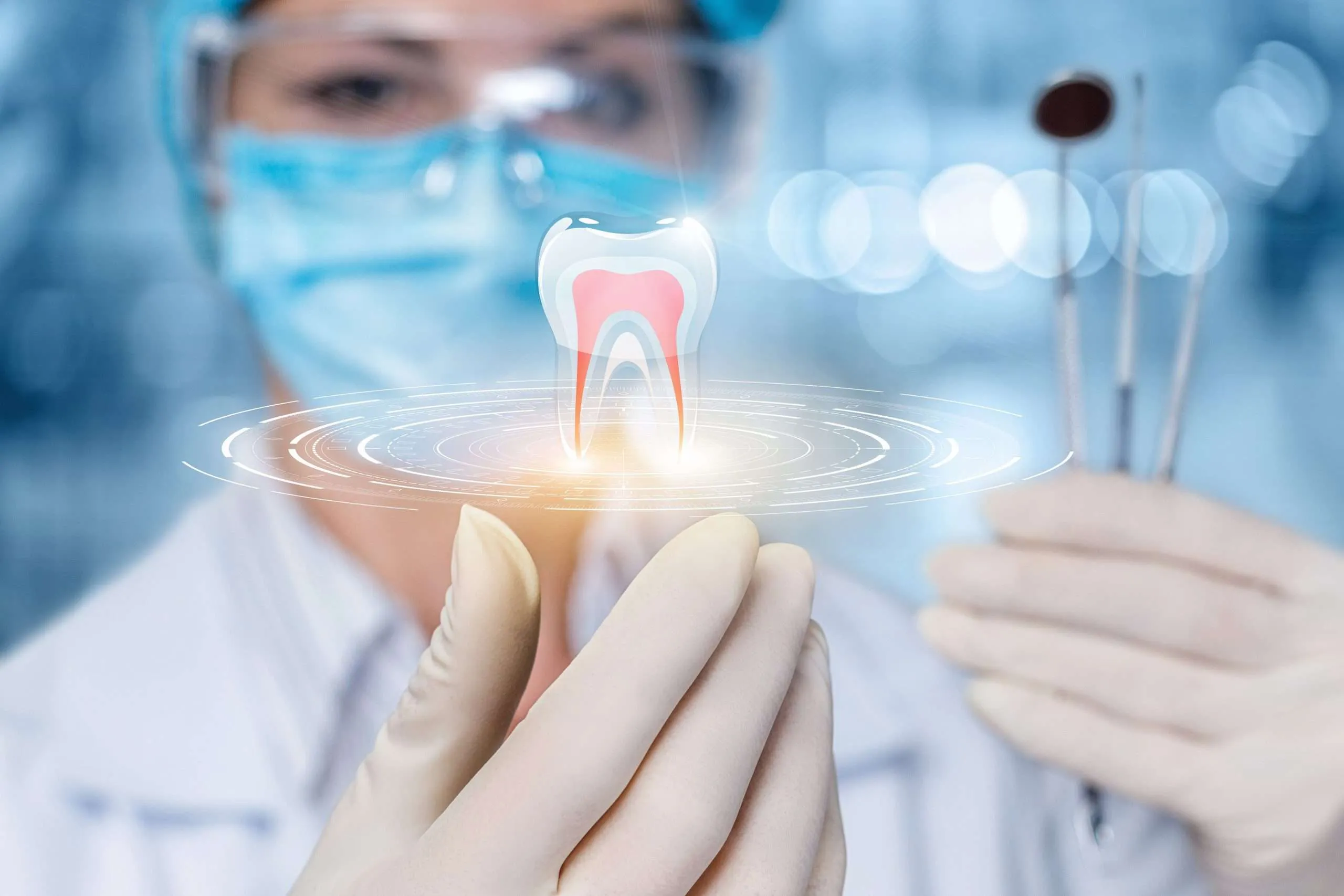
In the high-stakes world of oral health, a dental emergency rarely waits for a convenient moment. Whether it is a sudden, throbbing toothache in the middle of the night or a high-impact sports injury that results in a knocked-out tooth, the urgency of the situation can be overwhelming. However, as we move through 2026, the landscape of urgent dental care has been radically transformed by sophisticated technologies. The days of waiting days for a lab-manufactured crown or suffering through manual diagnostic guesswork are fading, replaced by a new era of faster, smarter, and more precise interventions.
AI-Powered Diagnostics and Precision Triage
The first few minutes of a dental emergency are often the most critical. Artificial Intelligence (AI) has now become a foundational tool in Australian clinics, providing immediate support during the triage phase. When a patient arrives with acute pain, AI-enhanced radiographic software can analyse digital X-rays in seconds, highlighting hairline fractures or deep-seated abscesses that might be missed by the human eye under pressure.
This “second set of eyes” ensures that the source of the emergency is identified with pinpoint accuracy. By automating the detection of pathology, dentists can move straight to the solution, reducing the time a patient spends in the chair while significantly increasing the success rate of the intervention.
The Rise of Same-Day Restorations
One of the most significant breakthroughs for patients in crisis is the advancement of CAD/CAM (Computer-Aided Design and Manufacturing) and chairside 3D printing. In the past, a broken tooth often required a temporary fix followed by a two-week wait for a permanent crown. Today, digital intraoral scanners have replaced the messy, gag-inducing putty impressions of the past.
These scanners create a perfect 3D map of the mouth, which is then sent to an on-site milling machine. Within an hour, a high-strength ceramic restoration is crafted and ready for bonding. For those seeking quick treatment options with the help of an emergency dentist, this technology means leaving the clinic with a fully functional, permanent smile in a single visit—eliminating the need for multiple appointments and the risk of a temporary crown falling out.
Teledentistry and Virtual Triage
Technology has also extended the reach of the dental clinic into the patient’s home. High-definition teledentistry platforms now allow for virtual consultations that are far more than just a simple video call. Using specialized apps and smartphone attachments, patients can send clear images of their injury to a clinician for immediate assessment.
This digital bridge allows the dentist to determine if a situation requires an immediate midnight visit or if it can be managed with prescribed medication until the morning. It streamlines the flow of patients and ensures that those with the most “life-altering” emergencies—such as severe infections or facial trauma—are prioritised instantly.
Minimally Invasive Emergency Interventions
Even the tools used during the procedure have seen a technological upgrade. Dental lasers are increasingly used in emergency settings to treat infected gums or perform root canal disinfection with minimal bleeding and discomfort. Because lasers are incredibly precise and inherently sterilising, they promote faster healing and reduce the post-operative pain that often follows emergency surgery.
Furthermore, advanced sedation technologies, including digitally controlled “wand” anaesthesia, ensure that the numbing process is localised and painless. This is particularly beneficial for patients whose emergency is compounded by dental anxiety, making the path to relief much smoother.
Accessibility and the 24-Hour Digital Clinic
While technology makes the treatment faster, the question of accessibility remains a primary concern for many Australians. The integration of cloud-based practice management and automated scheduling has made it easier for clinics to manage urgent workflows. However, the debate continues regarding the necessity of physical clinics operating on a 24/7 basis to meet the growing demand for round-the-clock care.
In 2026, the synergy between expert clinical skill and cutting-edge digital tools has effectively redefined what is possible in a crisis. Patients no longer have to endure prolonged pain or uncertainty. From the moment an injury occurs to the final placement of a 3D-printed restoration, technology ensures that emergency oral care is not just a reactive necessity, but a highly efficient, data-driven science that puts patient comfort and long-term health at the forefront.