

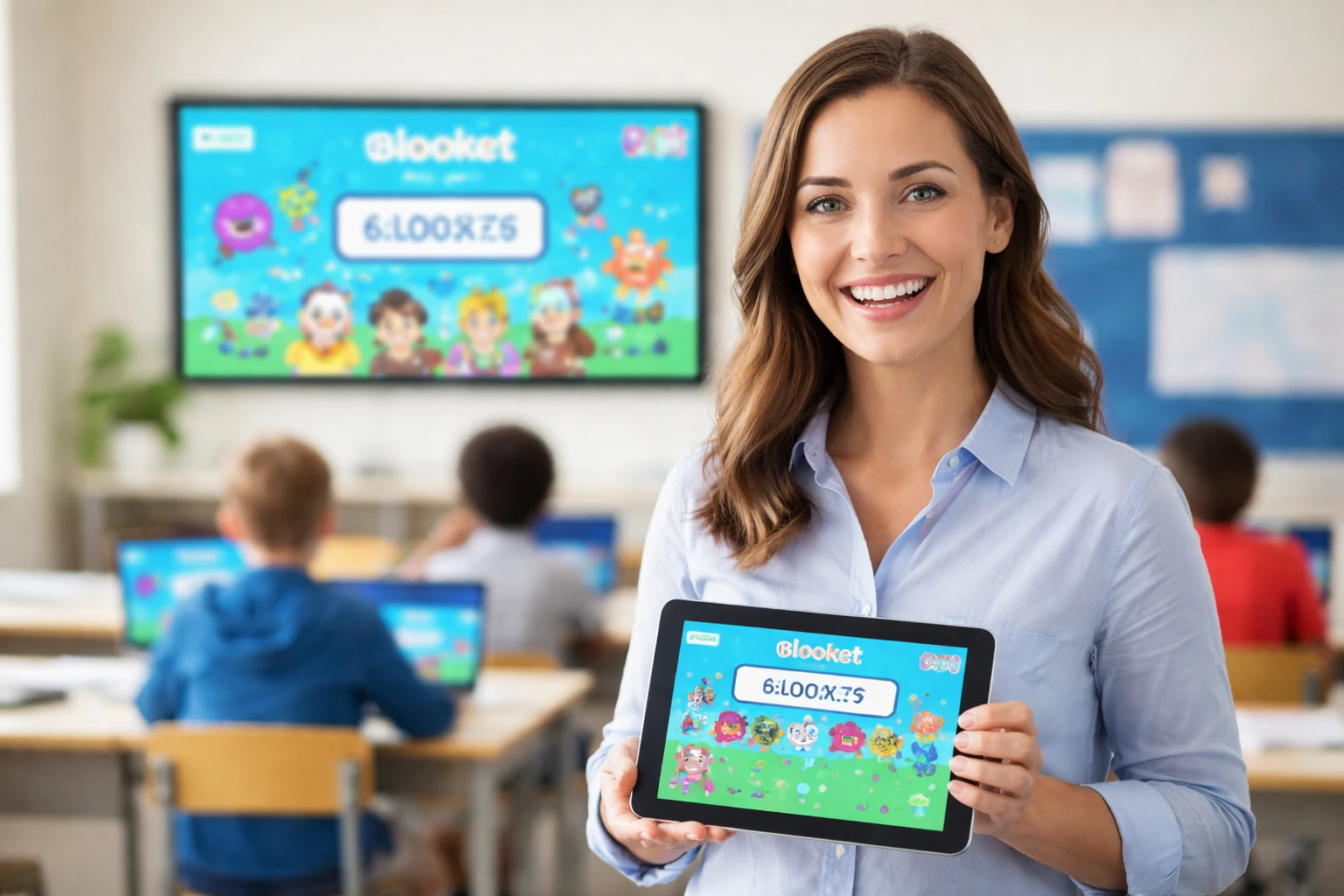
Walk into almost any modern classroom and you will see the same challenge written across students’ faces: distraction competes with attention every minute. Teachers are expected to deliver rigorous content while also keeping energy high and participation inclusive. In that environment, interactive learning platforms have moved from novelty to necessity. One of the most widely used tools in this space is Blooket, and at the center of every successful session is a confident Blooket host.
Hosting a Blooket game is not just about clicking a button and projecting a code. It is about shaping the pace of the lesson, choosing the right game mode, guiding student behavior, and transforming playful competition into meaningful learning. When done thoughtfully, hosting can turn a routine review session into a moment of focus, insight, and measurable progress. When done poorly, it becomes noise.
This guide explores what it truly means to be an effective Blooket host, how to structure sessions for maximum impact, and how to use the platform in a way that strengthens learning rather than distracting from it.
Understanding the Role of a Blooket Host
The term “Blooket host” might sound technical, but in practice it refers to the teacher or facilitator who launches and controls a live game session. However, the responsibilities go far beyond starting a game.
A strong host acts as a designer. Before students ever enter a game code, the host has chosen the question set, aligned it with lesson objectives, and considered how it fits into the broader curriculum. That decision determines whether the activity reinforces knowledge or simply fills time.
A host also acts as a moderator. They manage how students join, whether real names are required, how long the game runs, and how disruptions are handled. These small choices shape classroom culture.
Most importantly, a host becomes an instructional guide. During and after the game, they interpret patterns, address misconceptions, and help students understand not just what the right answer is, but why it is correct.
In short, the Blooket host is not just running software. They are orchestrating a learning experience.
Setting Up a Successful Live Game
Hosting begins with preparation. The question set should match the day’s objective. If the class is reviewing key vocabulary, short and direct questions work best. If the goal is conceptual understanding, slightly more complex prompts may be appropriate.
Once the set is selected, the host chooses a game mode. Blooket offers a wide range of options, each with a different tone and rhythm. Some modes reward speed and quick recall. Others introduce strategic elements that slow the pace and encourage reflection.
The key is alignment. If students are practicing before a quiz, a faster mode might energize them. If they are encountering material for the first time, a slower and more deliberate format may reduce anxiety.
Timing also matters. A well-run Blooket session usually fits within a defined window. Ten to fifteen minutes often strikes the right balance. This keeps excitement high without overwhelming the lesson plan.
Clarity at the start sets expectations. Before students join, the host can briefly explain the purpose of the activity. Framing it as a learning tool rather than a competition helps maintain focus. A simple statement about reviewing key ideas or identifying gaps signals that the game has structure.
Managing Student Participation and Behavior
Technology amplifies classroom dynamics. A lively group can become even more energetic during a game. A distracted group can disengage quickly if instructions are unclear.
One of the most important hosting decisions involves how students identify themselves. Allowing creative usernames can increase engagement, but it can also create distractions. Requiring real names makes post-game analysis easier and supports accountability. The choice depends on the tone of the class and the goal of the session.
Pacing is another essential factor. If too much time is spent waiting for students to join, energy drops. Efficient hosts project the game code, set a clear countdown, and begin promptly. This communicates structure.
If technical issues arise, the host’s response matters. Calmly assisting one student without halting the entire class maintains momentum. Keeping late joining enabled at the start can help minimize interruptions.
Narration during the game can also guide behavior. Encouraging phrases that highlight effort and improvement rather than leaderboard positions shift attention from pure competition to mastery. Students respond strongly to tone. A host who celebrates thoughtful answers builds confidence.
Choosing the Right Game Mode for Your Objective
Blooket’s variety is both its strength and its challenge. With numerous live modes available, hosts must decide which one best supports their instructional aim.
Fast-paced modes can be powerful review tools. They encourage quick recall and energize students before a test. However, they may not be ideal when introducing new concepts.
Strategic modes, where students accumulate points or progress through scenarios, often keep engagement high for longer periods. These formats can sustain attention during extended review sessions.
The host’s task is to understand the psychological effect of each mode. If the class needs a burst of focus after lunch, a competitive mode might reawaken attention. If students are anxious before an assessment, a less intense format may feel safer.
Flexibility is important. Experienced hosts experiment, observe student responses, and adjust future sessions accordingly. Over time, patterns emerge about which modes resonate most with a particular group.
Turning Gameplay into Meaningful Assessment
A Blooket session becomes truly valuable when it informs instruction. The real power of hosting lies not just in what happens during the game, but in what happens afterward.
After a session ends, the host can review performance data. Patterns often reveal themselves quickly. Perhaps a majority of students missed one specific question. That indicates a gap worth revisiting. Perhaps a small group struggled consistently, suggesting a need for targeted support.
Addressing these insights immediately reinforces learning. A short discussion about the most commonly missed question can clarify misconceptions before they solidify. Students benefit from seeing that their responses shape the lesson.
This feedback loop transforms Blooket from a game into a formative assessment tool. It provides real-time evidence of understanding in a way that traditional worksheets often cannot.
When students see that their performance leads to explanation and growth, they begin to take the activity more seriously. They recognize that the game has purpose.
Using Blooket for Homework and Independent Practice
Live sessions are only one part of effective hosting. Blooket also allows teachers to assign homework games, extending practice beyond the classroom.
Homework mode can reduce pressure because students work at their own pace. It is especially useful for reinforcing vocabulary, reviewing factual content, or preparing for assessments.
The key to successful homework hosting is clarity. Students should know the goal of the assignment. Instead of simply instructing them to complete a game, explain what they should focus on. This might be improving accuracy or mastering a specific concept.
Reviewing homework data during the next class session closes the loop. Briefly discussing common errors shows students that their effort matters. It also maintains accountability.
Blending live sessions with independent assignments creates a balanced approach. Students experience both collaborative excitement and individual reflection.
The Psychology Behind Gamified Learning
The popularity of platforms like Blooket reflects a broader shift in education. Students today are immersed in digital environments that provide constant feedback, clear goals, and visible progress.
Gamification leverages these familiar structures. Points, progress bars, and competition activate motivation systems that traditional lectures may not engage as strongly.
Research on gamified learning consistently suggests positive effects when implementation is thoughtful. Engagement increases when students feel challenged but not overwhelmed. Immediate feedback strengthens retention.
However, gamification is not a cure-all. Without strong questions and clear objectives, games can become superficial. The host’s role remains central. The technology enhances instruction, but it does not replace it.
Effective hosts understand this balance. They treat the platform as a tool, not the lesson itself.
Building Confidence as a New Host
For teachers new to Blooket, the first session can feel uncertain. Concerns about technical glitches or classroom management are natural.
Confidence grows through repetition. Starting with shorter sessions allows hosts to become familiar with settings and pacing. Observing how students respond builds intuition.
Preparation also reduces anxiety. Testing a game mode in advance helps avoid surprises. Knowing where reports are located ensures smooth transitions after the game ends.
Most importantly, authenticity matters. Students respond positively when teachers approach the activity with enthusiasm and clarity. Even minor mistakes are quickly forgotten if the overall experience feels engaging.
Over time, hosting becomes second nature. Teachers begin to anticipate which questions will spark discussion and which modes will energize the room.
Avoiding Common Hosting Mistakes
While Blooket can be powerful, certain missteps can limit its effectiveness.
One common mistake is overuse. Running a game every day can reduce novelty and diminish impact. Strategic use maintains excitement.
Another issue is prioritizing speed over understanding. If students rush through questions without reflection, learning suffers. Periodic pauses for explanation can restore balance.
Ignoring data is another missed opportunity. Hosting without reviewing reports wastes valuable insight. The post-game conversation is often the most important part.
Finally, failing to connect the activity to broader objectives can make it feel disconnected from the curriculum. Clear framing before and after the session reinforces relevance.
Avoiding these pitfalls helps maintain both engagement and academic rigor.
Also Read: Brett Desmond: Investor and Boardroom Leader
Conclusion
Being a successful Blooket host requires more than technical familiarity. It demands intentional design, thoughtful pacing, and a commitment to transforming play into progress.
When hosting is approached strategically, it becomes a bridge between engagement and understanding. Students feel energized, yet their learning remains measurable and guided. The game environment lowers barriers to participation, while data provides clarity about what needs reinforcement.
In a world where attention is fragmented and motivation fluctuates, interactive tools offer powerful possibilities. But their effectiveness depends on the human at the center. The Blooket host sets the tone, shapes the experience, and ensures that every round contributes to growth.
Used wisely, hosting is not just about keeping students entertained. It is about creating moments where curiosity and competition combine with insight and improvement. That balance is what transforms a simple classroom game into a meaningful educational experience.