

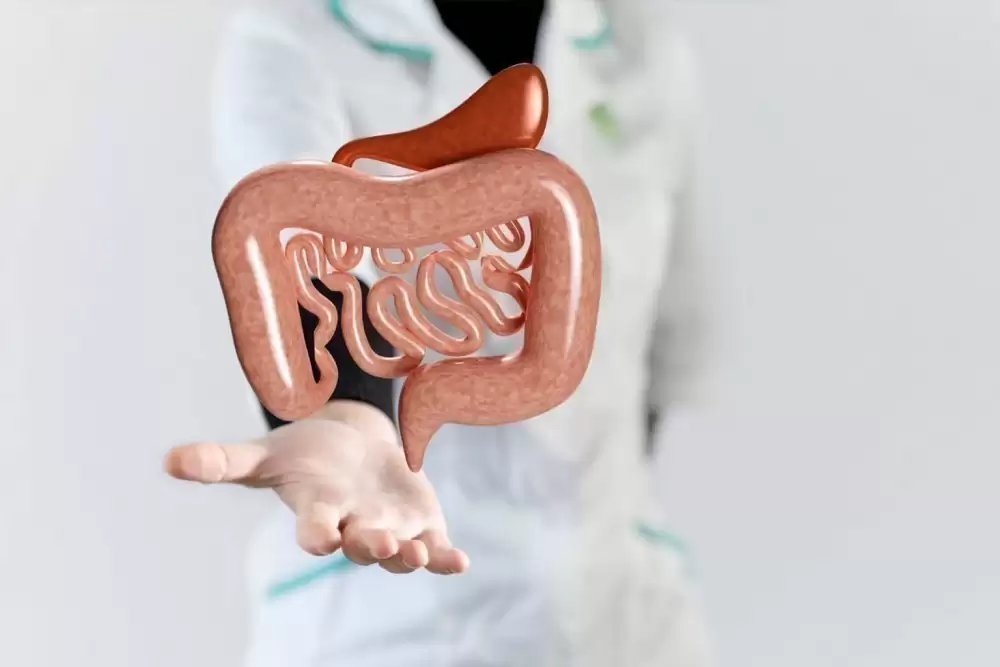
Digestive health is a cornerstone of overall well-being, yet it is often neglected until discomfort becomes unavoidable. From occasional bloating to chronic gastrointestinal conditions, digestive issues can significantly impact your daily life, productivity, and long-term health.
Many people tend to self-diagnose or rely on temporary remedies, ignoring the importance of professional care. However, persistent digestive symptoms can indicate underlying conditions that require expert evaluation. Consulting a qualified Gastroenterologist UAE specialist ensures accurate diagnosis, timely treatment, and prevention of serious complications.
In this blog, we’ll explore common digestive disorders, warning signs you should not ignore, and how specialized care in the UAE can help you maintain optimal digestive health.
Understanding the Role of a Gastroenterologist
A gastroenterologist is a medical specialist who focuses on diagnosing and treating disorders related to the digestive system. This includes:
- Esophagus
- Stomach
- Small intestine
- Large intestine (colon)
- Liver
- Gallbladder
- Pancreas
These organs work together to digest food, absorb nutrients, and eliminate waste. Any disruption in this system can lead to discomfort and long-term health risks.
A Gastroenterologist UAE expert is trained to manage both common and complex gastrointestinal conditions using advanced diagnostic tools and evidence-based treatments.
Common Digestive Disorders
1. Acid Reflux and GERD
Acid reflux occurs when stomach acid flows back into the esophagus, causing a burning sensation in the chest (heartburn). When this becomes chronic, it is known as Gastroesophageal Reflux Disease (GERD).
Symptoms include:
- Heartburn
- Regurgitation
- Difficulty swallowing
If left untreated, GERD can lead to complications such as esophageal damage.
- Irritable Bowel Syndrome (IBS)
IBS is a functional gastrointestinal disorder that affects the large intestine. It is characterized by:
- Abdominal pain
- Bloating
- Diarrhea or constipation
Although IBS is not life-threatening, it can significantly affect quality of life.
- Inflammatory Bowel Disease (IBD)
IBD includes conditions like Crohn’s disease and ulcerative colitis. These are chronic inflammatory conditions that require long-term management.
Symptoms include:
- Severe abdominal pain
- Chronic diarrhea
- Weight loss
- Liver Diseases
The liver plays a crucial role in detoxification and metabolism. Conditions such as fatty liver disease, hepatitis, and cirrhosis require specialized care.
- Gallstones
Gallstones are hardened deposits that form in the gallbladder and can cause:
- Severe abdominal pain
- Nausea
- Digestive issues
- Peptic Ulcers
Ulcers are sores that develop in the lining of the stomach or small intestine, often due to infection or prolonged use of certain medications.
Warning Signs You Should Never Ignore
Many digestive issues start with mild symptoms but can worsen over time. You should consult a specialist if you experience:
- Persistent abdominal pain
- Chronic bloating or gas
- Blood in stool
- Unexplained weight loss
- Difficulty swallowing
- Frequent nausea or vomiting
Ignoring these symptoms can lead to serious complications, including cancer in advanced cases.
Seeking help from a digestive health specialist in UAE ensures early detection and effective management.
Importance of Early Diagnosis
Early diagnosis is key to preventing complications and improving treatment outcomes. Many gastrointestinal conditions are easier to treat when identified in their initial stages.
Advanced diagnostic tools used by specialists include:
- Endoscopy
- Colonoscopy
- Ultrasound
- CT scans
- Laboratory tests
These tools allow doctors to accurately identify the root cause of symptoms and create a targeted treatment plan.
Advanced Treatment Options Available in the UAE
Healthcare facilities in the UAE are equipped with state-of-the-art technology and internationally trained specialists. Treatment options include:
1. Medication Management
Used for conditions like acid reflux, IBS, and infections.
2. Minimally Invasive Procedures
Endoscopic procedures allow doctors to diagnose and treat conditions without major surgery.
3. Surgical Interventions
In severe cases, surgery may be required to remove affected areas or treat complications.
4. Lifestyle and Dietary Guidance
Diet plays a crucial role in digestive health. Specialists provide personalized nutrition plans to support recovery and prevent recurrence.
Lifestyle Tips for Better Digestive Health
Maintaining a healthy digestive system requires consistent lifestyle habits. Here are some expert tips:
1. Eat a Balanced Diet
Include fiber-rich foods such as fruits, vegetables, and whole grains.
2. Stay Hydrated
Drinking enough water helps digestion and prevents constipation.
3. Avoid Trigger Foods
Limit spicy, fatty, and processed foods that can irritate the digestive system.
4. Exercise Regularly
Physical activity promotes healthy digestion and reduces stress.
5. Manage Stress
Stress can negatively impact gut health. Practices like yoga and meditation can help.
6. Avoid Smoking and Excess Alcohol
These habits can damage the digestive system over time.
Why Choose a Gastroenterologist in the UAE?
The UAE has become a global hub for advanced medical care. Choosing a Gastroenterologist UAE offers several advantages:
- Access to world-class healthcare facilities
- Highly qualified and experienced specialists
- Advanced diagnostic and treatment technologies
- Multidisciplinary approach to patient care
Patients benefit from personalized treatment plans tailored to their specific needs.
When Should You Visit a Gastroenterologist?
You should consider consulting a specialist if:
- Symptoms persist for more than a few days
- Over-the-counter medications are ineffective
- You experience recurring digestive issues
- There is a family history of gastrointestinal diseases
Early consultation can prevent minor issues from becoming serious health concerns.
The Link Between Digestive Health and Overall Wellness
Your digestive system is closely connected to your immune system and overall health. Poor gut health can lead to:
- Weak immunity
- Nutrient deficiencies
- Chronic fatigue
- Mental health issues
Maintaining a healthy gut is essential for long-term wellness and disease prevention.
Preventive Care and Regular Screenings
Preventive care plays a vital role in maintaining digestive health. Regular screenings such as colonoscopies can help detect issues early, especially for individuals over 45 or those with a family history of gastrointestinal diseases.
Routine checkups with a Gastroenterologist UAE can help monitor your digestive health and address potential issues before they become serious.
Digestive health should never be taken lightly. While occasional discomfort may not be a cause for concern, persistent or severe symptoms require professional attention. Ignoring early warning signs can lead to complications that are more difficult to treat.
Consulting a qualified Gastroenterologist UAE ensures you receive expert care, accurate diagnosis, and effective treatment tailored to your needs. With advanced healthcare facilities and experienced specialists, the UAE offers world-class solutions for all digestive health concerns.
Take control of your health today—because a healthy digestive system is the foundation of a healthy life.