

Campus security is more important than ever. With increasing concerns about safety, schools, colleges, and universities must take proactive steps to protect students, staff, and visitors. Modern security is no longer just about having locked doors or vigilant security guards—technology has transformed how campuses stay safe. From traditional gates to high-tech gadgets, implementing comprehensive security measures can make all the difference.
Assessing Your Campus Security Needs
Before investing in security solutions, it’s crucial to understand the unique challenges of your campus. Consider factors like the size of your property, the layout of buildings, entry and exit points, and high-traffic areas. Conducting a thorough risk assessment helps identify vulnerabilities, whether it’s poorly lit walkways, unsecured entrances, or outdated surveillance systems.
Once potential risks are identified, administrators can prioritize security upgrades based on need and budget. For some campuses, starting with basic perimeter security may be sufficient, while others may require advanced technologies such as AI-powered surveillance cameras or smart access control systems.
Physical Security: The First Line of Defense
Physical barriers remain a foundational element of campus security. Fences, gates, and controlled access points create clear boundaries that deter unauthorized entry. For instance, installing a secure perimeter with professional fence installation in Richmond ensures that only authorized individuals can enter campus grounds.
Gated entry systems, turnstiles, and visitor check-in stations further enhance control over who enters and exits the campus. Even simple measures, like clearly marked entrances and signage, contribute to a safer environment by reducing confusion and discouraging trespassing.
Surveillance Technology: Eyes Everywhere
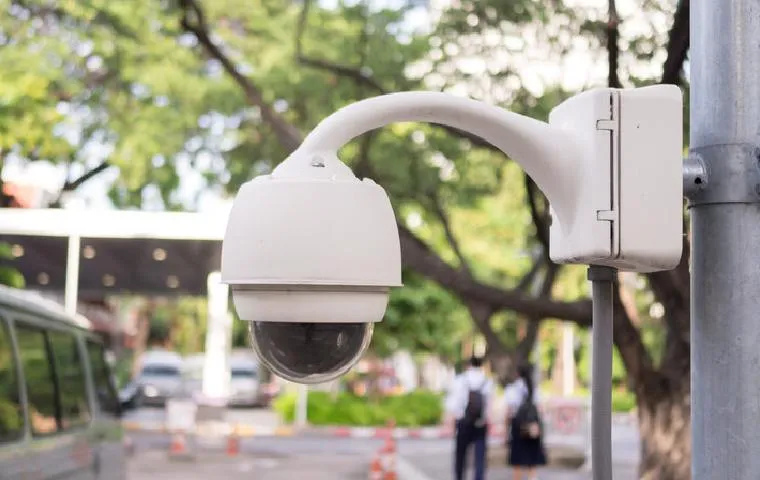
Modern campuses increasingly rely on surveillance technology to monitor activity in real-time. High-definition security cameras placed at strategic points—such as building entrances, parking lots, and hallways—can deter criminal activity and provide valuable evidence in case of incidents.
Advanced systems now incorporate artificial intelligence (AI) to recognize unusual behavior, track movement patterns, and alert security personnel to potential threats instantly. This proactive approach allows campus security teams to respond quickly, preventing minor incidents from escalating into serious situations.
Access Control: Smart and Secure
Managing access to campus buildings is another critical aspect of modern security. Traditional keys are easily lost or duplicated, but electronic access control systems offer a safer, more flexible solution. Keycard systems, biometric scanners, and mobile app-based access allow administrators to control who enters each building and at what times.
These systems also make it easy to revoke access when necessary, ensuring that only authorized personnel can enter sensitive areas such as laboratories, administrative offices, or dormitories. By integrating access control with other security measures, campuses create a layered defense that is both effective and efficient.
Emergency Preparedness: Plan Before Trouble Strikes
Even the best security systems can’t prevent every incident, which is why emergency preparedness is essential. Campuses should develop clear protocols for evacuations, lockdowns, and communication during emergencies. Conducting regular drills helps students and staff understand their roles and reduces confusion when real incidents occur.
Emergency communication systems, including text alerts, public address systems, and mobile notifications, ensure that everyone on campus stays informed and safe. Combining preventative security measures with well-practiced emergency plans significantly improves overall safety.
Educating the Campus Community
Technology and physical barriers are only part of the solution. Educating students, staff, and visitors about security procedures strengthens the campus safety culture. Awareness programs, workshops, and signage can teach individuals how to report suspicious activity, follow emergency protocols, and take personal precautions.
When the entire campus community is engaged in safety efforts, security becomes a shared responsibility rather than a purely administrative task.
In Conclusion
Securing a campus today requires a blend of traditional methods and cutting-edge technology. From sturdy fences to AI-driven cameras, modern tools provide multiple layers of protection, ensuring students and staff feel safe. By assessing risks, implementing physical barriers, embracing surveillance and access control technology, preparing for emergencies, and fostering community awareness, schools can build an environment where learning and personal growth thrive without fear.
Investing in modern security measures isn’t just about protecting property—it’s about protecting the heart of your campus: the people.