

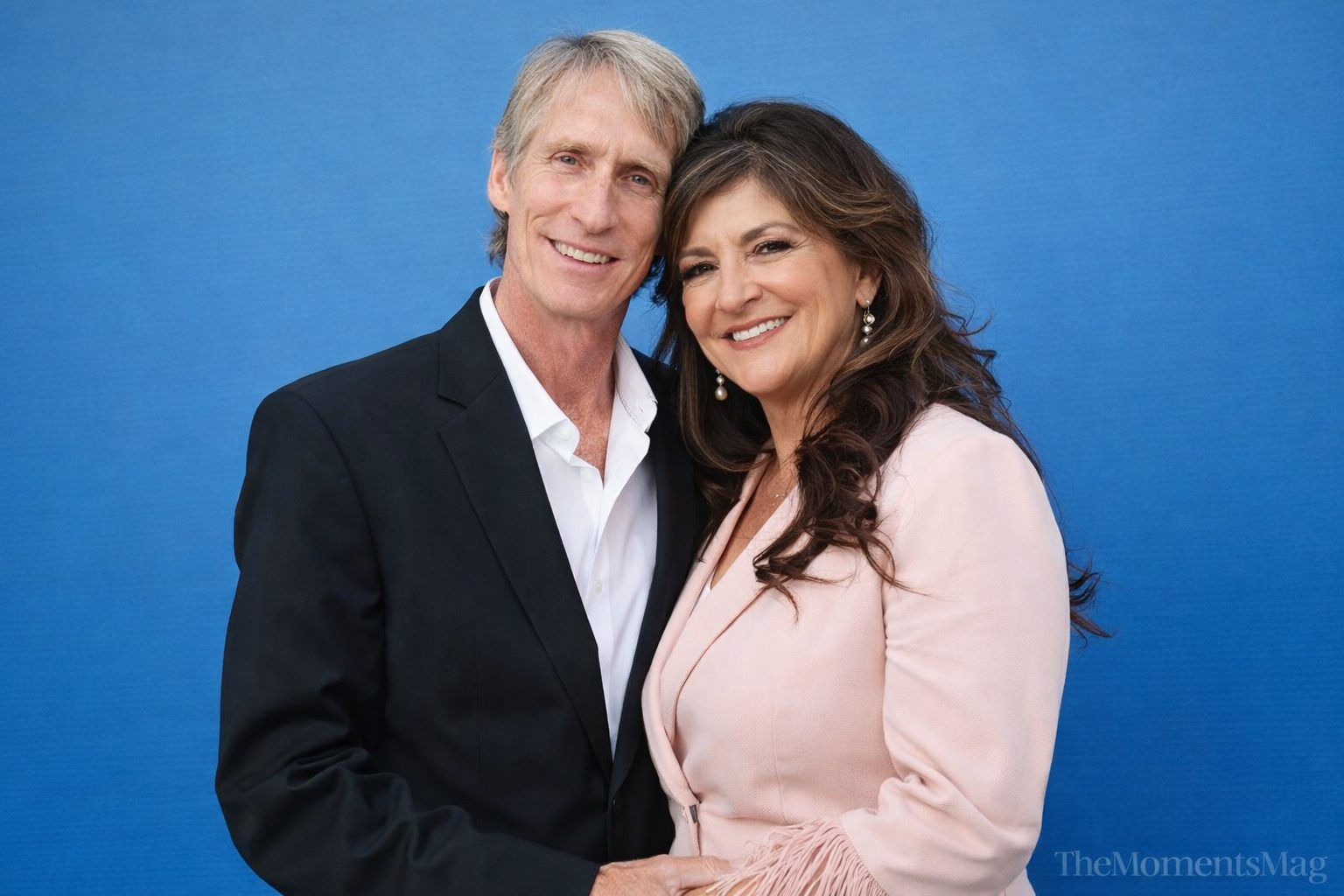
Kevin Von Erich’s life has often been told as a story of glory and grief. As the last surviving son of wrestling patriarch Fritz Von Erich, Kevin became the enduring face of one of professional wrestling’s most legendary families. Crowds once roared his name in packed Texas arenas, and decades later, films and documentaries would reintroduce his story to a new generation. Yet behind the spectacle of the ring, behind the triumphs and tragedies, there has always been a steady and grounding presence: his wife, Pam Adkisson.
While Kevin’s athleticism and resilience have been analyzed endlessly, Pam’s role in his life has remained largely private. She did not chase fame or cultivate public attention. Instead, she built a marriage that quietly outlasted wrestling’s most volatile era. To understand Kevin Von Erich fully, it’s impossible to overlook the woman who stood beside him through the highest highs and the most devastating lows.
Early Life of Pam Adkisson
Pam Adkisson was not born into wrestling royalty, nor did she seek a life in the spotlight. Details about her early years remain intentionally private, reflecting the values she would later carry into her marriage. Unlike the larger-than-life Von Erich persona, Pam’s upbringing shaped someone grounded, family-oriented, and steady.
By the time she met Kevin, the Von Erich name was already rising in prominence. World Class Championship Wrestling was building a loyal following, especially across Texas, and the Adkisson family—Kevin’s real surname—was becoming synonymous with athleticism and charisma. Pam entered Kevin’s world before its most turbulent chapters unfolded, which gave their relationship a foundation built on authenticity rather than celebrity.
Their marriage on August 1, 1980, came at a time when Kevin’s career was accelerating. It was not a union formed after fame had peaked; it was a partnership formed during ascent. That distinction matters. It meant Pam experienced the climb, the pressure, and the transformation alongside him.
A Marriage During Wrestling’s Golden Era
The early 1980s marked the height of the Von Erich phenomenon. Kevin and his brothers—David, Kerry, Mike, and Chris—were not merely wrestlers; they were cultural icons in Texas and beyond. Teenage fans plastered their bedroom walls with posters. Mothers and fathers packed arenas to watch them perform.
In that environment, marriage required resilience. Professional wrestling demanded relentless travel, punishing physical tolls, and an always-on public persona. Kevin was known for wrestling barefoot, a signature trait that added to his mystique but also increased physical strain. Injuries were common. Recovery time was scarce.
Pam’s role during these years was less visible but deeply consequential. She maintained the stability of home life while Kevin’s professional identity grew larger than life. Wrestling in that era did not offer today’s medical oversight or contractual protections. Financial management, scheduling, and family responsibilities required careful handling. Pam became the quiet architect of domestic order.
Even as Kevin’s image projected strength, his marriage required vulnerability. Fame can amplify ego, but it can also magnify insecurity. Pam’s steady presence grounded Kevin in his identity beyond the ring. That balance would prove essential when tragedy began reshaping the family’s narrative.
Enduring Unimaginable Tragedy
The Von Erich story is inseparable from loss. Over the years, Kevin lost multiple brothers in heartbreaking circumstances. Public fascination grew darker as commentators and fans spoke of a so-called “curse.” Media attention intensified, and speculation became part of the family’s burden.
For Kevin, these losses were not tabloid stories. They were the deaths of siblings he had trained with, traveled with, and shared childhood memories with. Grief did not arrive once; it returned again and again. Each tragedy threatened to destabilize not only Kevin’s emotional well-being but also the family structure he and Pam were building.
In such moments, marriage becomes either fractured or fortified. For Kevin and Pam, it became the latter. Pam stood beside her husband through funerals, public scrutiny, and the emotional exhaustion that follows repeated loss. While Kevin continued wrestling for a time, the weight of grief was undeniable.
Observers often focus on Kevin as the surviving brother. Yet survival is rarely an individual achievement. It requires support systems that do not break under pressure. Pam’s steadfastness during these years allowed Kevin to process trauma while maintaining his responsibilities as a father and husband.
Building a Family Beyond the Spotlight
Amid professional turbulence, Kevin and Pam prioritized raising their children away from the harsh glare of wrestling celebrity. They would eventually welcome four children: daughters Kristen and Jill, and sons Ross and Marshall.
Parenthood shifted the center of Kevin’s world. The Von Erich legacy was no longer only about championships and packed arenas; it was about bedtime routines, school events, and creating emotional security. Pam played a decisive role in shaping that environment.
The family eventually relocated to Hawaii, seeking distance from painful memories and relentless public attention. The move was not escapism but restoration. Hawaii offered space to heal, reconnect with nature, and redefine daily life outside the wrestling circuit.
Kevin has often spoken about the peace he found there. For Pam, the relocation meant rebuilding community and maintaining stability in a new setting. Raising four children in an environment intentionally detached from fame required intentional choices. It meant redefining identity not as wrestling royalty but as a family committed to health and balance.
The Next Generation and Shared Legacy
Years later, Ross and Marshall Von Erich would choose to step into the wrestling world themselves. For Kevin, this return to the ring through his sons carried complex emotions. It was a continuation of legacy, but also a reminder of history.
Pam’s perspective during this phase again remained largely private. However, her consistent presence at family events and major milestones underscores her ongoing role as emotional anchor. The decision to support her sons in wrestling likely required reflection and trust in a new era of sports entertainment, one more structured and medically aware than in Kevin’s prime.
The Von Erich legacy, once shadowed by tragedy, began to feel renewed. Public interest surged again with renewed media portrayals of the family’s history. Through premieres, interviews, and reunions, Kevin and Pam appeared together—less as icons and more as enduring partners.
Life on the Texas Ranch
After years in Hawaii, Kevin and Pam returned to Texas and established a ranch near Boerne. The property became more than a residence; it symbolized continuity and resilience. The ranch has hosted community events and wrestling-related gatherings, blending heritage with hospitality.
Life on the ranch reflects a rhythm far removed from the chaos of arena tours. There is a grounded quality to it—open land, family gatherings, and a sense of rootedness. For Kevin, returning to Texas closed a circle. For Pam, it represented the culmination of decades spent steering her family through storms.
Marriage over four decades evolves beyond romance. It becomes partnership in its truest sense. Shared grief, shared decisions, and shared rebuilding create a bond not easily shaken. The ranch stands as a tangible testament to that durability.
Privacy in a Public Age
In today’s digital world, spouses of famous figures often become public brands themselves. Social media platforms blur the line between personal and public life. Yet Pam Adkisson has remained notably private.
That privacy is not absence; it is intention. By limiting exposure, Pam preserved a measure of normalcy for her children and marriage. While Kevin occasionally engages with fans and media, their family life has largely avoided the spectacle that once surrounded the Von Erich name.
This deliberate restraint speaks volumes. It suggests a commitment to values that outlast headlines. It also reinforces why public curiosity about Kevin Von Erich’s wife continues to surface. People sense that behind the wrestling legend stands a partnership that defied odds.
The Enduring Strength of Their Marriage
Long marriages in the public eye often face unique pressures. Travel, financial fluctuation, media narratives, and personal tragedy can strain even the strongest relationships. Kevin and Pam’s marriage, now spanning more than four decades, reflects endurance shaped by faith, commitment, and adaptability.
Kevin has described rejecting sensational narratives about curses or fate. That grounded worldview likely resonates within their marriage. Rather than mythologizing suffering, they appear to have chosen practical resilience. They built routines, prioritized family, and allowed time to soften grief.
Marriage is rarely defined by grand gestures. It is defined by daily acts of loyalty. Pam’s consistent support during Kevin’s most vulnerable seasons demonstrates a quiet strength that does not seek applause.
Also Read: Kevin Von Erich Wife: The Story of Pam Adkisson
Conclusion
Kevin Von Erich’s story will always carry the weight of wrestling history. He is the barefoot warrior who electrified crowds and the surviving brother who bore unimaginable loss. Yet beyond the headlines and cinematic retellings lies a simpler truth: he has shared his life with one woman since 1980.
Pam Adkisson may not occupy center stage in wrestling lore, but her presence has shaped the arc of Kevin’s life in profound ways. She stood beside him during fame’s ascent, remained steadfast through tragedy, and helped build a family that carries the Von Erich name into a new era.
Their marriage offers a counterpoint to the spectacle that once defined their world. It shows that legacy is not only forged in arenas but also nurtured in living rooms, on quiet ranch mornings, and in decisions made far from cameras.
In the end, Kevin Von Erich’s enduring triumph may not be measured by championships or applause. It may be measured by the partnership that survived everything—and still stands.


