

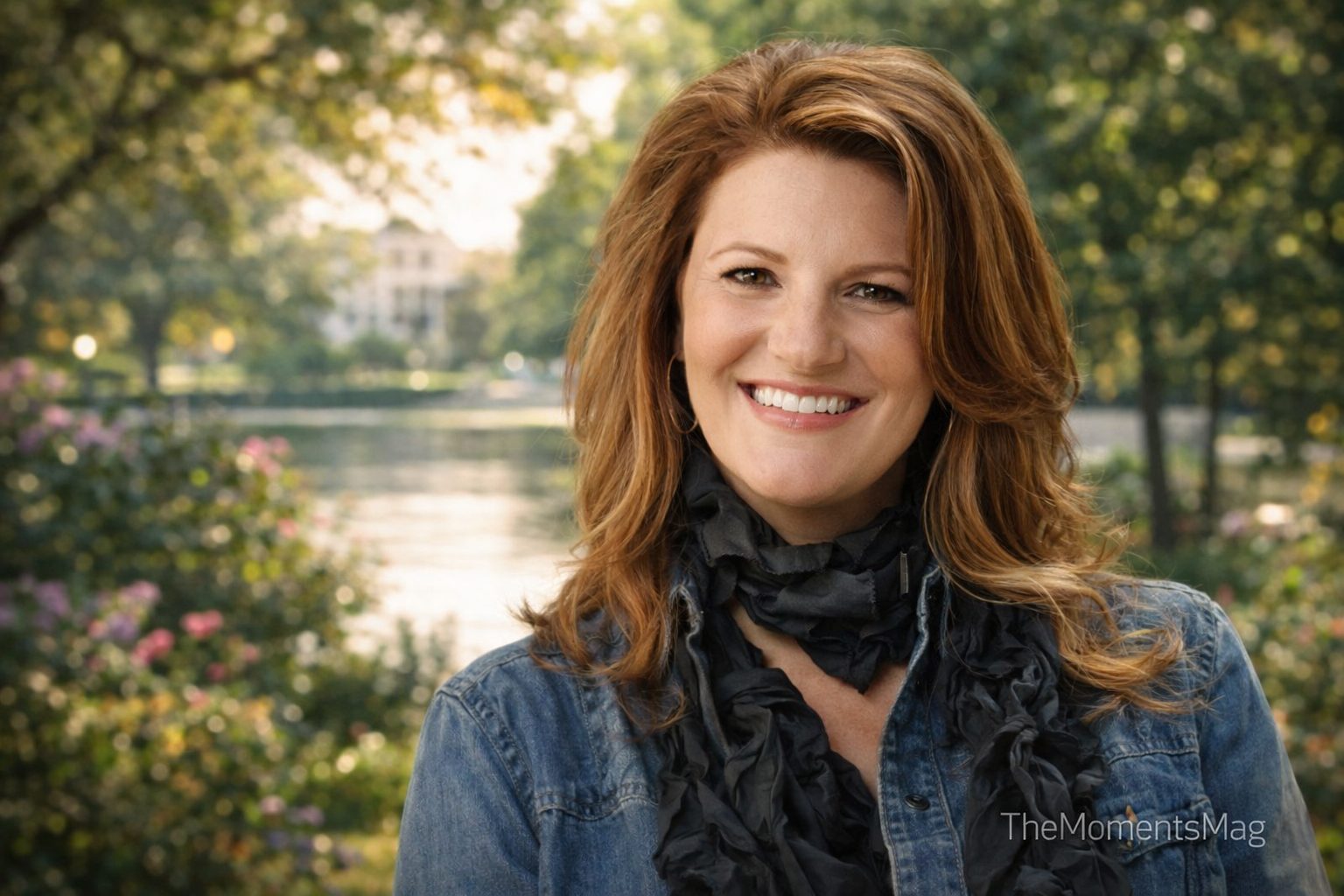
Martie Allen is not a household name in the traditional sense. She has never built a Hollywood career, launched a media empire, or maintained a public-facing persona. Yet her name continues to generate steady curiosity online. The reason is simple: Martie Allen is the longtime partner of former child star and Emmy-winning actress Kristy McNichol.
In a culture fascinated by celebrity relationships, Allen stands out precisely because she has chosen privacy over publicity. While many partners of famous figures leverage visibility into personal brands, Allen has done the opposite. She has remained largely out of the spotlight, even after her relationship became public in 2012 when McNichol officially came out as a lesbian.
This biography explores what is known about Martie Allen, the context of her life with Kristy McNichol, and the broader cultural significance of a relationship that quietly endured decades away from public scrutiny.
Early Life and Background
Compared to celebrities with meticulously documented childhoods and career timelines, Martie Allen’s early life remains mostly private. There are no widely published interviews detailing her upbringing, education, or formative years. This absence is not accidental. Allen has never actively sought public attention, and as a result, reliable information about her early background is limited.
What can be understood, however, is that Allen lived her life outside the entertainment industry’s glare long before her name entered mainstream conversation. Unlike many celebrity partners who come from acting, modeling, or music backgrounds, Allen did not build a career centered on fame.
This relative anonymity has often led to speculation online. Yet it is important to separate verifiable information from internet rumor. What remains clear is that Allen’s story becomes publicly visible only through her relationship with Kristy McNichol.
Meeting Kristy McNichol
Kristy McNichol was a major television presence in the 1970s and 1980s. She rose to prominence as a child actor and earned widespread acclaim for her role in the television drama Family. She later appeared in popular films and sitcoms, becoming one of the most recognizable young actresses of her era.
At the height of her fame, McNichol lived under intense public scrutiny. The entertainment industry of that time was far less accepting of LGBTQ+ identities than it is today. Many public figures chose silence over openness to protect their careers.
Although the exact timeline of when Martie Allen and Kristy McNichol met has not been widely detailed in reputable interviews, it is widely understood that their relationship began many years before it became public. Reports suggest they built a long-term partnership well before McNichol stepped away from Hollywood.
Their relationship developed during a period when privacy was often necessary for LGBTQ+ couples, especially when one partner had a highly visible public career. That context matters. For McNichol, whose fame began in childhood, maintaining personal boundaries was essential for emotional stability. For Allen, it meant living quietly alongside someone who had already experienced the pressures of stardom.
Life Away From Hollywood
In the late 1990s and early 2000s, Kristy McNichol gradually withdrew from acting. She later cited personal reasons, including her mental health and a desire for a different kind of life, as motivating factors. As McNichol stepped back from Hollywood, her life with Martie Allen remained largely shielded from public view.
This period marked a defining chapter in Allen’s life as well. Rather than stepping forward into media attention when McNichol left acting, Allen maintained the same level of privacy. There were no tell-all interviews, no magazine spreads, and no public tours of their personal life.
Instead, the couple reportedly focused on everyday routines and a stable domestic life. For many people, that might sound unremarkable. In the world of celebrity culture, however, it is notable. Stability and discretion are often difficult to sustain when public interest lingers.
Their ability to maintain a long-term relationship outside the spotlight reflects a deliberate choice. It suggests that Allen valued normalcy over notoriety and partnership over publicity.
The 2012 Public Announcement
Martie Allen’s name became widely recognized in January 2012 when Kristy McNichol publicly came out as a lesbian. The announcement was handled thoughtfully. McNichol stated that she wanted to be open about her identity in order to help young people who were being bullied for their sexual orientation.
In sharing her story, McNichol acknowledged her long-term relationship with Martie Allen. For many fans who had followed McNichol’s career for decades, this was the first time they learned about Allen.
The announcement was not framed as scandal or revelation. Instead, it was presented as a statement of authenticity and support for LGBTQ+ youth. In that moment, Allen’s name became part of a broader social conversation about acceptance, visibility, and mental health.
What stood out was how measured the announcement felt. There was no oversharing. The couple offered enough information to be honest but kept the details of their private life intact. Allen did not begin giving interviews or making public appearances following the news. Her visibility increased, but her lifestyle did not appear to change.
A Relationship Built on Longevity
One of the most compelling aspects of Martie Allen’s biography is the longevity of her partnership with Kristy McNichol. Long-term relationships are meaningful in any context. Within celebrity culture, they can be especially rare.
The entertainment industry has a reputation for intense schedules, constant travel, and media pressure that can strain even the strongest partnerships. That McNichol and Allen maintained a committed relationship for decades speaks to a shared foundation built away from cameras.
Longevity in this case is not simply about years together. It also reflects resilience. Their relationship spanned periods when public attitudes toward LGBTQ+ couples were far less accepting. It endured through McNichol’s transition from child star to adult actress and ultimately to private citizen.
For many observers, this stability is part of what makes Allen’s story compelling. She was not a temporary figure in a celebrity narrative. She was a consistent presence in McNichol’s life.
Navigating Privacy in the Digital Age
When Martie Allen first built her life with Kristy McNichol, social media did not exist. Celebrity coverage was driven by magazines and television. Today, digital platforms amplify curiosity at an unprecedented scale.
As internet searches for her name increased after 2012, numerous online biographies began circulating. Some included speculative details about her career, age, and finances. However, few of these claims trace back to verified primary sources.
Allen’s continued absence from interviews has left much of her biography unconfirmed. This gap has created space for guesswork. Yet the absence of detailed public records reinforces a key aspect of her identity: she did not choose public life.
Maintaining privacy in the digital era requires intentional effort. It suggests that Allen and McNichol carefully guard their boundaries. That choice aligns with McNichol’s earlier decision to step away from acting for personal well-being.
In many ways, Allen’s biography is as much about what she has declined to share as what is publicly known.
Cultural Significance
Although Martie Allen has never positioned herself as a public advocate, her relationship carries cultural significance. When McNichol came out, it occurred during a period when LGBTQ+ visibility in media was expanding but still evolving.
Representation matters not only in scripted television but in real lives. For fans who grew up watching McNichol, seeing her embrace authenticity later in life provided reassurance that it is never too late to live openly.
Allen’s presence in that story underscores another message: meaningful partnerships do not require public validation. Their relationship became visible in support of a cause, not for entertainment.
For LGBTQ+ individuals who came of age during eras of limited acceptance, long-term private relationships were common. Many couples chose discretion for safety and career protection. In that sense, Allen represents a generation that navigated love quietly, often without social support.
Today’s younger audiences may take greater visibility for granted. Allen’s story serves as a reminder of how much has changed and how much personal courage earlier generations carried silently.
Life Today
In recent years, Kristy McNichol has occasionally appeared in media retrospectives reflecting on her acting career. Martie Allen, however, continues to remain out of public view.
There is no active social media presence associated with her name that has been publicly confirmed. There are no high-profile appearances or interviews offering insight into her daily life.
This ongoing privacy suggests consistency. Allen has maintained the same approach before and after public acknowledgment. She appears to value stability over celebrity and intimacy over exposure.
For many observers, that consistency is admirable. It demonstrates that stepping into public awareness for a moment does not require surrendering personal boundaries indefinitely.
Conclusion
Martie Allen’s biography is unconventional because it is defined by discretion. She is best known as the longtime partner of Kristy McNichol, yet she has never sought to build an identity around public recognition.
Her life intersects with Hollywood history, LGBTQ+ visibility, and conversations about mental health and privacy. However, she remains grounded in a quieter narrative. Rather than chasing the spotlight, she has chosen to stand beside it.
In a world that often equates visibility with value, Martie Allen offers a different example. Her story suggests that significance does not always require constant exposure. Sometimes, it is found in commitment, stability, and the courage to protect one’s private life.
While many details about her background remain intentionally undisclosed, the broader outline of her life is clear. She built a lasting partnership during a time when openness carried risk. She supported a public coming-out moment aimed at protecting vulnerable youth. And she has continued to live with measured distance from fame.
That balance between visibility and privacy may be the most defining element of Martie Allen’s biography.

