

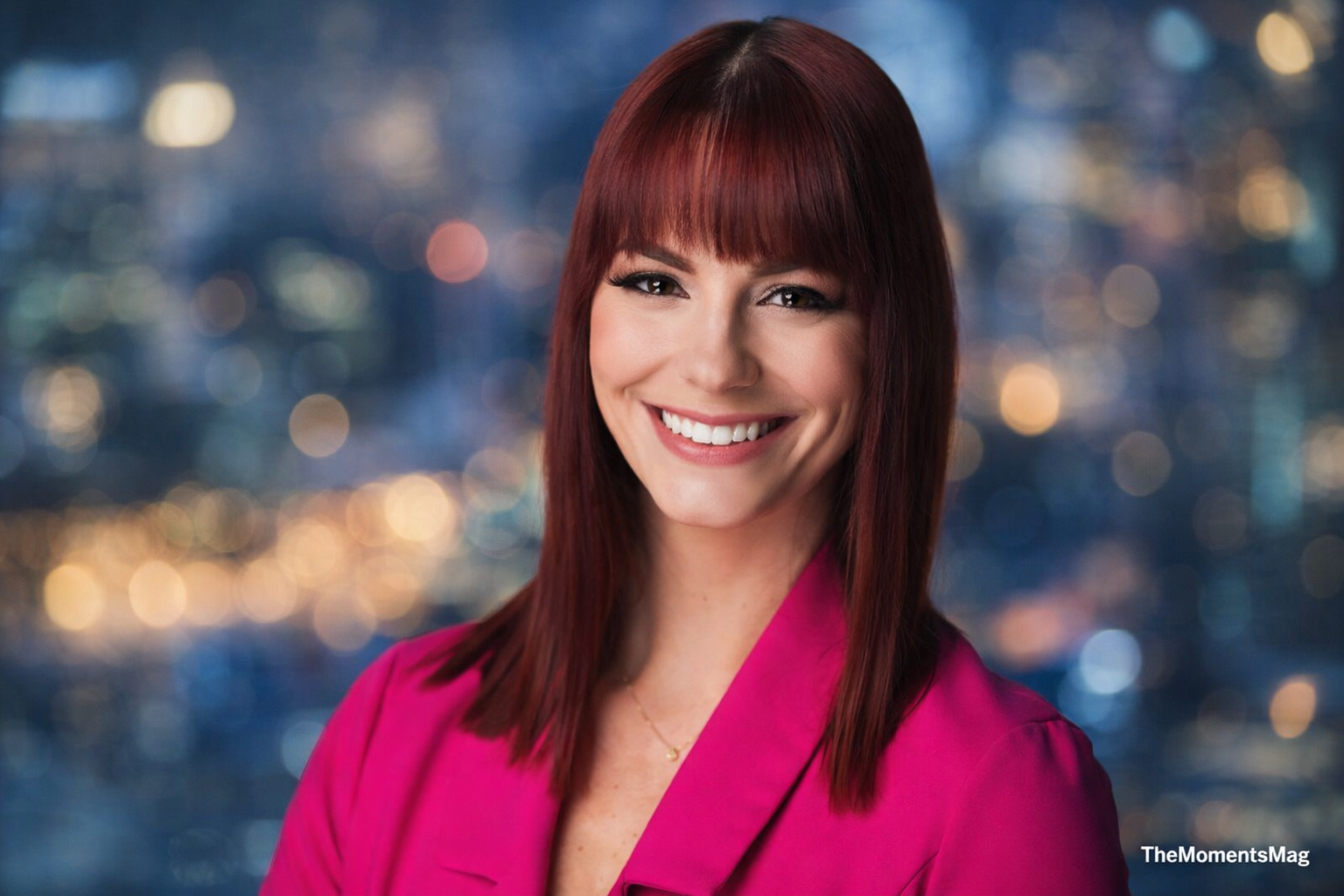
In Washington journalism, visibility is both a tool and a burden. Reporters who cover Congress live under constant scrutiny, yet they are trained to keep the spotlight firmly on others. Melanie Zanona has built her reputation exactly that way—by focusing relentlessly on power, process, and policy rather than on herself. Still, as her profile has grown through television appearances and high-impact reporting, public curiosity has followed. One question, in particular, continues to surface: Who is Melanie Zanona’s husband?
This interest is not unusual. Audiences often want to understand the personal foundations of people who explain the country’s most consequential decisions. At the same time, Zanona’s career offers a clear example of how modern journalists draw careful boundaries between their professional identity and their private lives. Looking at her husband, therefore, is less about gossip and more about understanding how privacy, partnership, and ambition coexist in one of the most demanding media environments in the world.
Melanie Zanona: A Career Built on Credibility, Not Celebrity
To understand why so little is publicly emphasized about Melanie Zanona’s husband, it helps to first understand Zanona herself. She is known primarily as a Capitol Hill reporter whose work has appeared across major political newsrooms. Over the years, she has covered leadership fights, legislative negotiations, and the daily mechanics of Congress with a reputation for accuracy and speed. Her reporting style is direct, unsentimental, and rooted in sourcing rather than opinion.
Today, she serves as a Capitol Hill correspondent for NBC News, a role that places her at the center of national political coverage. That visibility naturally invites attention, but Zanona has never cultivated a public persona beyond her work. Unlike commentators or media influencers, she does not rely on personal storytelling to establish authority. Her credibility comes from information, not intimacy.
That distinction matters. In journalism, especially political journalism, personal exposure can blur lines. Zanona’s decision to keep her private life out of her professional narrative reflects a long-standing newsroom ethic: the reporter should not become the story.
The Question of Her Husband and Why It Persists
Despite that ethic, interest in Melanie Zanona’s husband persists online. Searches for her name often include personal qualifiers—marriage, spouse, family—suggesting that audiences want a fuller portrait of the person behind the byline. This curiosity is partly a function of visibility. When journalists appear regularly on television, social media, and podcasts, viewers begin to experience a sense of familiarity. That familiarity can quickly turn into a desire for personal context.
Another reason the question persists is structural. The internet rewards completeness, even when information is limited. Biographical websites often attempt to fill every perceived gap, sometimes repeating unverified details simply because other sites have already done so. Over time, repetition can create the illusion of confirmation.
Zanona herself has not made her marriage a public topic. Her professional biographies, network profiles, and reporting work rarely, if ever, reference her personal relationships. This silence is not evasive; it is consistent with how many serious political reporters operate.
What Is Publicly Known About Melanie Zanona’s Husband
Within responsible boundaries, there are a few points that can be stated carefully. Melanie Zanona is widely reported to be married. Numerous biographical summaries identify her husband as Jason Robert, often using the full name Jason Robert Millison. While these references appear frequently across secondary biography sites, they are not typically highlighted in primary newsroom profiles or interviews.
Separately, there is credible public documentation of a Jason Millison working in Washington, D.C., in public engagement and communications roles connected to city government. This aligns with the general professional description that many biographical sources attribute to Zanona’s husband. Importantly, these details exist in public records and mainstream reporting unrelated to Zanona herself.
What is less clear—and rarely appropriate to speculate about—are the intimate details often attached to such profiles: timelines, family arrangements, or personal anecdotes. These are not confirmed through reputable journalistic sources, and repeating them adds little to understanding either Zanona’s work or her life.
The most responsible conclusion is also the simplest one. Melanie Zanona is married, and her husband appears to work in a communications-related field in Washington, D.C. Beyond that, she has chosen not to foreground her marriage in her public identity.
Life as the Partner of a Capitol Hill Reporter
Even without personal specifics, it is possible to describe the reality of being married to someone in Zanona’s position. Capitol Hill reporting is not a routine job. It involves unpredictable hours, constant deadlines, and a professional environment shaped by conflict and urgency. Major political developments do not respect evenings, weekends, or holidays.
A partner in that world often provides stability rather than visibility. Support takes the form of flexibility, patience, and an understanding that work frequently comes first, especially during legislative crises or election cycles. These partnerships are less about public appearances and more about managing the logistics and emotional weight of a high-pressure career.
In Washington, many couples work in adjacent professional spheres such as journalism, government, law, or communications. This proximity is common and does not automatically create conflicts of interest. News organizations manage such situations through internal disclosure and editorial safeguards rather than through public exposition.
Privacy as a Professional Choice
Zanona’s limited public discussion of her husband also reflects broader changes in journalism. In an era dominated by social media, many reporters are encouraged—implicitly or explicitly—to share more of themselves online. Personal posts can humanize journalists and help audiences connect with them. At the same time, they can expose reporters and their families to harassment, misinformation, or undue scrutiny.
Political reporters, in particular, face elevated risks. Their work can anger powerful figures and passionate audiences alike. Keeping family members out of the public eye is often a deliberate act of protection rather than secrecy. It allows journalists to do their jobs without turning their loved ones into collateral damage of public discourse.
Zanona’s approach suggests a clear philosophy: her work speaks for itself. The absence of personal detail is not a gap in her story; it is part of how she maintains professional focus and personal safety.
A Portrait Defined by Restraint
If this were a traditional celebrity biography, the absence of personal detail might feel incomplete. In the context of political journalism, it feels appropriate. Melanie Zanona has built a career defined by restraint, precision, and respect for boundaries. Her marriage exists alongside that career, not within it.
Her husband remains, by design, a private figure. He is not part of her professional brand, nor is he presented as a public extension of her work. That choice reinforces the idea that journalists do not owe audiences access to every part of their lives in exchange for trust.
In many ways, the limited information available about her husband tells its own story. It reflects a partnership that supports demanding public work without seeking the spotlight. It also reflects a journalist who understands that credibility is strengthened, not weakened, by knowing what to keep off the record.
Also Read: Nada Stepovich: Biography of John Stockton’s Private Partner
Conclusion
The question of Melanie Zanona’s husband reveals more about modern media culture than it does about her marriage. Zanona is a prominent political journalist whose work places her in front of national audiences, yet she has maintained a clear separation between her professional role and her personal life. She is widely reported to be married, and her husband is generally described as a communications professional based in Washington, D.C., but beyond those basics, she has chosen privacy.
That choice aligns with the traditions of serious political reporting and the realities of working in a high-risk, high-visibility environment. Rather than diminishing public trust, it underscores a commitment to keeping the focus where it belongs: on the news, not the journalist’s household.
In an age when personal exposure is often mistaken for authenticity, Melanie Zanona’s approach stands out. Her story, including the quiet presence of her husband, is not one of secrecy. It is one of discipline, professionalism, and respect for the line between public responsibility and private life.

