

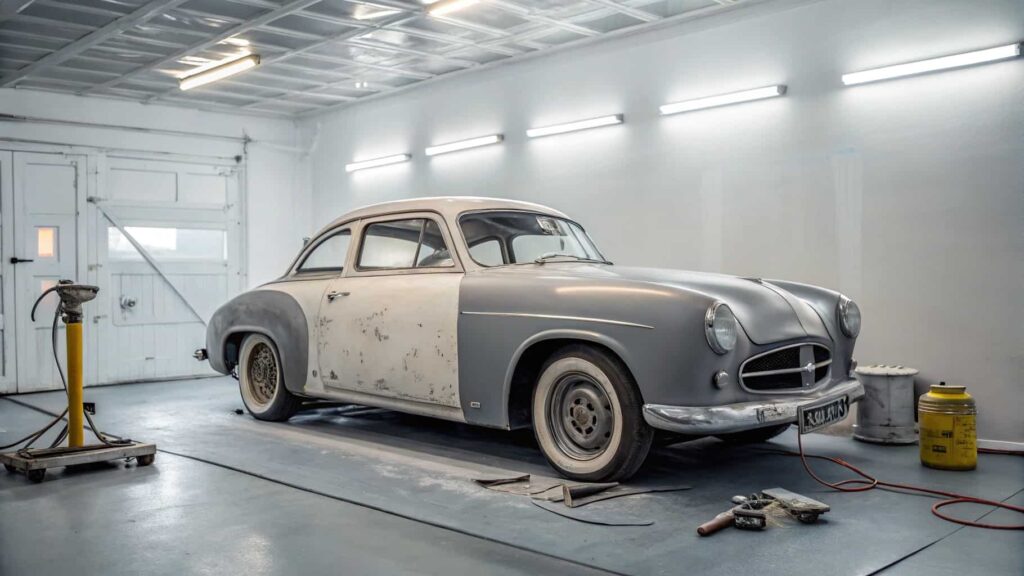
Owning a vintage car is more than just having a vehicle—it’s having a piece of history, a rolling testament to design, craftsmanship, and memories. But as any classic car owner knows, keeping an older vehicle in top shape requires patience, dedication, and know-how. With the right care, your vintage car can remain “old but gold” for years to come.
1. Regular Engine Checkups
The engine is the heart of any car, and vintage cars are no exception. Regular checkups are critical to prevent small issues from turning into major repairs. For older vehicles, pay close attention to oil changes, belts, and hoses. Oil, in particular, should be changed more frequently than modern cars, as older engines often run hotter and produce more wear. Always use the recommended type of oil for your classic car’s engine, and consider consulting a specialist who knows the nuances of vintage vehicles.
2. Keep Fluids Fresh
Beyond oil, other fluids like transmission fluid, brake fluid, coolant, and power steering fluid deserve attention. Old fluids can break down and lose effectiveness, which can harm the engine and other mechanical parts. Check fluid levels regularly and replace them according to the manufacturer’s recommendations or based on the car’s condition. Using high-quality fluids designed for older cars can extend the life of your vintage vehicle.
3. Brake Maintenance
Brakes are crucial for safety, and in older cars, the system may be more prone to wear. Inspect brake pads, drums, rotors, and brake lines regularly. If your car has drum brakes, consider upgrading to a modern system if safety is a concern—but if you’re keeping it original, ensure all components are in excellent condition. Bleeding the brakes to remove old air and debris from the lines is also important for consistent stopping power.
4. Tire Care
Old cars often sit for long periods, and tires can degrade even without miles on them. Check for cracks, dry rot, or uneven wear, and ensure tires are inflated to the correct pressure. If possible, store your car on jack stands to prevent flat spots and reduce strain on the suspension. Choosing tires compatible with vintage vehicles—not just modern replacements—helps preserve the original driving experience.
5. Protect the Exterior
The body of a vintage car is often the most eye-catching feature, but it’s also vulnerable to rust and fading. Wash and wax your car regularly to protect the paint and chrome. If you notice any rust, treat it immediately to prevent it from spreading. Parking in a garage or under a car cover protects the vehicle from UV damage, moisture, and other environmental hazards. Don’t forget smaller details like polishing trim and maintaining seals, as these subtle touches keep a vintage car looking showroom-ready.
6. Interior Preservation
Leather seats, wood dashboards, and fabric interiors require special care. Use appropriate cleaners and conditioners to prevent cracking or fading. Keeping the interior clean not only preserves aesthetics but also maintains resale value. Consider using sunshades to protect the dashboard from prolonged sun exposure and moisture absorbers to prevent mildew, especially in humid climates.
7. Electrical System Check
Older cars can experience electrical issues due to worn wiring, corrosion, or outdated components. Check lights, fuses, and connections regularly. Upgrading to modern wiring harnesses or using corrosion-resistant terminals can improve reliability while maintaining the car’s originality. A well-maintained electrical system ensures your vintage car starts reliably and that all features work as intended.
8. Auto Glass and Visibility
Maintaining visibility is vital, and cracks or chips in your windshield can compromise safety. If you’re in Kaysville, Utah, seeking professional assistance for auto glass repairs or replacements is a smart move. A clear, well-maintained windshield not only keeps you safe but also preserves the classic lines and appearance of your vehicle.
9. Drive It, Don’t Just Store It
One common mistake vintage car owners make is letting the vehicle sit idle for months. Driving your car regularly keeps the engine lubricated, prevents seals from drying, and maintains battery health. Even short drives around town can make a big difference in keeping your car mechanically sound.
10. Find a Specialist
Vintage vehicles often require expertise beyond that of a standard mechanic. Finding a specialist who understands your car’s model and era can save time, money, and headaches. Whether it’s sourcing hard-to-find parts or providing precise maintenance, a professional who loves vintage cars as much as you do is invaluable.
Owning a vintage car is a labor of love, but with the right care, it’s a rewarding experience. From regular engine checkups to protecting the paint, tires, interior, and even auto glass, every step you take ensures your “old but gold” car remains a joy to drive and admire. Treat your classic vehicle with attention and respect, and it will reward you with years of nostalgia and timeless charm.


