

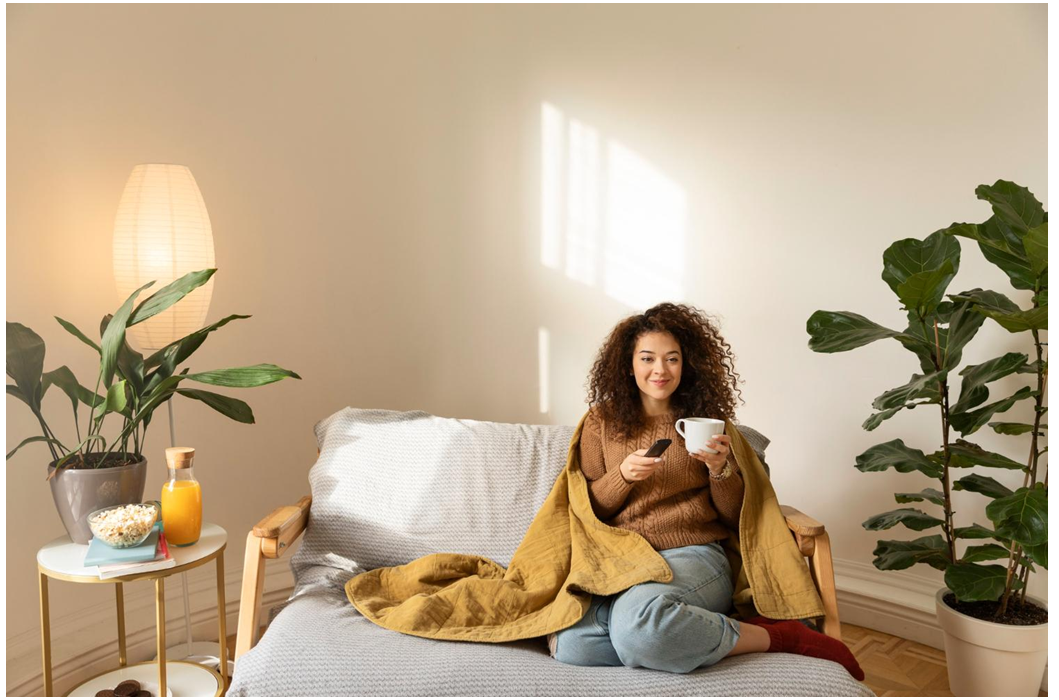
Lifestyle choices are often shaped by subtle details rather than dramatic statements. The way a space feels in the evening, how a gathering flows, or how a home supports everyday routines all contribute to personal style just as much as clothing or décor. These nuances matter because style is rarely limited to what you wear; it extends into how you live.
For many households, that broader sense of style now includes practical decisions about comfort and independence. Energy reliability, for instance, has become part of the backdrop of modern living. Whether someone lives in a rural setting, travels seasonally, or simply values self-sufficiency, solutions like off grid solar kits can fit naturally into a lifestyle built around intention rather than excess. They sit quietly alongside other household choices, supporting daily life without becoming its focal point.
This blending of practicality and aesthetics reflects a shift in how people define “living well.” It’s less about showcasing systems and more about ensuring that the environment supports moments of relaxation, connection, and celebration.
Creating Memorable Moments Without Overthinking the Details
Entertaining at home has always been about balance. Hosts want gatherings to feel effortless, even though a fair amount of planning usually happens behind the scenes. Lighting, music, food, and timing all influence whether an evening feels special or forgettable. The best events are the ones where guests sense care and intention, not logistics.
Occasionally, a celebration calls for something visually striking to mark the moment. In those cases, hosts might glance at details like roman candle firework price when planning a holiday gathering or milestone event, treating it as one small line item among many rather than the centerpiece of the occasion. The goal isn’t spectacle for its own sake, but creating a shared memory that feels appropriate to the setting and the people involved.
This mindset aligns with broader guidance on safe and thoughtful celebrations. The Consumer Product Safety Commission regularly emphasizes that memorable events come from preparation and awareness rather than excess. Their seasonal advisories underline that responsible planning allows people to focus on enjoyment instead of risk.
Practical Choices as Part of Personal Style
What’s interesting about modern lifestyle planning is how seamlessly functional decisions blend into personal expression. Choosing how a home is powered, organized, or maintained says just as much about priorities as selecting furniture or color palettes. These decisions are rarely made for display; they are made for peace of mind.
Energy choices are a good example. Reliable, self-contained systems support flexible routines, whether that means hosting friends without worrying about outages or enjoying quiet evenings uninterrupted. The National Renewable Energy Laboratory has noted in recent consumer-focused publications that residential energy solutions are increasingly adopted not only for efficiency, but for lifestyle resilience. People value systems that adapt to them, not the other way around.
This approach mirrors trends across other areas of home life. Smart storage, modular furniture, and adaptable lighting all aim to reduce friction. They don’t draw attention to themselves; they simply make everyday living smoother.
Celebrations That Reflect Personality
Image from Freepik
Style-driven living doesn’t mean every moment has to be curated. In fact, the most appealing homes often feel lived-in rather than staged. Celebrations follow the same principle. A gathering that reflects the host’s personality will always feel more authentic than one built around trends.
Some people prefer understated dinners, others enjoy lively outdoor events. The common thread is intention. When choices are made thoughtfully, even small details feel cohesive. Guests may not consciously notice why an evening feels balanced, but they sense it.
Sociological research from the Pew Research Center suggests that shared experiences, rather than material display, are what people remember most from social gatherings. This reinforces the idea that style is less about what is used and more about how moments are shaped.
Long-Term Thinking in Everyday Living
A recurring theme in contemporary lifestyle design is long-term thinking. Instead of chasing novelty, many people focus on durability, adaptability, and relevance over time. This applies to wardrobes, interiors, and the systems that support daily routines.
Homes designed with this mindset age more gracefully. They accommodate change without constant reinvention. Events hosted in these spaces feel grounded rather than forced. The environment supports the experience instead of competing with it.
Urban design studies published by the World Economic Forum highlight that resilience and adaptability are increasingly viewed as markers of quality living. While their research often focuses on cities, the same principles apply at the household level.
Style That Supports, Rather Than Distracts
At its core, modern style is about alignment. When surroundings, routines, and values work together, life feels less fragmented. Practical systems fade into the background, celebrations feel natural, and personal spaces become places of genuine comfort.
This is why lifestyle choices today often prioritize quiet reliability over visible complexity. The best-designed homes and gatherings don’t announce how much thought went into them. They simply feel right. In that sense, style becomes less about presentation and more about how seamlessly life unfolds within the space you’ve created.