

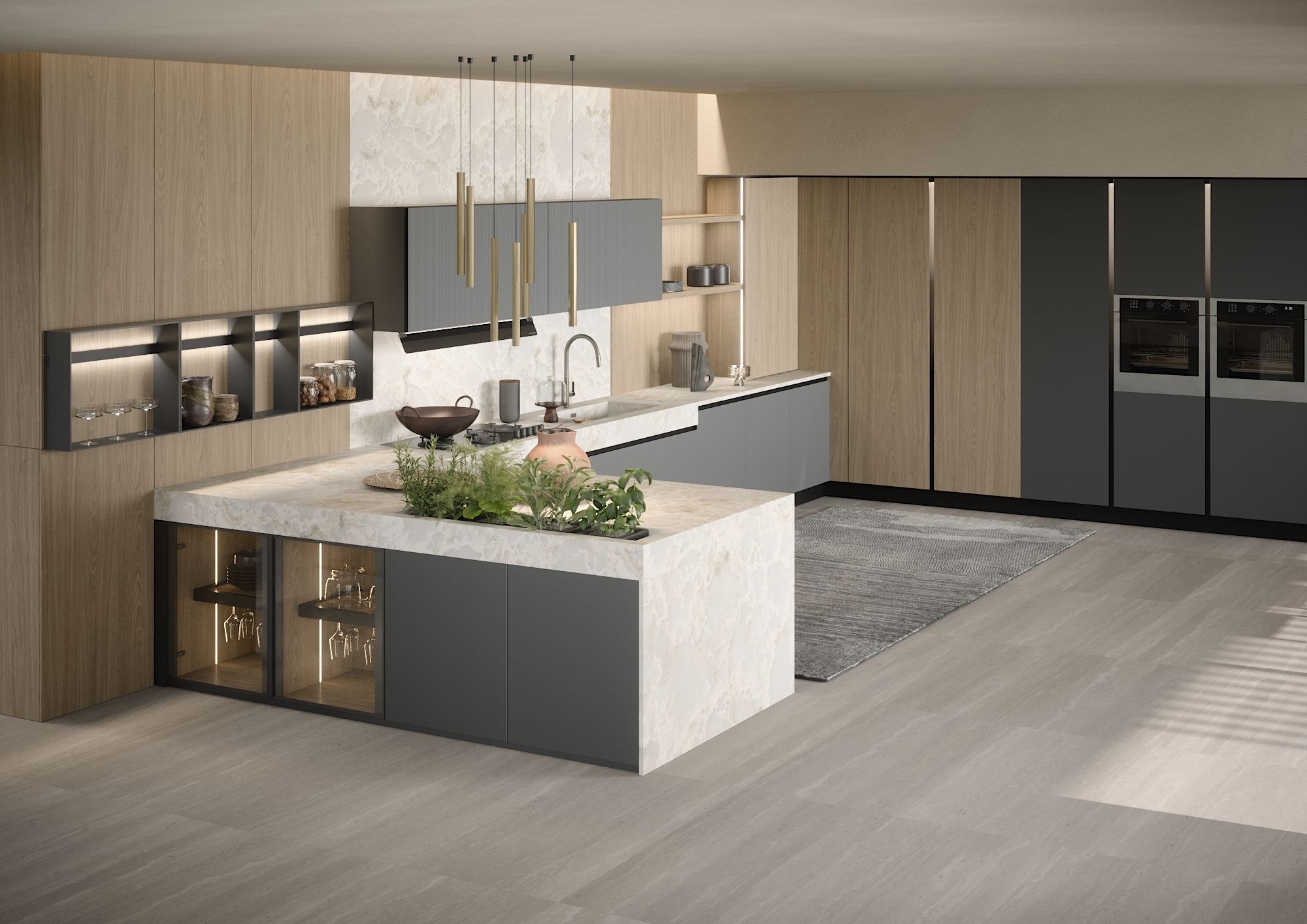
The kitchen is often called the heart of the home, and for good reason. It’s where meals are prepared, conversations unfold, morning routines start, and evening wind-downs happen. Yet many kitchens, even ones that technically function, fail to support the way people live. Cramped layouts, awkward storage, poor lighting, and traffic bottlenecks silently wear on daily routines. That’s when thoughtful design becomes transformative.
Many homeowners exploring how to improve their homes begin with Portland kitchen remodeling, not just to update appearances, but to fundamentally elevate usability, comfort, and flow. A well-designed kitchen changes how families cook, connect, entertain, and simply exist together.
But what makes a kitchen genuinely better? It’s not just appliances or finishes. It’s how choices align with real life.
Kitchens that support real routines
Most kitchen design begins with tradition rather than lived experience. The classic layout that served past generations may not accommodate the many roles a kitchen plays today. Today’s kitchens often need to support multiple cooks, children doing homework at the counter, casual dining, and social gatherings all in one space.
Rather than settling for what looks good on a design board, the best remodels start by observing how people actually use the space. Where do bottlenecks form? Which areas feel overly crowded? Which functions feel disconnected? Answers to these questions shape design decisions that improve everyday use.
A kitchen that anticipates movement, where the cook doesn’t feel in the way of others, feels more spacious and purposeful even without adding square footage.
Rethinking layout for better flow
Layout is the backbone of kitchen function. A beautiful design without coherent flow is like a sophisticated tool you don’t know how to use. Practical layout design considers traffic patterns, task zones, sightlines, and ease of movement.
The classic work triangle, connecting stove, sink, and refrigerator remains a useful concept. But modern kitchens often require deeper thinking. Islands, brunch bars, and secondary prep zones add complexity and flexibility. Designers also consider how the kitchen connects to adjacent spaces like the dining area or living room, making transitions smoother.
When zones are logically arranged and movement feels intuitive, the kitchen supports life rather than interrupts it.
Lighting tuned for function and mood
Lighting shapes how a kitchen feels more than any other design element. Poor lighting can make even a well-designed kitchen feel drab and awkward to use. Good lighting serves multiple purposes: it makes tasks safe and efficient, enhances ambiance, and visually expands space.
Layered lighting combines ambient, task, and accent layers. Ambient lighting provides general illumination. Task lighting, especially under-cabinet lights ensures work zones are bright enough for detailed tasks. Accent lighting highlights architectural features, shelves, or unique finishes.
Natural light plays an outsized role as well. Well-placed windows and thoughtful skylight design bring daylight deeper into the space, improving both visibility and mood without increasing energy use.
Storage that truly works
Clutter isn’t a design flaw, it’s a storage problem. Kitchens naturally generate items: small appliances, utensils, containers, dishes, pantry staples, and more. Without intentional storage, counters fill up, drawers overflow, and the space begins to feel crowded.
Effective kitchen storage is both plentiful and organized. Deep drawers for pots and pans, vertical slotted spaces for baking sheets, dedicated spice cabinets, pull-out pantry shelves, and appliance garages help keep surfaces clear and items accessible. Storage should feel like a system, not an afterthought.
When everything has a designated place that makes sense for how it’s used, the kitchen feels calmer and easier to maintain.
Materials that balance beauty and durability
Kitchens endure heavy use. Countertops see spills and heat, floors face frequent traffic, and cabinets get pulled open dozens of times a day. Choices that look good but wear poorly can make a kitchen feel old long before it actually ages.
Durable materials like quartz countertops, porcelain tile floors, and moisture-resistant cabinetry are investments in function as well as aesthetics. These materials resist stains, scratches, and wear, maintaining comfort and beauty year after year.
Balancing aesthetics with performance ensures that the kitchen remains inviting without constant upkeep.
Appliances in harmony with design
Modern appliances offer features that simplify everyday tasks, but their placement and integration matter just as much as performance. A powerful range without adequate ventilation or nearby prep space can feel awkward. A refrigerator that blocks traffic flow can turn a simple meal into an exercise in direction changes.
Kitchen remodeling brings these elements together, appliances, storage, lighting, and layout in a way that feels coordinated rather than haphazard. Appliances should support natural workflows, and their placement should enhance, not interrupt, the rhythm of use.
Comfort for everyone in the space
Kitchens are no longer exclusively work zones. They are social spaces where families connect, friends gather, and life happens. This social role influences design decisions. Islands with seating invite connection without crowding. Open sightlines to living and dining areas enhance communication. Quiet corners become nook spaces for coffee or quick chats.
This human-centered approach means the kitchen feels like more than a tool for cooking, it becomes a space that supports community, comfort, and engagement.
Designing for adaptability and longevity
Life changes, and kitchens should be able to adapt. Flexible design elements make spaces future-ready. Adjustable shelving, movable islands, and multifunctional counters allow kitchens to evolve with lifestyle shifts, whether that’s adding a new cook to the family, accommodating changing dietary preferences, or adapting for accessibility needs.
Designers who plan with adaptability in mind help homeowners avoid repeated remodels or feeling locked into outdated layouts.
Hidden systems that matter
While finishes and fixtures catch the eye, a kitchen remodel also provides an opportunity to improve underlying systems. Plumbing upgrades, updated electrical capacity, improved ventilation, and enhanced insulation all contribute to performance and comfort.
These systems operate behind the scenes, but they affect everyday experiences. A well-ventilated kitchen feels fresher. Upgraded plumbing ensures consistent water pressure. Enhanced electrical capacity supports modern appliances without nuisance trips.
Addressing these systems simultaneously with design prevents future disruptions and makes the kitchen function as seamlessly as it looks.
Practical budgeting and prioritization
Budget planning is a key part of any remodeling project. The most successful remodels start with clear priorities. Homeowners often balance multiple goals: improved layout, better storage, lighting upgrades, and finishes that elevate style. Dividing the budget into functional categories rather than allocating most funds to surface upgrades ensures that the kitchen works as well as it looks.
Working with experienced professionals early helps clarify which investments deliver the greatest everyday value. Layout changes and storage upgrades often yield a bigger improvement in comfort than splurging on premium finishes alone.
The role of collaboration
Kitchens combine many technical disciplines: cabinetry, electrical, plumbing, lighting, ventilation, and structural coordination. Early collaboration with designers, remodelers, and tradespeople aligns vision with reality. It helps anticipate challenges and avoid costly revisions mid-project.
A collaborative approach leads to smoother projects and results that feel cohesive and well thought out.
The emotional impact of a well-designed kitchen
A successful kitchen remodel affects how a home feels emotionally as much as physically. A space that feels intuitive, easy to use, and comfortable enhances daily routines without drawing attention to itself. Homeowners often describe well-designed kitchens as feeling right, even if they can’t immediately articulate why.
This emotional comfort comes from thoughtful decisions that reduce friction, improve light and flow, and create a sense of space that supports how people live rather than how they think they should live.
Kitchen remodeling is about more than updating surfaces. It addresses how life unfolds day by day, from morning coffee rituals to dinner prep and shared conversations. When design focuses on real use, thoughtful choices create spaces that feel natural, comfortable, and enduring.
The right combination of layout, lighting, storage, materials, and usability turns a kitchen into a space that not only supports daily routines but enhances them.
Whether your goal is improved efficiency, better comfort, or a style that reflects your personality, kitchen remodeling is an investment in how you live, every single day.


