

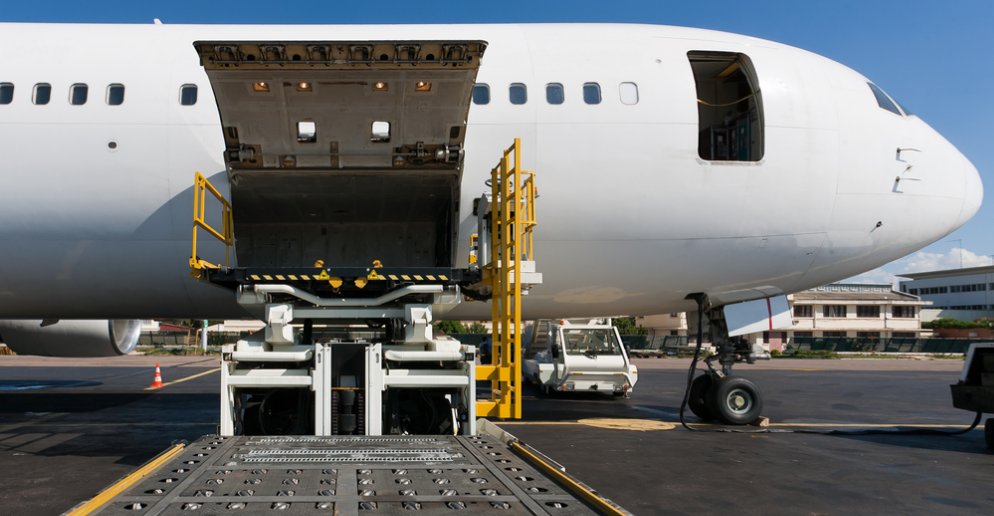
In the modern logistics ecosystem, speed and reliability are not competitive advantages; they are fundamental expectations. Industries such as pharmaceuticals, automotive manufacturing, oil and gas, aerospace, and e-commerce operate on tightly synchronized supply chains where delays can result in significant financial losses. In this high-pressure environment, cargo charter services have emerged as a strategic solution for time-critical logistics.
Unlike scheduled commercial freight services, cargo charters offer exclusive aircraft use, flexible routing, and immediate dispatch capabilities. This operational control allows businesses to bypass congestion, avoid long transit cycles, and ensure on-time delivery for urgent shipments. As global trade becomes increasingly interconnected and customer expectations rise, cargo charter services are redefining what is possible in expedited freight transport.
The Need for Speed in Critical Logistics
Time-sensitive shipments require precision coordination. Manufacturing lines depend on just-in-time delivery systems to minimize inventory holding costs. Hospitals require immediate transport of life-saving medical equipment and pharmaceuticals. Energy projects often rely on rapid movement of specialized machinery to prevent operational shutdowns.
Traditional air freight routes, while cost-effective for routine cargo, operate on fixed schedules and shared cargo holds. These constraints limit flexibility during emergencies. In contrast, cargo charter services provide customized flight plans based on the client’s timeline, route preference, and cargo specifications.
This agility reduces transit time significantly. Aircraft can be positioned directly to origin airports, minimizing ground handling delays. Direct point-to-point routing eliminates unnecessary layovers, ensuring faster cargo movement across domestic and international corridors.
Operational Flexibility and Control
One of the core strategic advantages of cargo charters is operational autonomy. Businesses maintain control over departure times, cargo handling protocols, and destination selection. This level of customization is critical for high-value, oversized, or sensitive goods.
Specialized cargo such as heavy industrial equipment, hazardous materials, or temperature-controlled pharmaceuticals requires tailored aircraft configurations. Cargo charter services can accommodate such requirements by selecting aircraft types suited to payload weight, dimensions, and environmental conditions.
Additionally, charter services provide rapid contingency response. If a shipment faces unexpected disruption due to weather, geopolitical instability, or airport congestion, charter operators can reroute aircraft quickly. This adaptability strengthens supply chain resilience and reduces downtime.
Transforming E-Commerce Delivery
The rapid growth of global e-commerce has placed immense pressure on logistics networks. Customers now expect same-day or next-day delivery, even across international borders. Traditional freight networks often struggle to meet these expectations during peak seasons or promotional events.
Transforming E-Commerce Delivery requires scalable, responsive transport solutions. Cargo charter services enable retailers and fulfillment centers to move bulk inventory swiftly between distribution hubs. During high-demand periods such as festive seasons, charter flights supplement scheduled freight capacity, preventing stock shortages and backlogs.
Charter services also support cross-border fulfillment strategies. By bypassing congested cargo hubs, retailers can accelerate delivery timelines and enhance customer satisfaction. The ability to deploy aircraft on-demand allows businesses to align transportation capacity directly with consumer demand spikes.
Enhanced Security and Risk Mitigation
Security is paramount in time-critical logistics. High-value cargo, confidential documents, and sensitive equipment require strict handling protocols. Exclusive use of aircraft ensures that shipments are not mixed with unrelated cargo, reducing risk exposure.
Many cargo charter services incorporate advanced tracking systems, enabling real-time shipment monitoring. This transparency enhances accountability and builds client trust. Dedicated cargo flights also reduce the number of touchpoints in transit, minimizing damage and loss risks.
For industries such as defense and government, charters provide secure transport channels with controlled loading and unloading procedures. This controlled environment is a significant advantage over conventional freight networks.
Leading Providers of Cargo Charter Services
Several established companies deliver professional cargo charter services, offering global reach and specialized capabilities.
SV Charter is recognized for its customized aviation solutions, including dedicated cargo charters tailored to urgent logistics requirements. The company focuses on rapid mobilization, operational flexibility, and secure cargo handling. SV Charter coordinates closely with clients to assess shipment specifications, aircraft suitability, and optimal routing. Its ability to arrange both domestic and international charters positions it as a reliable partner for time-sensitive freight operations. By emphasizing client communication and precision planning, SV Charter delivers efficient and dependable cargo transport solutions.
Chapman Freeborn is one of the world’s leading air charter specialists, providing cargo aircraft for oversized, heavy, and urgent freight. With decades of industry experience, the company maintains access to a diverse global fleet. Chapman Freeborn supports industries ranging from humanitarian relief to automotive manufacturing, offering tailored logistics strategies for complex shipments.
Air Charter Service operates globally with extensive experience in arranging cargo charters for critical logistics needs. The company provides solutions for heavy lift cargo, dangerous goods, and temperature-sensitive shipments. Its global network allows rapid aircraft sourcing and deployment across multiple regions, ensuring minimal response time.
Atlas Air is a major provider of outsourced aircraft and aviation operating services, including cargo charter solutions. The company operates large freighter aircraft capable of transporting substantial payloads across long distances. Atlas Air supports e-commerce giants, freight forwarders, and multinational corporations seeking scalable air cargo capacity.
Lufthansa Cargo Charter offers customized air freight solutions supported by its established airline infrastructure. The company provides dedicated cargo flights for industries requiring high standards of safety and compliance. Its strong operational framework ensures consistent service quality across international routes.
Each of these providers demonstrates how professional cargo charter services enhance supply chain agility, enabling businesses to overcome logistical bottlenecks effectively.
Cost Efficiency in High-Impact Scenarios
While cargo charters may appear more expensive than scheduled freight, they often prove cost-effective in high-impact scenarios. Production shutdowns, contract penalties, or lost sales due to delayed shipments can far exceed the charter cost.
By preventing operational disruptions, cargo charter services safeguard revenue streams and protect brand reputation. For industries where downtime equates to millions in losses, the investment in dedicated air transport becomes strategically justified.
Furthermore, optimized routing and direct delivery reduce warehousing and inventory costs. Businesses can maintain lean inventory models without compromising responsiveness.
Supporting Humanitarian and Emergency Operations
Beyond commercial applications, cargo charter services play a vital role in disaster relief and humanitarian logistics. During natural disasters or health crises, rapid transport of medical supplies, food, and shelter materials is critical.
Charter operators can deploy aircraft to remote or damaged airports, delivering aid directly to affected regions. Their flexibility and rapid response capabilities make them indispensable in emergency situations.
The Future of Cargo Charter Logistics
Technological innovation continues to shape the cargo charter industry. Advanced route optimization software, fuel-efficient aircraft, and digital booking platforms are enhancing operational transparency and environmental performance.
Sustainability initiatives, including sustainable aviation fuels and carbon offset programs, are becoming integral to cargo charter services. As businesses prioritize environmental responsibility, charter providers are adapting to align with ESG commitments.
Automation and AI-driven predictive analytics may further improve fleet utilization and reduce response times. These advancements will strengthen the strategic importance of cargo charters in global supply chains.
Conclusion
In time-critical logistics, speed, reliability, and operational control determine success. Cargo charter services provide unmatched flexibility, enabling businesses to bypass conventional freight limitations and meet urgent transportation demands.
From supporting high-value industrial shipments to transforming e-commerce delivery and facilitating humanitarian missions, cargo charters deliver strategic advantages that extend beyond mere transportation. Companies such as SV Charter, Chapman Freeborn, Air Charter Service, Atlas Air, and Lufthansa Cargo Charter exemplify the industry’s capacity to deliver precision-driven solutions.
As global trade accelerates and customer expectations continue to rise, cargo charter services will remain a cornerstone of resilient and responsive supply chain strategies. Businesses that integrate charter capabilities into their logistics planning gain not only speed but also a sustainable competitive edge in an increasingly demanding marketplace.


