

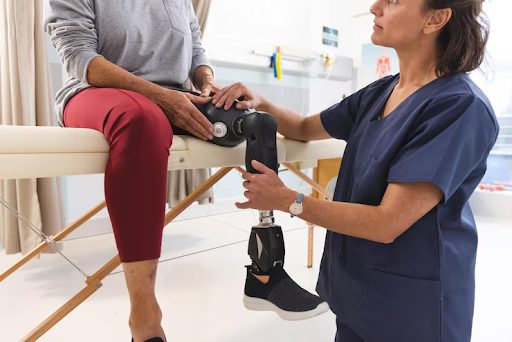
Selecting the right prosthetics clinic is one of the most important decisions a person can make when adapting to life with limb loss or limb difference. A high-quality clinic doesn’t just fit a prosthetic device— it supports your long-term mobility, comfort, confidence, and overall wellbeing. Whether you are new to prosthetic services or seeking a second opinion, these tips will help you choose a prosthetics clinic in Florida that suits your needs.
1. Look for Certified and Experienced Prosthetists
A clinic’s clinical team should be led by qualified prosthetists who hold recognised certifications such as:
- Board Certification by the American Board for Certification in Orthotics, Prosthetics & Pedorthics (ABC)
- Certification through the Board of Certification/Accreditation (BOC)
Certification ensures that practitioners have met national standards for education, clinical experience, and technical skill. Experience matters, particularly with complex fittings or advanced prosthetic technology.
2. Evaluate the Range of Prosthetic Services

Not all prosthetic clinics provide the same services. Choose one that offers a broad spectrum of support, such as:
- Initial consultation and assessment
- Custom device design and fabrication
- Fitting and alignment
- Follow-up and adjustment appointments
- Physical therapy coordination
- Socket comfort optimisation
- Specialized components (microprocessor knees, energy-return feet, upper limb devices)
A clinic that provides complete prosthetic services can address evolving needs over time and reduce the need to visit multiple providers.
3. Prioritise Clinics With Personalised Treatment Plans
Every individual has unique anatomy, lifestyle goals, and functional needs. A trusted prosthetics clinic in Florida should design customised solutions rather than relying on “one-size-fits-all” devices. During your first visit or consultation, assess whether the team takes time to:
- Listen to your concerns
- Understand your daily activities and long-term goals
- Explain prosthetic options clearly
- Provide a tailored care plan
A personalised approach fosters comfort, functional success, and long-term satisfaction.
4. Review Prosthetic Technology and Innovation
Prosthetic technology is rapidly advancing. Modern devices improve mobility, stability, and comfort. Ask whether the clinic offers access to current prosthetic components, such as:
- Microprocessor-controlled joints
- Hydraulic or pneumatic knee systems
- Energy-return prosthetic feet
- Advanced socket designs
- Myoelectric upper limb devices
The right technology can significantly enhance your functional independence and quality of life.
5. Assess Clinic Facilities and Equipment
A reliable prosthetics clinic should have up-to-date facilities that support comprehensive care, including:
- On-site fabrication and modification labs
- Gait analysis or motion assessment equipment
- Comfortable fitting and adjustment rooms
- Accessibility features for patients with mobility challenges
Seeing modern equipment and a well-organised workspace often reflects the clinic’s commitment to quality and patient comfort.
6. Ask About Follow-Up Care and Adjustments
Prosthetic care is not a single appointment—it’s a continuing relationship. The clinic you choose should offer regular follow-up visits to:
- Adjust fit and alignment as your body changes
- Troubleshoot discomfort or pressure points
- Update components with technological improvements
- Provide training or physical therapy referrals
Good follow-up care promotes long-term success and helps prevent skin issues, pain, or compensatory injuries.
7. Consider the Clinic’s Reputation and Reviews
Patient testimonials and reviews from other amputees can provide valuable insight into a clinic’s service quality. Look for feedback on:
- Communication and responsiveness
- Comfort of fittings
- Long-term follow-up
- Professionalism of staff
- Overall satisfaction with prosthetic outcomes
Consistent positive feedback suggests a trustworthy prosthetics clinic in Florida.
8. Check Insurance Compatibility and Cost Transparency
Prosthetic services often involve significant costs, and insurance coverage varies widely. A good clinic should help you:
- Understand your insurance benefits
- Navigate paperwork and pre-authorisations
- Provide clear quotes for devices and services
- Explain any out-of-pocket expenses
Transparent communication about costs ensures you make decisions with confidence and financial clarity.
9. Evaluate Communication and Support
Strong communication between you and your prosthetic provider is vital. A supportive clinic will:
- Explain options in understandable language
- Answer questions thoroughly
- Provide educational resources
- Respect your input and concerns
Good rapport fosters trust and helps you feel empowered during your prosthetic journey.
10. Look for Integration With Rehabilitation Services
Many patients benefit from coordinated care involving physical therapists, occupational therapists, and rehabilitation specialists. A clinic that works closely with rehab providers helps ensure:
- Smooth transition from hospital to home
- Strength and balance training with your prosthesis
- Faster adaptation to daily activities
Integration with rehabilitation support improves functional confidence and quality of life.
11. Visit the Clinic in Person Before Committing

Whenever possible, schedule a consultation or clinic tour before making a final decision. In-person visits allow you to:
- Meet the clinical team
- Evaluate the environment
- Ask questions about process and expectations
- Discuss your personal goals
A strong first impression and positive interaction can give you peace of mind about your choice.
12. Trust Your Comfort and Instincts
Finally, trust yourself. If you feel rushed, ignored, or unclear about your options during the initial consultation, it’s okay to seek a second opinion. A trusted prosthetics clinic makes you feel heard, respected, and supported.
Final Thoughts
Choosing a prosthetics clinic in Florida is a meaningful step towards regaining mobility, independence, and confidence. The right clinic will combine professional expertise, personalised care, technological options, and ongoing support to help you achieve your functional goals.
Look for certified practitioners, comprehensive services, clear communication, and a reputation for quality outcomes. With thoughtful evaluation and the right team by your side, you can pursue prosthetic services that truly fit your life and aspirations.


