

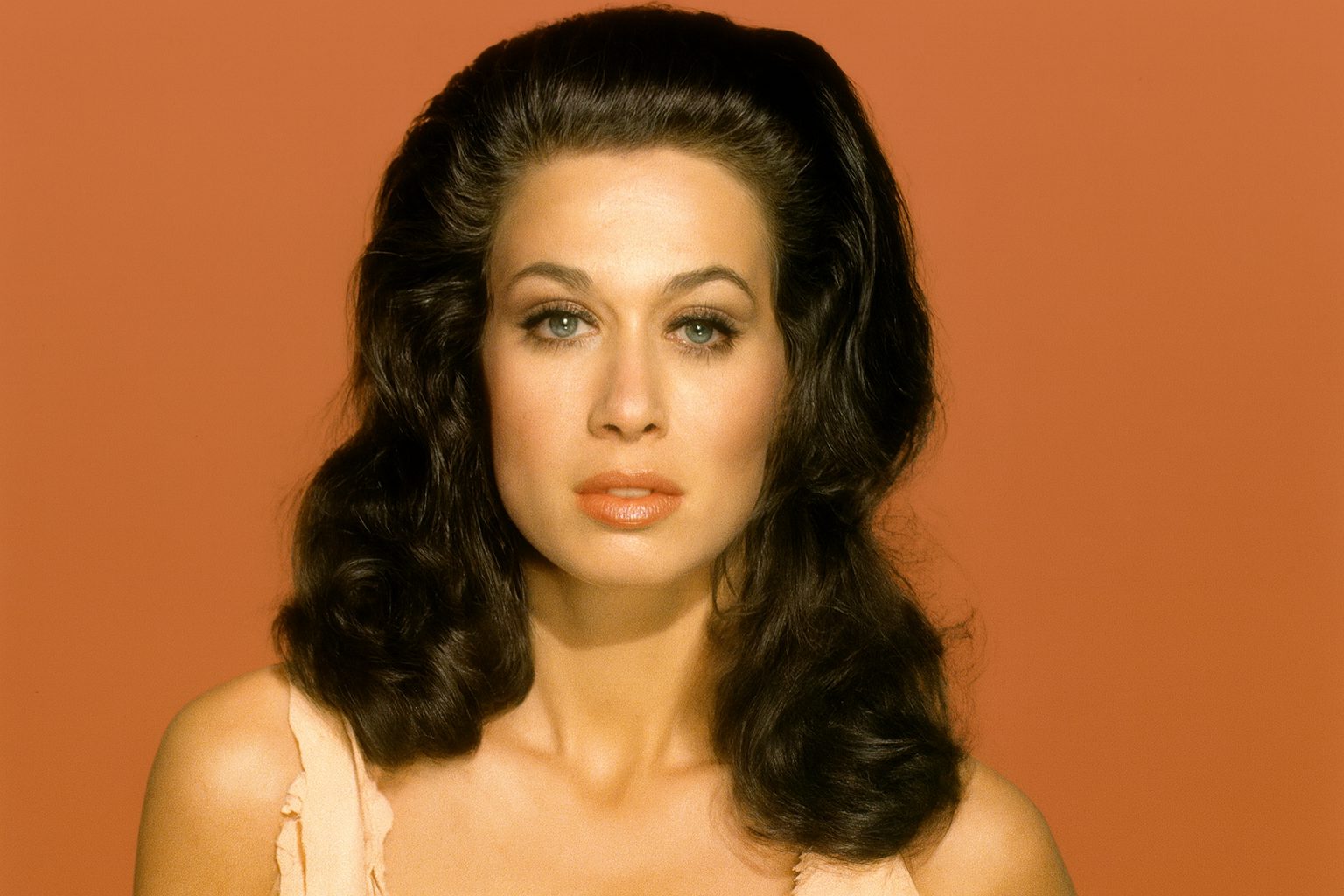
The name Valerie C. Robinson often appears in searches connected to Michael Schoeffling, the actor who played Jake Ryan in Sixteen Candles. Yet her identity is far more layered than the title of “celebrity spouse.” Long before she stepped into a quiet family life in Pennsylvania, Valerie built her own career in modeling and acting, navigated the shifting entertainment landscape of the 1980s, and ultimately made the rare choice to walk away from the spotlight on her own terms.
Her story reflects a life shaped by intention rather than attention. While today’s media environment rewards constant visibility, Valerie’s decisions have created a legacy defined by independence, resilience, and the kind of privacy few public figures ever manage to maintain.
Early Life and the Path Into Modeling
Public details about Valerie’s childhood remain minimal, largely because she has never pursued the kind of fame that demands personal disclosure. What is clear is that she entered the modeling industry at a time when the profession depended entirely on portfolio work, agency relationships, and print-media exposure.
During her early career, many sources reference her under the name Valerie Carpenter Bernstein, a detail that often helps distinguish her from others who share the same name. As she moved deeper into the modeling world, she built a reputation for polished editorial work and the poised, camera-ready elegance that allowed her to transition naturally into film and television roles.
Modeling served as her first professional identity, but it also became the gateway to a new chapter: acting.
Moving From Runways to On-Screen Roles
Valerie’s acting career emerged gradually rather than through a breakout moment. In the late 1970s and throughout the 1980s, she appeared in a range of productions that showcased her versatility across television and film.
Her early work included television movies and episodic roles, followed by appearances in feature films during the mid-1980s. Although her roles were often supporting rather than leading, she approached each project with the professionalism of someone who understood the business deeply.
This period offered her a foothold in Hollywood, but it also revealed an important truth about her priorities. Unlike many performers who push forward with aggressive career strategies, Valerie’s choices reflected a balance between ambition and personal fulfillment. She participated in the industry without allowing it to define her.
The Relationship That Shifted Her Life’s Direction
Valerie’s path intersected with Michael Schoeffling during the height of the modeling era in New York, when both were represented by major agencies known for launching fashion talent into acting careers. Their shared professional circles brought them together, and their relationship developed away from the noise that often surrounds celebrity romances.
By the time Michael became a household name through Sixteen Candles, the two had already formed the foundation of a quiet, enduring partnership. They later married, choosing an intimate ceremony consistent with the understated way they handled every aspect of their public and private lives.
Their marriage became one of the rare Hollywood unions that seemed to strengthen as the spotlight faded instead of intensifying under it.
Family Life and the Decision to Leave Hollywood
Valerie and Michael eventually moved away from the entertainment world, settling in Pennsylvania and creating a family life centered on privacy, stability, and craft. They welcomed two children, one of whom—Scarlett—followed their creative path into modeling and occasional acting.
For Michael, leaving Hollywood became a deliberate shift toward woodworking and custom furniture making. For Valerie, the transition meant stepping back from film and television to focus on family and a quieter, more grounded lifestyle.
Their retreat from the industry occurred just as Michael’s fame was peaking, which made their choice even more striking. While others chased roles and visibility, they chose a slower rhythm, one that aligned more closely with the life they wanted to build.
A Life Defined by Intention, Not Spotlight
In today’s search results, Valerie’s name often appears alongside nostalgic conversations about Sixteen Candles or discussions of celebrity couples who transitioned away from fame. Yet her legacy stands independently of these associations.
She represents a generation of entertainers who built careers before digital media transformed the nature of public identity. Her modeling work captured the aesthetic of an era. Her acting contributions added texture to the film and television landscape of the time. And her later life demonstrates a rare commitment to privacy—an intentional step back rather than a faded spotlight.
Her silence is not absence; it is a choice. And within that choice is a story about autonomy that resonates with readers who value authenticity over exposure.
Also Read: Sandy Corzine: Life, Career and His Story Beyond Fame
Conclusion: The Quiet Strength of Valerie C. Robinson
The enduring fascination with Valerie C. Robinson comes not from controversy or constant visibility but from the mystery created by her deliberate retreat from fame. She built a modeling and acting career in an era defined by glamour, transitioned into a long-lasting partnership with one of the decade’s most recognizable on-screen figures, and ultimately chose a path that prioritized family and personal fulfillment.
Her story offers a reminder that not all lives connected to Hollywood follow the same narrative arc. Some are defined not by the bright intensity of fame but by the quiet strength of choosing one’s own direction. For anyone searching her name today, the most meaningful takeaway is this: Valerie C. Robinson carved out a life that reflects grace, independence, and the power of knowing when to step forward and when to step away.

