

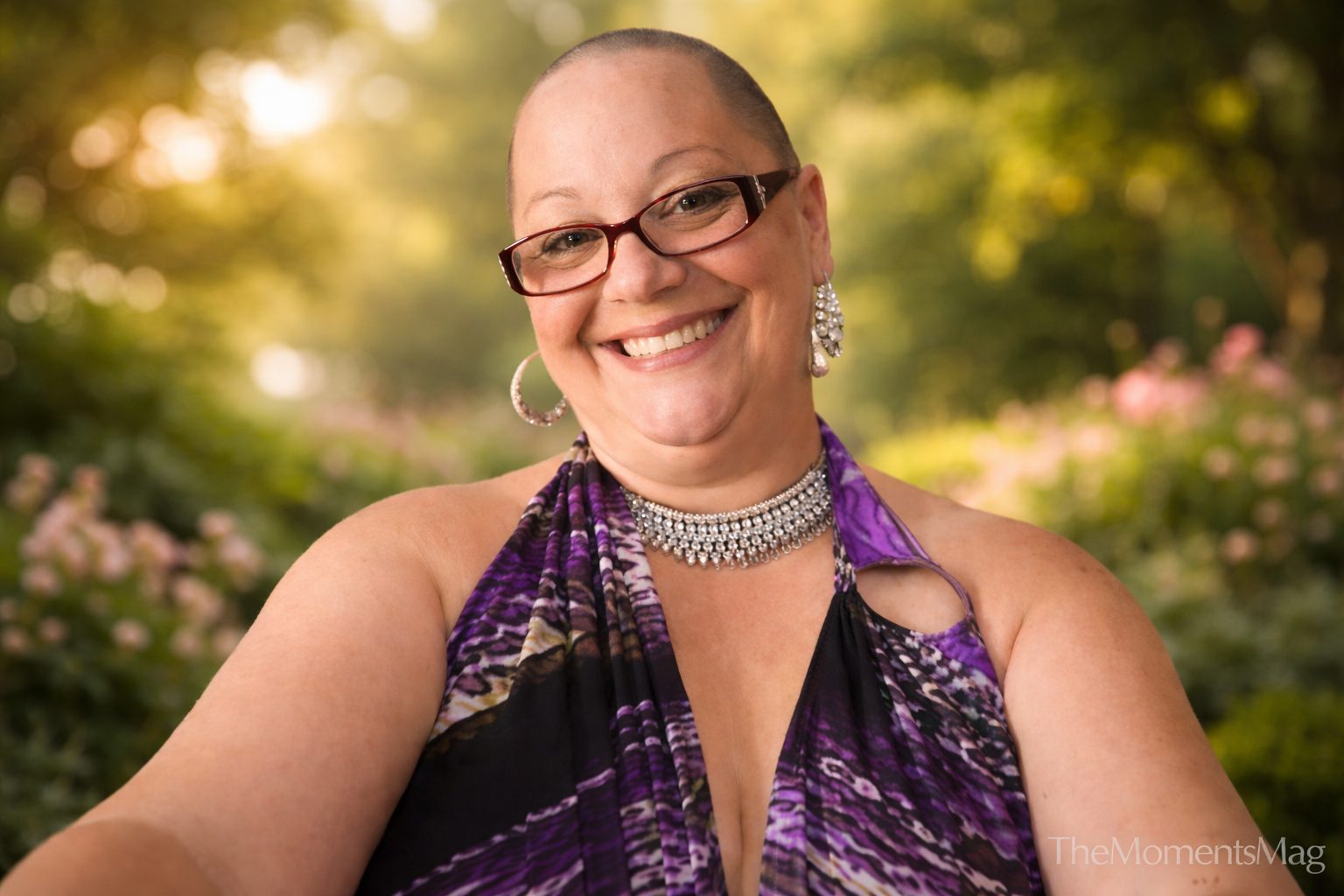
Some names become widely known because they stand under bright lights. Others enter public curiosity because of the powerful lives they quietly helped shape. Donna Raye Bautista belongs to the second category. Though she has never sought fame, her name often surfaces in connection with her son, actor and former WWE champion Dave Bautista. Yet to reduce her identity to that single connection would miss the deeper truth.
Donna Raye Bautista represents something more universal and enduring: the story of a mother navigating hardship, identity, and change while raising children in challenging circumstances. Her life, though largely private, offers insight into resilience, authenticity, and the subtle ways parental influence echoes into adulthood.
This biography-style exploration looks at what is known, what is meaningful, and why her story continues to resonate.
Early Life and Cultural Roots
Public records about Donna Raye Bautista’s early years are limited. She has maintained a private life, and detailed accounts of her childhood or personal background remain largely outside the spotlight. However, what is known is that she is of Greek descent, a heritage that often carries strong traditions, family-centered values, and cultural pride.
Cultural identity shapes families in ways that are not always visible to outsiders. Food traditions, language influences, faith practices, and close-knit community ties often become foundational experiences for children growing up within such households. For many immigrant or multi-ethnic families in America, identity is not simply inherited—it is actively preserved.
Although there are no public interviews where Donna Raye speaks extensively about her upbringing, it is reasonable to understand that her cultural background likely influenced the environment in which her children were raised. Heritage often shapes resilience, especially in families facing economic and social pressures.
Raising a Family in Difficult Circumstances
Dave Bautista has spoken openly about growing up in poverty and witnessing violence at a young age. Those reflections, shared in interviews and biographical accounts, paint a picture of instability and financial struggle. Such environments require extraordinary emotional strength from caregivers.
When resources are scarce, parenting becomes an exercise in endurance. A parent must balance financial pressure, neighborhood safety, and emotional development. In many working-class households, especially during the 1970s and 1980s, these pressures were intensified by limited social support systems and economic downturns.
Donna Raye Bautista raised her children during this era. It was a time when economic mobility was uncertain for many families, particularly those living in lower-income communities. According to data from the U.S. Census Bureau, poverty rates during the late 1970s and early 1980s frequently hovered above 11%, with some urban areas experiencing much higher concentrations of hardship.
These numbers offer context rather than drama. They help explain the structural challenges families like the Bautistas may have faced. Raising children in such circumstances requires not just discipline, but creativity and emotional resolve.
Identity, Authenticity, and Personal Courage
One of the most defining elements of Donna Raye Bautista’s public narrative is her identity as a lesbian. Dave Bautista has spoken about his mother being openly gay and how that shaped his perspective on equality and allyship. For a woman raising children during earlier decades, coming out was rarely simple.
Public attitudes toward LGBTQ+ individuals were far less accepting in the 1980s and 1990s than they are today. Pew Research data shows that public support for same-sex marriage in the United States has increased dramatically over the past two decades, but earlier generations faced stigma, discrimination, and legal limitations.
Choosing authenticity during less accepting times often came with social risk. It could impact employment, housing stability, and community acceptance. Yet living truthfully also models courage for children. When a parent refuses to live in secrecy, that honesty becomes a lesson.
Dave Bautista has credited his mother’s identity with shaping his outspoken stance against homophobia. He has made clear in interviews that LGBTQ+ equality is personal to him because it concerns someone he loves deeply. That kind of conviction usually begins at home.
The Influence Behind the Public Figure
When audiences look at Dave Bautista today—an actor known for emotional range, physical transformation, and strong opinions—they often focus on his discipline or charisma. However, values do not form in isolation.
Children absorb emotional cues from their parents. They observe how adults respond to stress, how they treat others, and how they handle adversity. A child raised by someone who confronts hardship directly often learns resilience not as theory, but as habit.
Psychological research on adverse childhood experiences suggests that exposure to poverty and instability can shape long-term development. However, protective factors—such as a stable, supportive caregiver—significantly improve outcomes. The Centers for Disease Control and Prevention note that positive relationships with at least one adult can buffer the long-term effects of early adversity.
In this context, Donna Raye Bautista’s role becomes clearer. While hardship existed, the presence of a determined parent likely provided structure and emotional grounding. That grounding often determines whether adversity becomes a permanent scar or a motivating force.
A Private Life in a Public Era
In today’s digital world, privacy has become rare. Parents of celebrities are often drawn into media cycles, willingly or not. Yet Donna Raye Bautista has largely avoided interviews, social media visibility, and public commentary.
There is dignity in that choice. Remaining private in a culture that rewards exposure suggests boundaries. It reflects a desire to live as an individual rather than as a supporting character in someone else’s fame.
Privacy does not diminish influence. In many cases, it enhances it. It shifts the focus from spectacle to substance.
By staying out of the spotlight, Donna Raye allowed her son to define his own public identity without turning their family history into a performance. That restraint, though subtle, is meaningful.
The Social Context of Single Parenthood
Although detailed public information about Donna Raye’s marital timeline is limited, it is known that Dave Bautista’s parents divorced when he was young. Single-parent households often carry additional financial and emotional responsibilities.
Data from the Federal Reserve and U.S. Census consistently shows that single-parent households experience higher poverty rates than two-parent households. This disparity reflects structural challenges, including childcare costs and wage gaps.
For single mothers especially, the balancing act can be intense. They must act as emotional anchor, financial planner, disciplinarian, and advocate simultaneously. The stress can be relentless.
Yet within those pressures, many mothers cultivate independence in their children. They teach accountability early. They encourage self-reliance. And sometimes, they instill a fierce loyalty that remains lifelong.
In Dave Bautista’s public statements, loyalty appears as a recurring theme. That trait often originates in families where unity is not optional but necessary for survival.
Cultural Pride and Strength
Greek heritage is often associated with strong family bonds and community-centered values. While it would be speculative to assign specific traditions to Donna Raye’s household without direct accounts, cultural pride frequently influences resilience.
Families with strong ethnic identity often lean on tradition during difficult times. Rituals, storytelling, and shared meals provide stability. Cultural pride can serve as emotional armor against external pressures.
For children navigating poverty or instability, that sense of rootedness can provide psychological grounding. It communicates continuity. It says, even if circumstances are uncertain, identity remains intact.
Lessons in Authentic Masculinity
One of the most compelling aspects of Donna Raye Bautista’s legacy is the way it intersects with modern conversations about masculinity.
Dave Bautista’s career began in professional wrestling, a space often associated with hyper-masculine imagery. Yet over time, he has spoken openly about vulnerability, body image struggles, and emotional growth. He has publicly rejected homophobia and expressed pride in his mother’s identity.
This combination—physical strength and emotional openness—reflects evolving definitions of masculinity. Sociologists have noted a cultural shift toward more flexible models of male identity, where empathy and advocacy coexist with strength.
Growing up with an openly gay mother may have contributed to that broader perspective. Exposure to difference at home often normalizes acceptance. It removes fear. It builds empathy.
Donna Raye Bautista’s influence, therefore, extends beyond family. It indirectly contributes to a public figure who models inclusive masculinity.
The Enduring Power of Parental Example
Biographies of public figures often emphasize dramatic turning points: career breakthroughs, championship wins, blockbuster films. Yet the formative moments usually happen earlier and quietly.
A mother working long hours. A conversation about honesty. A lesson about standing up for loved ones. These moments rarely make headlines, but they shape character.
Research on developmental psychology consistently highlights the impact of early parental modeling. Children internalize not just instructions, but attitudes. They watch how adults respond to prejudice, conflict, and uncertainty.
Donna Raye Bautista’s example appears to have taught perseverance and authenticity. Those qualities are visible in her son’s choices and public statements.
A Legacy Measured in Values
Some legacies are measured in awards. Others are measured in influence. Donna Raye Bautista’s story belongs to the latter category.
Her life has not been chronicled in interviews or memoirs. Instead, her impact is visible in the confidence, loyalty, and advocacy of her child. That form of legacy is subtle but profound.
It is easy to assume that public success stands alone. In reality, it often rests on unseen foundations. Parents who endure economic hardship, social stigma, or personal sacrifice build those foundations brick by brick.
Donna Raye Bautista represents that kind of quiet construction.
Also Read: Brad Williams Wife: Inside His Marriage to Jasmine
Conclusion
Donna Raye Bautista may never occupy center stage, and she has never sought to. Yet her story resonates because it embodies universal themes: resilience in hardship, authenticity in identity, and steadfast love in the face of adversity.
Through limited but meaningful public insights, we see a portrait of a mother who navigated poverty, embraced her truth, and raised children who carry her lessons into the world. Her influence lives not in headlines, but in values—loyalty, courage, and unwavering pride.
In an era that often equates visibility with importance, Donna Raye Bautista reminds us that some of the most powerful lives are lived away from cameras. Their impact is not measured in applause, but in the character of those they raise.
And sometimes, that is the greatest legacy of all.