

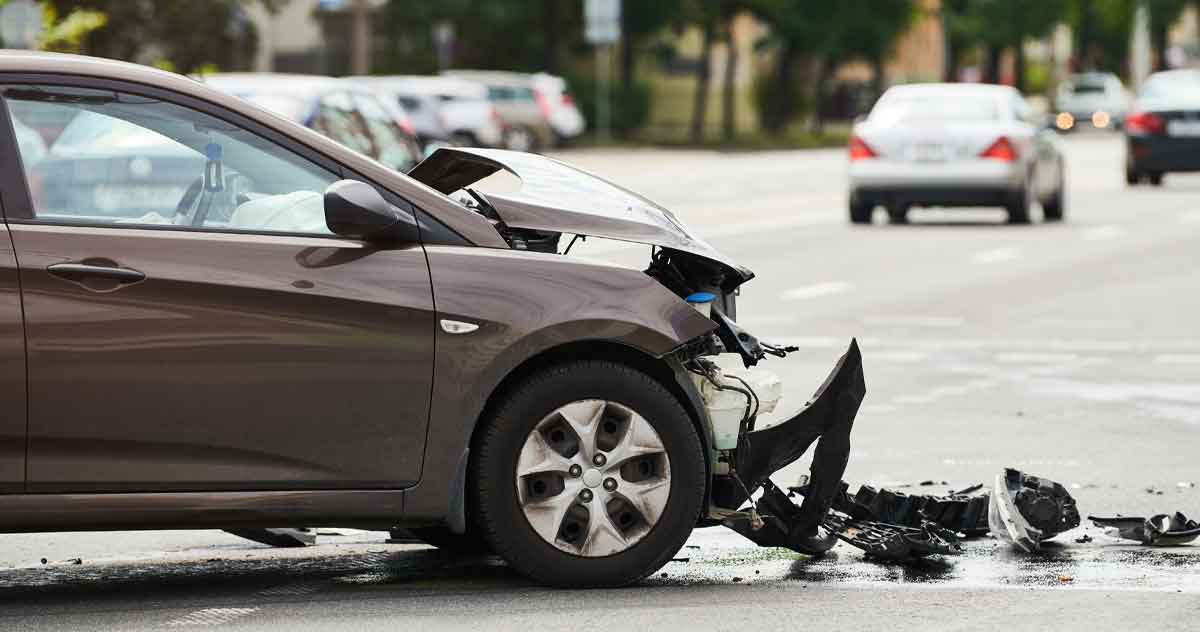
Understanding fault in car accidents is essential in Nevada. You must know how fault is assessed to navigate the aftermath. Nevada follows the “at-fault” system. The driver responsible for the accident covers damages. Police reports, witness statements, and evidence are key. These elements determine who caused the accident. The precise rules vary. Drivers and insurance companies need clarity. A Henderson car accident lawyer can provide guidance. They explain the nuances and help in handling claims. You’ll find peace of mind knowing your rights. Legal advice is not just helpful. It’s necessary. Accidents bring stress. Knowing how fault is determined can reduce anxiety. You regain control by understanding these processes. Accidents are unsettling. But, understanding fault determination simplifies the next steps. Always seek expert help in these situations. Your rights and responsibilities matter. Protect yourself with knowledge. You are not alone in this process. Support is available.
The Role of Police Reports
Police reports hold significant weight in determining fault. Officers on the scene document details. They note weather conditions, road signs, and driver statements. These reports are not conclusive. But, they provide a starting point for determining responsibility. Accessing the report is your right. Request it from the relevant police department or check online portals.
Understanding Comparative Negligence
Nevada uses a modified comparative negligence system. This means fault can be shared. If you are less than 50% at fault, you can recover damages. Your compensation is reduced by your fault percentage. For example, if you are 20% at fault, you receive 80% of the claim.
| Fault Percentage | Compensation Received |
|---|---|
| 10% | 90% |
| 25% | 75% |
| 40% | 60% |
Gathering Evidence
Evidence is crucial. Photos, videos, and eyewitness accounts strengthen your case. Document everything at the scene. Capture vehicle positions, damage, and any visible injuries. Collect contact details of witnesses. This information supports your claims and helps in negotiations.
Insurance Companies and Fault
Insurance companies review all evidence. They use adjusters to evaluate the situation. Their goal is to minimize payouts. They look for reasons to reduce claims. Being prepared helps you challenge unfair assessments. An experienced lawyer can be an asset. They assist in navigating these complex discussions.
Legal Assistance
Hiring a lawyer is practical. A lawyer provides insights into state laws and ensures fair treatment. They handle negotiations, gather evidence, and represent you in court if needed. Knowing the legal landscape is crucial. A Nevada Bar Association member can guide you effectively.
Steps to Take After an Accident
Immediately after an accident, ensure safety first. Call emergency services if required. Exchange information with the other driver. Take photos and gather evidence. Contact your insurance company promptly. Finally, consult a lawyer to understand your rights and obligations.
The Importance of Timely Action
Act quickly. Nevada has a statute of limitations for filing claims. Typically, this is two years from the accident date. Delays can hinder your ability to recover damages. Prompt action is vital for protecting your rights.
Final Thoughts
Navigating car accident claims can be complex. Understanding fault determination helps you manage the process better. With clear knowledge and expert guidance, you can focus on recovery. Protect your interests by staying informed and seeking professional advice when needed.