

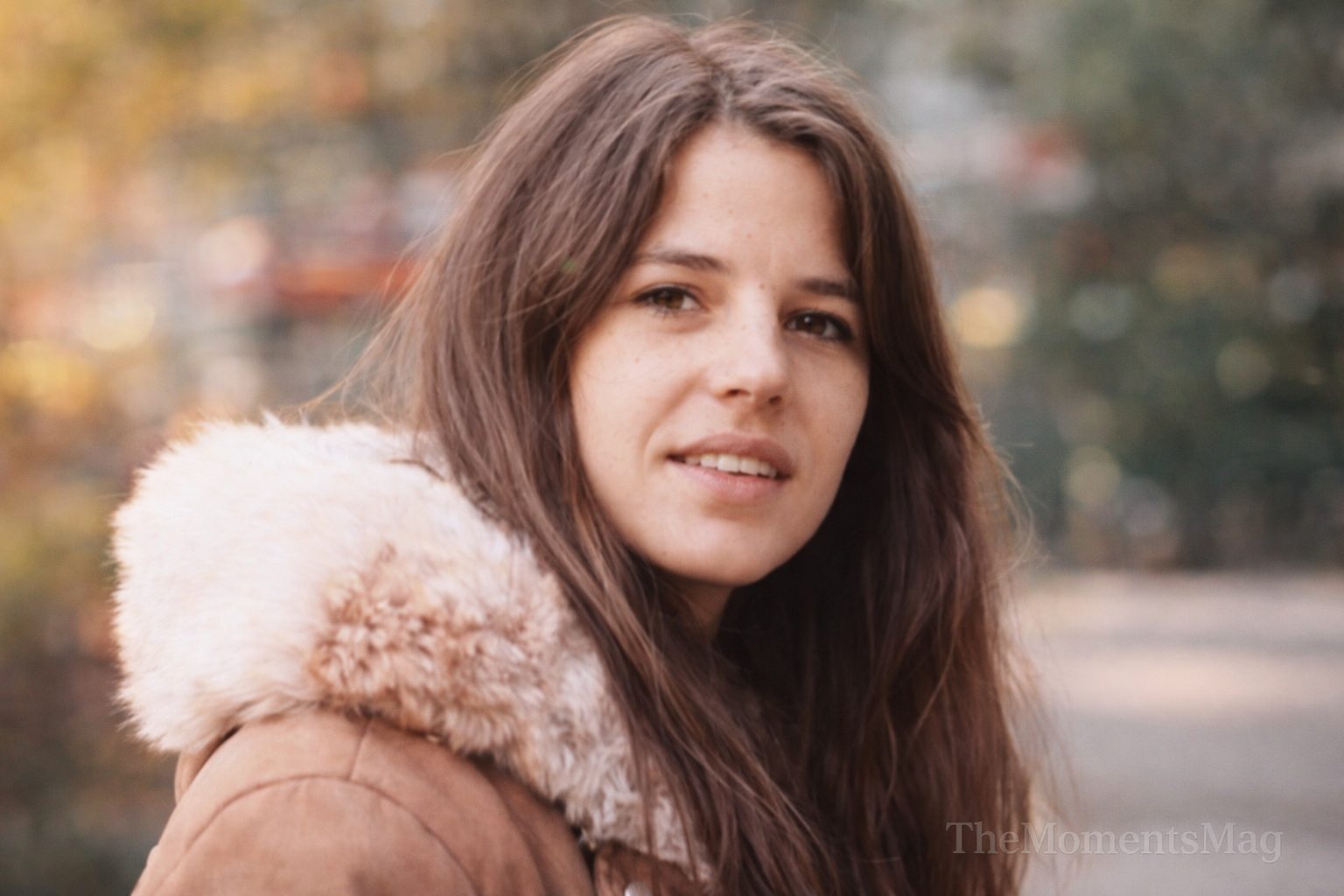
Some lives become widely known because of fame. Others become significant because of influence. Verónica Pascal belongs to the second category. Though she is often recognized publicly as the mother of actor Pedro Pascal, her story extends far beyond that simple description. It is a story shaped by political upheaval, migration, motherhood, and quiet resilience.
Her life intersects with major historical events, including Chile’s turbulent political history in the 1970s. Yet at its heart, her biography is about family — about the kind of devotion and strength that rarely makes headlines but leaves a permanent imprint on the people who carry it forward. To understand Verónica Pascal is to understand not just a parent behind a global celebrity, but a woman whose experiences reflect a broader generation shaped by exile and reinvention.
Early Life in Chile
Verónica Pascal Ureta was born in Chile during a period of social and political transformation. Chile in the mid-20th century was a country alive with intellectual movements, political debate, and shifting social norms. Like many families of that era, hers was deeply engaged with the country’s evolving identity.
Although detailed public records about her early life remain limited, it is known that she grew up in a politically aware environment. Chile in the 1960s and early 1970s was marked by ideological tension, culminating in the presidency of Salvador Allende and, ultimately, the military coup of 1973 led by General Augusto Pinochet. That event would reshape not only the nation but also the course of her personal life.
The coup ushered in a military dictatorship that lasted until 1990. Thousands were detained, disappeared, or forced into exile. For many Chilean families, the decision to leave was not about opportunity — it was about survival. Verónica Pascal’s family became part of that exodus.
Exile and Asylum
When Verónica’s son, Pedro, was just a baby, the family fled Chile amid political persecution. They first sought refuge in Denmark before eventually settling in the United States. This journey was more than a geographic relocation. It was a cultural and emotional rupture.
Exile reshapes identity. It requires rebuilding routines, relationships, and professional lives from scratch. For parents, the challenge is even greater. They must carry their own uncertainty while creating stability for their children. Verónica did precisely that.
The move to the United States marked a new chapter. The family eventually established themselves in Texas and later California. Like many immigrant families, they navigated language barriers, economic adjustments, and the subtle complexities of assimilation. Through it all, Verónica remained a central emotional anchor.
Her experience mirrored that of countless political refugees of the 1970s. Families uprooted by authoritarian regimes often faced the dual challenge of preserving their heritage while helping their children adapt to a new world. In many ways, that tension becomes a defining feature of the next generation’s identity.
Motherhood and Influence
Verónica Pascal is frequently described by her son as the most important person in his life. Pedro Pascal has publicly spoken about his deep affection and admiration for his mother, calling her the love of his life in interviews. He chose to use “Pascal” as his professional surname in her honor.
That choice alone speaks volumes. Names carry lineage, memory, and allegiance. By taking her surname, he ensured that her identity would travel with him into every credit roll, premiere, and award nomination.
But beyond symbolic gestures, her influence appears in the emotional depth often attributed to her son’s performances. Pedro Pascal is known for portraying characters who combine vulnerability with strength — protectors with hidden wounds, leaders shaped by loss. While it would be simplistic to attribute artistic ability directly to upbringing, the environment a parent creates undeniably shapes emotional awareness.
Verónica’s role as a mother unfolded across continents. She raised children who belonged to two cultures at once — Chilean by heritage and American by upbringing. That dual identity often fosters adaptability, empathy, and resilience. It also requires a parent capable of guiding children through complex questions of belonging.
Life Between Two Worlds
Immigrant parents often live between memories of the homeland and realities of the present. For Verónica, Chile remained a powerful reference point. Exile does not erase attachment. Instead, it often intensifies it.
Her family eventually maintained connections to Chile, and Pedro Pascal has spoken openly about his pride in his Chilean roots. This continuity suggests that Verónica preserved cultural ties even while navigating life abroad. Language, traditions, and stories become tools of preservation in immigrant households. They prevent displacement from becoming erasure.
Living between two worlds can create tension. Children of immigrants sometimes feel caught between expectations and freedoms. Yet it can also create richness — an expanded worldview shaped by multiple perspectives. That complexity likely influenced the way her children approached identity and creativity.
Personal Struggles and Tragedy
No biography is complete without acknowledging hardship. Verónica Pascal’s life, like many lives shaped by migration and political upheaval, was not without difficulty.
Public reporting indicates that she died in 2000. Her death was deeply traumatic for her family. Pedro Pascal has spoken about the profound impact it had on him, describing it as a defining loss.
When discussing such matters, it is important to maintain sensitivity. Conversations around mental health and suicide require care and respect. What remains clear is that her passing left a lasting mark on her children, shaping their emotional landscapes in ways that are both private and enduring.
Grief often becomes a quiet companion to success. Behind public achievements, there can be invisible sorrow. For Pedro Pascal, honoring his mother through his name and public acknowledgment suggests that remembrance is not fleeting but ongoing.
Legacy Through Family
Legacy does not always arrive through public accomplishments. Sometimes it travels through values passed down, courage modeled, and sacrifices made quietly.
Verónica Pascal’s legacy lives most visibly through her children. Pedro Pascal’s rise to international recognition in projects such as major television series and blockbuster films has drawn attention back to the family’s origins. In interviews, he frequently references his upbringing and the strength of his parents.
Yet her legacy extends beyond celebrity. It exists in the resilience of a family that survived political exile. It exists in the cultural pride her children continue to express. It exists in the emotional vocabulary that seems to define her son’s artistic presence.
For immigrant families, success often carries layered meaning. It represents not only personal achievement but also generational perseverance. Every accomplishment becomes a testament to earlier sacrifices.
Historical Context and Broader Impact
Understanding Verónica Pascal’s life requires acknowledging the historical forces surrounding it. The Chilean dictatorship displaced thousands. Political refugees reshaped communities in Europe and North America. Denmark, which offered temporary asylum to her family, was one of several European nations that opened its doors during that period.
The United States, too, became home to many Chilean exiles. Over time, these communities contributed significantly to cultural and intellectual life. Stories like Verónica’s are woven into that broader narrative of diaspora.
Migration changes both the migrant and the host country. It introduces new perspectives, languages, and experiences. Children raised in such households often grow into cultural bridges — individuals who navigate multiple identities with fluency.
In this way, Verónica Pascal’s biography is not only personal. It reflects a global pattern of displacement and adaptation that continues today.
The Meaning of Remembrance
Public interest in Verónica Pascal persists largely because of her son’s openness about her importance. In an industry often marked by fleeting attention, his consistent acknowledgment of her influence stands out.
Remembrance can take many forms. For some, it is private ritual. For others, it is public tribute. By carrying her surname into his professional life, Pedro Pascal transformed remembrance into permanence.
There is something quietly powerful about that act. It suggests that behind global recognition lies a foundational relationship that remains intact despite time and loss.
Also Read: Molly Bloom Net Worth Now in 2026: Full Breakdown
Conclusion
Verónica Pascal’s life cannot be measured solely by public documentation. She was not a politician, celebrity, or public figure in the traditional sense. Yet her story intersects with history in meaningful ways. She was a Chilean woman shaped by political upheaval, an immigrant navigating exile, and a mother whose devotion left an indelible mark on her children.
Her biography reminds us that behind many visible successes are invisible architects — people who create stability in unstable times, who nurture resilience amid uncertainty, and who preserve identity across borders.
In remembering Verónica Pascal, we are not merely tracing the origins of a famous surname. We are recognizing a life defined by courage, transition, and love. Her legacy continues not through monuments or headlines, but through the enduring influence she had on those who knew her best.
Sometimes the most powerful biographies are not the loudest. They are the ones carried quietly in the names we speak and the stories we continue to tell.