

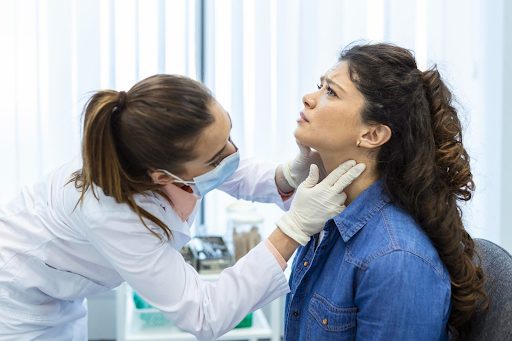
Understanding Blocked Salivary Glands and Stone Formation
Blocked salivary glands treatment becomes necessary when saliva cannot flow properly through the ducts. One of the most common causes of blockage is a salivary gland stone treatment requirement. These stones, also known as sialoliths, form from hardened mineral deposits inside the salivary ducts.
When a stone blocks the duct, saliva builds up behind it. This can cause:
- Swelling under the jaw or near the ear
- Pain that worsens during meals
- Dry mouth
- Infection in more advanced cases
Although some small stones may pass on their own, many require professional salivary gland stone treatment. Choosing the right specialist is important for safe and effective care.
Why Specialist Care Matters

Accurate Diagnosis
Not every swelling in the jaw area is caused by a stone. A specialist trained in blocked salivary glands treatment can determine whether symptoms are due to a stone, infection, tumour, or another condition.
Diagnosis may involve:
- Physical examination
- Ultrasound imaging
- CT or MRI scans in selected cases
An experienced clinician can identify the size and location of the stone, which directly affects the treatment approach.
Minimising Complications
Improper treatment can lead to infection, gland damage, or recurring blockages. A specialist in salivary gland stone treatment understands the delicate anatomy of the salivary ducts and nearby nerves.
Careful technique reduces the risk of:
- Nerve injury
- Persistent swelling
- Scar formation
- Repeat procedures
Selecting the right professional improves the chances of preserving normal gland function.
Qualifications to Look For

Training in Head and Neck Conditions
When seeking blocked salivary glands treatment, look for a specialist with formal training in head and neck surgery or oral and maxillofacial surgery. These professionals have in-depth knowledge of salivary gland anatomy.
Experience with salivary gland stone treatment is especially important if the stone is large or located deep within the duct.
Experience with Minimally Invasive Techniques
Modern treatment often involves minimally invasive procedures such as sialendoscopy. This technique uses a small camera inserted into the duct to locate and remove the stone.
Ask the specialist:
- How many similar procedures they perform each year
- Whether they offer minimally invasive options
- What their success rates are
A clinician familiar with advanced techniques can often avoid open surgery.
Questions to Ask During Consultation
What Treatment Options Are Available?
Not all stones require surgery. A qualified specialist will explain whether your condition can be managed with:
- Hydration and massage
- Medication
- Sialendoscopy
- Minor surgical removal
Understanding your options helps you make an informed decision.
What Are the Risks?
Every medical procedure carries some risk. A professional providing salivary gland stone treatment should clearly outline potential complications and how they are managed.
Common risks may include:
- Temporary swelling
- Infection
- Bleeding
- Recurrence of stones
Clear communication builds confidence and ensures realistic expectations.
Evaluating the Clinic or Practice
Access to Imaging Facilities
Effective blocked salivary glands treatment often relies on accurate imaging. Clinics that provide on-site ultrasound or quick access to scanning services can speed up diagnosis and planning.
Fast and accurate imaging reduces delays in starting appropriate care.
Clean and Professional Environment
A clean and organised clinic reflects attention to patient safety. Observe whether equipment appears modern and well-maintained.
Hygiene standards are especially important when performing procedures involving the mouth and salivary ducts.
Considering the Complexity of the Stone
Size and Location Matter
Small stones near the duct opening may be easier to remove. Larger stones located deeper in the gland require greater expertise.
A specialist experienced in salivary gland stone treatment can assess whether a minimally invasive approach is possible or if open surgery is necessary.
Choosing someone with experience managing complex cases can reduce the risk of gland removal.
Recurrent Stones
If you have had previous episodes, selecting a specialist who investigates underlying causes is important. Recurrent stones may be linked to:
- Chronic dehydration
- Salivary duct narrowing
- Metabolic factors
A thorough approach helps prevent future blockages.
Importance of Preserving the Salivary Gland
Avoiding Unnecessary Gland Removal
In the past, some cases of blocked salivary glands treatment resulted in full gland removal. Today, many stones can be removed while preserving the gland.
Ask your specialist whether gland-preserving techniques are available. Maintaining natural saliva production supports oral health and comfort.
Long-Term Oral Health
Saliva plays a key role in:
- Protecting teeth from decay
- Supporting digestion
- Preventing dry mouth
Effective salivary gland stone treatment should aim to restore normal function rather than simply relieve immediate pain.
Post-Treatment Care and Follow-Up
Monitoring After the Procedure
A responsible specialist will schedule follow-up appointments after blocked salivary glands treatment. These visits ensure proper healing and confirm that saliva flow has returned to normal.
Follow-up care may include:
- Physical examination
- Repeat imaging if necessary
- Advice on hydration and oral hygiene
Ongoing monitoring reduces the risk of recurrence.
Preventative Advice
Prevention is part of good salivary gland stone treatment. Your specialist may recommend:
- Drinking adequate water
- Stimulating saliva with sugar-free sweets
- Gentle gland massage
- Maintaining good oral hygiene
These measures support healthy saliva flow and reduce stone formation.
Patient Reviews and Reputation
Reading Feedback
Patient reviews can provide insight into the experience of others who have undergone blocked salivary glands treatment. Look for consistent feedback regarding:
- Clear communication
- Professionalism
- Comfort during procedures
- Successful outcomes
While reviews should not be the only factor, they can help guide your decision.
Professional Reputation
A specialist known for expertise in salivary gland stone treatment may receive referrals from general practitioners and dentists. Recommendations from trusted healthcare providers are often a positive sign.
Cost and Transparency
Clear Pricing Structure
Before proceeding, ensure you understand the cost of evaluation and treatment. A reputable provider of blocked salivary glands treatment will explain:
- Consultation fees
- Imaging costs
- Procedure costs
- Follow-up charges
Transparent pricing helps avoid unexpected expenses.
Insurance and Coverage
If you have private medical insurance, confirm whether salivary gland stone treatment is covered. Administrative staff should be able to guide you through the process.
Final Thoughts
Selecting the right specialist for salivary gland stone treatment is an important step towards safe and effective care. Proper diagnosis, experience with modern techniques, and a focus on preserving gland function all contribute to better outcomes.
Blocked salivary glands treatment should not only address immediate discomfort but also restore normal saliva flow and prevent recurrence. By asking the right questions, reviewing qualifications, and choosing an experienced professional, you can improve your chances of a smooth recovery and long-term oral health.