

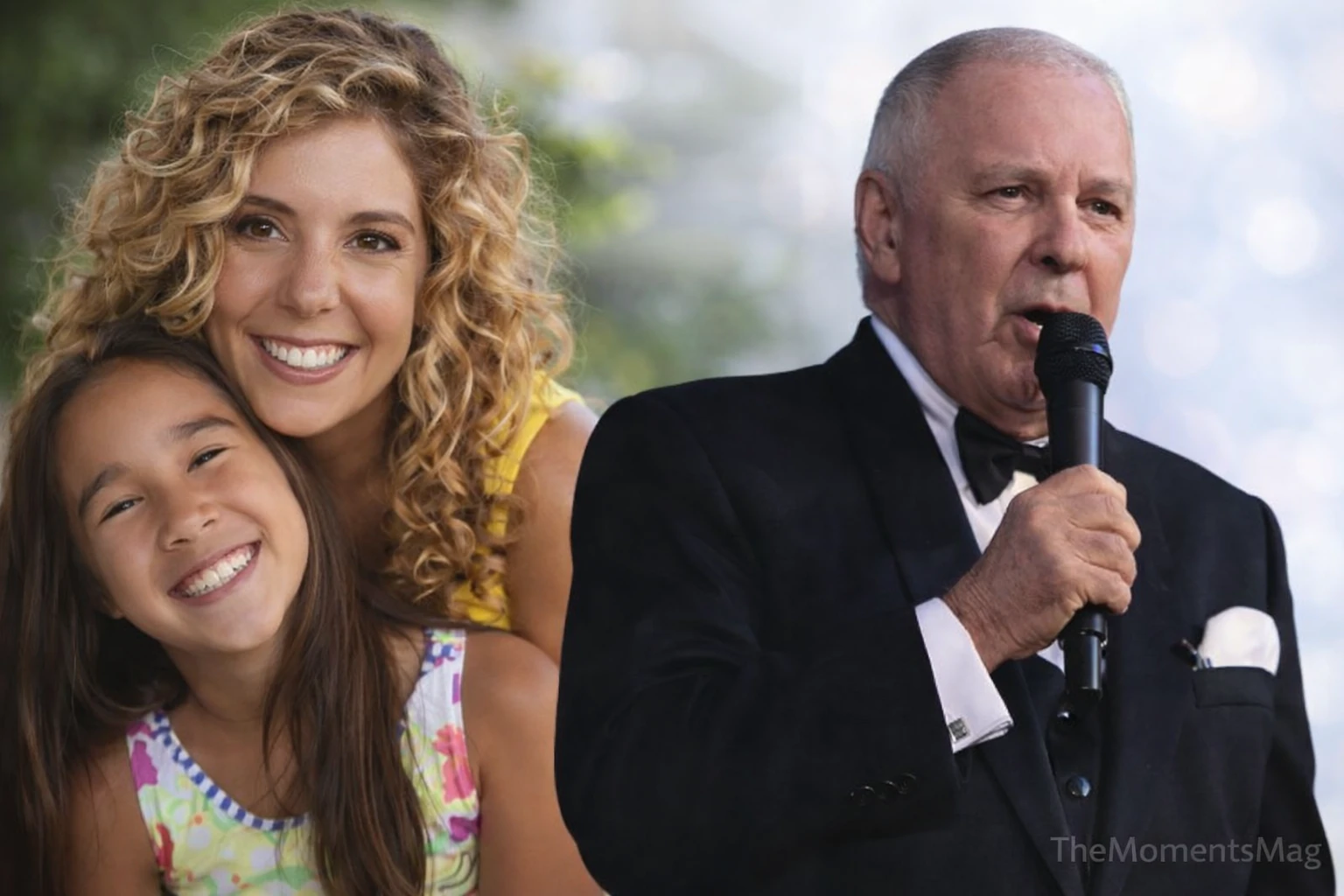
Natalie Oglesby Skalla exists at the edge of public attention, where a famous last name meets a largely private life. Her name circulates online because of a widely cited connection to one of America’s most enduring musical dynasties, yet she has never built a public career on that association. That contrast—between inherited visibility and chosen privacy—is what draws people in. Readers arrive looking for a clear biography and often find a blur instead, a mix of fact, repetition, and assumption.
The reality is quieter but more interesting. Natalie Oglesby Skalla is believed to be one of the children of Frank Sinatra Jr., the singer and conductor who carried forward his father’s musical legacy for decades. If that connection holds as widely reported, it places her within the extended Sinatra family, a lineage that continues to fascinate long after Frank Sinatra’s death in 1998. But unlike many relatives of major cultural figures, she has not pursued a life in the spotlight, and that decision shapes everything about how her story is told.
Early Life and Family Background
The details of Natalie Oglesby Skalla’s early life are not extensively documented in mainstream sources, which is unusual for someone connected to such a famous surname. What can be pieced together comes from a combination of obituary records, memorial listings, and consistent—though often secondhand—references across multiple biographical sites. These sources suggest that she is the daughter of Frank Sinatra Jr. and Mary Sue Oglesby, placing her within a branch of the Sinatra family that remained largely outside public view.
Frank Sinatra Jr., born Francis Wayne Sinatra on January 10, 1944, spent his life navigating both opportunity and expectation. As the son of Frank Sinatra, he inherited not only a musical lineage but also the burden of comparison. He built a career as a singer and conductor, often performing his father’s arrangements and preserving the sound of mid-century American pop standards. By the time of his death in March 2016, he had spent decades on the road, maintaining a steady presence in the world of live performance.
Natalie’s mother, Mary Sue Oglesby, is less documented in public records, but memorial information places her in Tulsa, Oklahoma, where she lived and died in 2011. That connection suggests that Natalie’s early life may have been rooted far from the entertainment centers of Los Angeles or New York. If so, her upbringing would have unfolded in a setting that offered distance from the intense scrutiny often faced by the Sinatra family.
That distance is significant. Children of celebrities often grow up in environments shaped by media attention, but Natalie Oglesby Skalla appears to have experienced something different: a life connected to fame but not defined by it. The available information does not point to a childhood filled with public appearances or media coverage. Instead, it suggests a quieter path, one that allowed for a degree of normalcy.
Growing Up Outside the Spotlight
What’s striking about Natalie Oglesby Skalla’s story is not what is known, but how much is not. In an era where even minor public figures leave extensive digital footprints, her presence remains minimal. There are no widely circulated interviews, no verified social media profiles that offer a clear picture of her voice, and no confirmed accounts of her early ambitions or education.
That absence should not be mistaken for insignificance. In many cases, it reflects a deliberate choice to remain private. For someone connected to a family as well-known as the Sinatras, stepping away from public life can be as defining as stepping into it. It shapes not only how a person lives, but how they are perceived.
There are recurring claims that she pursued a career related to equine therapy or therapeutic riding, a field that involves working with horses to support individuals with physical, emotional, or developmental challenges. While these claims appear across multiple online biographies, they are not strongly supported by primary sources such as professional directories or verified interviews. That does not mean they are false, but it does mean they should be treated with caution.
If true, such a career would align with a life oriented toward service rather than visibility. Therapeutic riding is a specialized field that requires training, patience, and a commitment to helping others. It is not the kind of profession that typically generates headlines, but it can be deeply meaningful. The possibility that Natalie chose such a path fits with the broader picture of someone who has consistently avoided the spotlight.
The Sinatra Connection and Its Weight
To understand Natalie Oglesby Skalla’s public identity, it is necessary to understand the legacy of the Sinatra name. Frank Sinatra was more than a singer; he was a cultural force whose influence extended across music, film, and popular culture. His career spanned decades, and his image remains iconic.
Frank Sinatra Jr. inherited that legacy in a direct and personal way. He built a career that honored his father’s work, often performing with arrangements drawn from the original Sinatra repertoire. But he also faced the challenge of establishing his own identity within a family name that carried immense expectations.
Natalie’s connection to this lineage places her within a story that continues to resonate with audiences. People remain fascinated by the descendants of major cultural figures, curious about how they navigate the balance between heritage and individuality. In Natalie’s case, that curiosity is heightened by the scarcity of information.
Here’s where it gets interesting. The lack of public detail does not diminish her connection to the Sinatra legacy; it changes how that connection is perceived. Instead of being a visible continuation of the family’s public presence, she represents a quieter branch, one that exists alongside the more familiar narratives but does not seek to expand them.
Personal Life and Relationships
Information about Natalie Oglesby Skalla’s personal life is limited and often based on unverified or weakly sourced claims. Many online profiles mention a marriage to a man named Brian Skalla, from whom she is believed to have taken her last name. These accounts also suggest that she has children and lives a family-oriented life away from public scrutiny.
However, these details are not consistently supported by primary documentation such as official records, interviews, or credible reporting. As a result, they should be approached carefully. It is possible that they are accurate, but without stronger evidence, they remain part of a broader pattern of lightly sourced biography writing.
What can be said with more confidence is that Natalie has maintained a level of privacy that is increasingly rare. In an age where personal information is often widely shared, her ability to remain largely out of view suggests a deliberate approach to managing her public presence. That choice has likely shaped both her personal relationships and her public image.
Privacy, in this context, becomes a defining characteristic. It is not simply the absence of information, but a consistent pattern of staying out of the public eye. That pattern sets her apart from many other members of well-known families, who often engage with media in various ways.
Career and Professional Life
The most frequently cited aspect of Natalie Oglesby Skalla’s professional life is her reported involvement in therapeutic riding or equine-assisted activities. As noted earlier, this claim appears across multiple online sources but lacks strong primary verification. Still, it is worth examining what such a role would entail, because it offers insight into the kind of work she is often associated with.
Therapeutic riding is part of a broader field known as equine-assisted services, which uses interactions with horses to support physical, emotional, and cognitive development. Programs in this field often work with individuals who have disabilities, trauma histories, or other challenges. Instructors typically undergo training and certification through organizations such as PATH Intl., which sets standards for safety and instruction.
If Natalie Oglesby Skalla is involved in this work, it would suggest a career focused on direct impact rather than public recognition. It would also place her within a community of professionals dedicated to helping others through specialized, hands-on approaches. But here’s the thing: without clear documentation, this remains a possibility rather than a confirmed fact.
What is clear is that she has not pursued a public career in entertainment, business, or media that would generate extensive coverage. There are no records of film roles, music releases, or high-profile business ventures associated with her name. That absence reinforces the broader picture of a private life.
Financial Standing and Net Worth
There is no publicly verified information about Natalie Oglesby Skalla’s net worth. Some online sources provide estimates, but these figures are not backed by credible financial reporting or disclosed assets. As a result, they should be treated as speculative rather than factual.
If she is indeed a daughter of Frank Sinatra Jr., it is possible that she has benefited from family resources or inheritance. However, without access to estate records or confirmed financial disclosures, it is not possible to quantify that connection in monetary terms. The same applies to any income derived from her own professional activities.
In cases like this, the absence of reliable financial data is not unusual. Private individuals, even those connected to well-known families, often keep their financial affairs out of public view. That choice is consistent with the overall pattern of privacy that defines Natalie Oglesby Skalla’s public profile.
Public Image and Media Presence
Natalie Oglesby Skalla’s public image is shaped less by her own actions than by how others write about her. The majority of content about her comes from secondary or tertiary sources, many of which repeat similar claims without providing clear citations. This creates a kind of echo effect, where certain details appear widely accepted simply because they are widely repeated.
That said, the tone of these portrayals is generally respectful. She is often described as someone who values privacy, focuses on family, and avoids the trappings of celebrity. Even if some of the specific details are uncertain, that overall characterization aligns with the limited evidence available.
What’s surprising is how little direct voice she has in the narrative. There are no widely circulated quotes, no confirmed interviews, and no public statements that provide insight into her perspective. This absence leaves room for interpretation, but it also underscores the importance of distinguishing between documented fact and assumption.
Where Natalie Oglesby Skalla Is Now
There is no confirmed public record detailing Natalie Oglesby Skalla’s current location or activities. Most available information suggests that she continues to live a private life, possibly focused on family and personal interests rather than public engagement.
This lack of visibility is consistent with the broader pattern of her life. While many individuals connected to famous families eventually step into the spotlight in some capacity, she appears to have chosen a different path. That choice has likely allowed her to maintain a sense of normalcy that would be difficult to achieve in a more public role.
The truth is, her current life is largely unknown to the public. And in this case, that unknown is not a gap to be filled with speculation. It is a reflection of boundaries that have been maintained over time.
Frequently Asked Questions
Who is Natalie Oglesby Skalla?
Natalie Oglesby Skalla is widely believed to be one of the children of Frank Sinatra Jr., placing her within the extended Sinatra family. She is not a public figure in the traditional sense and has maintained a largely private life, which limits the amount of confirmed information available about her.
Is she related to Frank Sinatra?
If the widely reported connection is accurate, she would be the granddaughter of Frank Sinatra through his son Frank Sinatra Jr. This relationship is commonly cited but not extensively documented in mainstream profiles or interviews.
What does she do for a living?
Many online sources claim that she works in therapeutic riding or equine-assisted services. However, this information is not strongly supported by primary sources, so it should be considered unverified.
Is Natalie Oglesby Skalla married?
Some reports suggest that she is married to a man named Brian Skalla and has children. These claims appear frequently but lack strong documentation, making them difficult to confirm with certainty.
What is her net worth?
There is no reliable public information about her net worth. Any figures found online are speculative and not supported by verified financial records.
Why is she not well known?
Natalie Oglesby Skalla appears to have chosen a private life rather than a public career. This decision has limited her media presence and contributed to the scarcity of detailed information about her.
Also Read: Johanna Chase Biography: Life, Family, Facts
Conclusion
Natalie Oglesby Skalla’s story is defined as much by what is unknown as by what is known. She occupies a space where public curiosity meets private reality, connected to one of the most famous families in American entertainment yet largely absent from public life. That balance is rare, and it shapes how her biography must be told.
Her connection to Frank Sinatra Jr. provides context, but it does not define her entirely. The available evidence suggests a life lived outside the spotlight, possibly centered on family and personal pursuits rather than public recognition. That choice, whether deliberate or circumstantial, has preserved a level of privacy that is increasingly difficult to maintain.
For readers, the most honest understanding of Natalie Oglesby Skalla is a measured one. She is part of a well-known lineage, but she is also an individual whose life has not been fully documented in public sources. Recognizing that boundary is not a limitation; it is a way of respecting both the facts and the person behind them.
What remains is a portrait that is incomplete but grounded. It does not offer every detail, but it offers something more reliable: a clear distinction between what can be known and what should remain uncertain. In a media environment that often blurs that line, that clarity matters.