

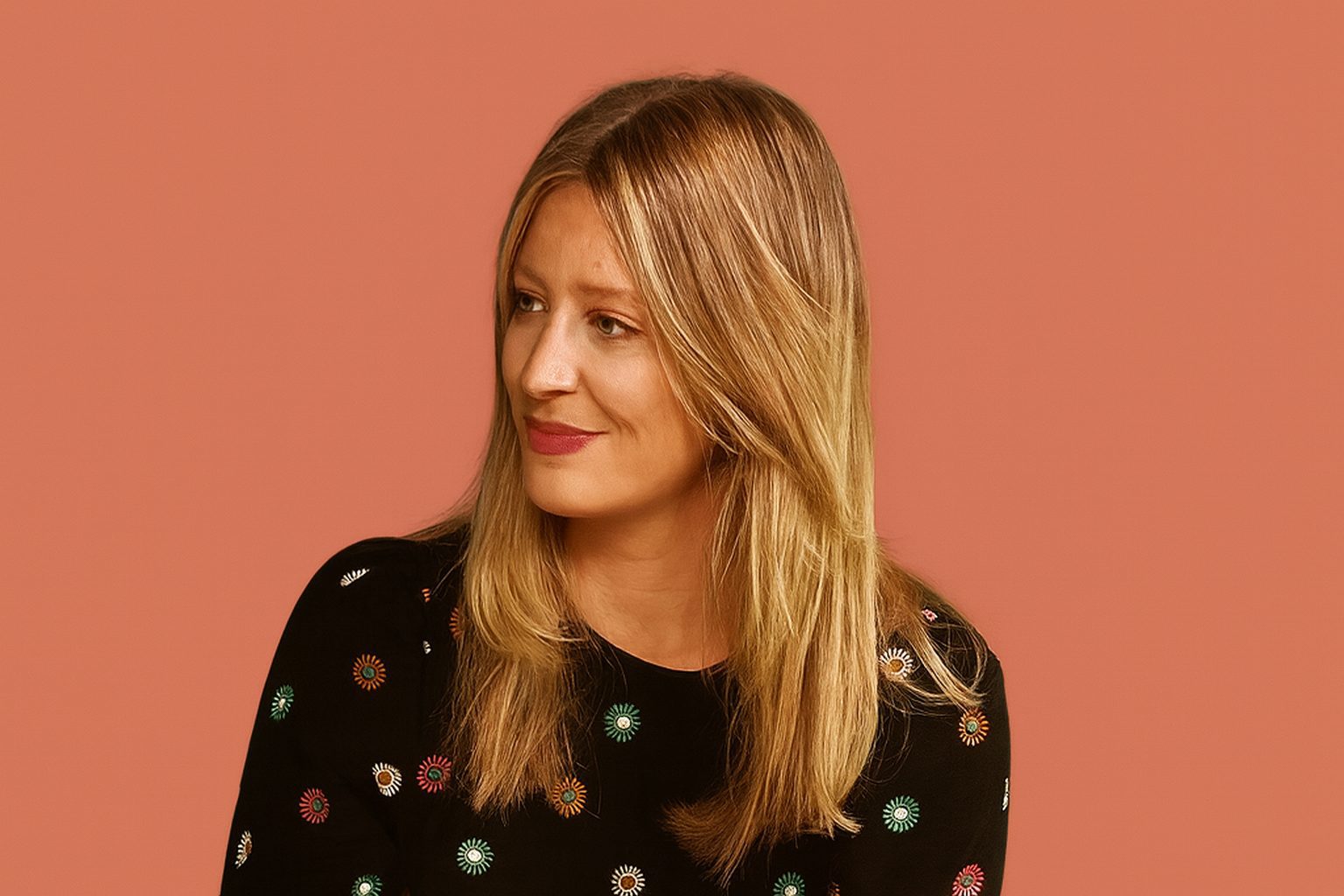
The search term “Ava Santina age” has become increasingly popular as the British political correspondent continues to appear across major UK news programmes, short-form social clips, and political commentary platforms. Her articulate delivery, strong subject knowledge, and composed on-air presence have made her one of the most recognisable political voices for younger audiences.
For readers looking to understand not only how old Ava Santina is, but also who she is, how she built her career, and why she has become so influential in UK political journalism, this article provides a comprehensive, expert-level biography designed to satisfy every aspect of user intent.
The goal is not simply to list facts, but to provide meaningful context rooted in real-world experience, newsroom dynamics, and the evolving landscape of 2020s media.
How Old Is Ava Santina?
Ava Santina Evans — professionally known as Ava Santina — is in her early thirties. Her birthday is publicly acknowledged as 21 February, a date she has referenced herself on social platforms over the years. Although journalists and biography writers have sometimes disagreed on the specific year, the consensus places her in the early-1990s birth cohort.
This means that as of 2025, Ava Santina is in her early thirties.
In an era when journalists become public figures through digital media, it’s common for certain personal details to circulate without formal biographies. Ava Santina has never made her age a focal point of her public identity, preferring to let her reporting and analysis speak for itself.
Nevertheless, the curiosity behind the keyword “Ava Santina age” reflects a broader human impulse: understanding the background of someone whose work has become increasingly visible in public discourse.
Early Life and Background
Ava Santina was born and raised in London, England, where she grew up in the cultural, political, and media center of the country. This environment likely contributed to her comfort navigating political issues, public debate, and social tensions from an early stage. London’s diversity, coupled with its fast-paced news cycle, gives many young journalists a more global lens than one might find in smaller cities.
Interest in Journalism Began Early
While Ava has kept much of her private life offline, she has spoken openly in interviews about her early attraction to storytelling, writing, and understanding how political decisions shape ordinary people’s lives. That curiosity became a foundation for her later work covering unions, strikes, and everyday workers impacted by Westminster policy.
University Years and Balancing Work
A major part of Ava’s early trajectory included balancing:
-
Academic work,
-
Radio shifts,
-
Local newsroom responsibilities, and
-
Part-time employment,
all simultaneously.
This period established the kind of resilience, discipline, and multi-tasking ability required in political journalism. It also exposed her to different types of broadcasting environments long before she became a familiar face on national television.
Her university years were not a leisurely stroll through seminars — they were a gruelling initiation into the realities of UK media. Early-morning commutes, late-night edits, and tight deadlines became the norm rather than the exception.
Such first-hand experience is crucial for any journalist who hopes to navigate the increasingly competitive world of politics reporting.
Early Career: BBC, LBC and Skill-Building
Before Ava Santina ever appeared on television screens, she built her foundation quietly and diligently behind the microphone at both BBC local outlets and LBC, one of the UK’s most prominent talk radio networks.
BBC Local Broadcasting
Her early BBC work involved:
-
Learning newsroom structures,
-
Understanding the editorial hierarchy,
-
Covering community stories, and
-
Supporting senior journalists on regional beats.
BBC local stations are known for giving young journalists their first real taste of public responsibility. They require accuracy, empathy, and the ability to communicate complex issues to a broad local audience. This training shaped her later political reporting style — direct, human, and accessible.
Transition to LBC
Ava’s move to LBC marked a turning point.
At LBC, she developed:
-
Live radio production skills,
-
Caller management techniques,
-
Political fact-checking discipline,
-
Experience under breaking-news pressure, and
-
A unique understanding of how audiences interact emotionally with politics.
Many journalists struggle to adapt to the intensity of live talk radio, where subjects can shift instantly and where callers often bring emotionally charged perspectives. Ava’s ability to remain calm, organised, and incisive during these segments became one of her defining traits.
Over time, she progressed to become lead producer for a major programme. Working in such a role — especially during pivotal national moments — sharpened her editorial judgement and broadened her understanding of how public opinion forms in real time.
From Producer to On-Camera Correspondent
A Natural Progression Forward
After years of shaping conversations behind the scenes, Ava transitioned into a role that allowed her to use her voice and analysis directly: political correspondent and on-camera reporter.
This shift is not uncommon for talented producers who demonstrate:
-
Strong political knowledge,
-
Clear communication skills,
-
A sharp editorial instinct, and
-
The ability to break down complicated stories for general audiences.
Ava Santina possessed all of these qualities, and they translated naturally to on-screen work.
PoliticsJOE: The Platform That Expanded Her Influence
Ava Santina’s visibility grew significantly after joining PoliticsJOE, a digital-first outlet aimed at younger viewers who consume most of their news through social media.
PoliticsJOE is known for:
-
Short, engaging video explainers,
-
On-the-ground interviews,
-
Humorous yet substantive political coverage,
-
A fast publishing cycle tailored to social platforms.
Ava’s work aligned perfectly with this audience.
Why She Stood Out
-
Clear, jargon-free explanations — She breaks down complex political stories without oversimplifying them.
-
Human-centred reporting — She frequently focuses on how policies affect individual workers, families, or communities.
-
Confidence in high-pressure settings — Doorstep interviews, protests, and spontaneous discussions suit her reporting style.
-
Authenticity — Her delivery resonates because she does not perform or dramatize; she communicates directly.
Through PoliticsJOE, Ava became part of a new generation of journalists reshaping political coverage for people who rarely watch traditional TV news.
TV and Radio Appearances Across the UK Media Landscape
Beyond PoliticsJOE, Ava Santina has become a go-to voice for political commentary across mainstream UK television and radio.
She has appeared on:
-
BBC panel shows,
-
Breakfast TV segments,
-
Sky News political discussions,
-
ITV morning programmes,
-
Commercial talk shows,
-
Radio phone-ins and analysis slots.
Her role in these settings is not that of a partisan critic or ideologue. Instead, she represents:
-
A younger audience perspective,
-
A digital-native reporting style, and
-
A balanced, research-driven understanding of political developments.
Her presence contributes to a diversification of voices within political media, which has historically skewed toward older, print-first journalists.
Social Media and Digital Influence
Ava Santina maintains an active presence on:
-
X (Twitter),
-
Instagram,
-
Short-form video platforms, and
-
Various guest video channels.
Her posts are often:
-
Behind-the-scenes looks at reporting days,
-
Commentary on ongoing political debates,
-
Clarifications or insights into complex political developments, or
-
Light-hearted observations about daily life in Westminster.
Relatability as a Strength
Unlike polished PR personas, Ava’s social media presence is authentic and unfiltered. This makes her relatable, especially to younger viewers who expect transparency and personality from public figures.
Her videos and commentary regularly go viral, which fuels repeated spikes in searches for “Ava Santina age”, “Ava PoliticsJOE,” and similar queries.
Public Controversies and Media Moments
A major part of Ava’s public visibility accelerated after a televised situation in which she became the subject of derogatory and misogynistic comments made by a presenter on a rival network. The incident sparked national discussion about:
-
Gendered abuse in media,
-
Treatment of women in political commentary,
-
Responsibilities of broadcasters on live television, and
-
The broader cultural environment surrounding female journalists.
Ava handled the situation with professionalism, composure, and emotional clarity. Her response elevated her public profile, but more importantly, it drew attention to a systemic problem faced by many women in journalism.
She participated in wider public conversation afterward, speaking thoughtfully about misogyny, broadcast ethics, and the importance of accountability.
Personal Life and Privacy
Ava Santina maintains a private personal life and does not publicise intimate details. Over the years, she has mentioned family moments and light-hearted personal anecdotes on social media, but she avoids oversharing or using her private life as content.
As of 2025:
-
She has not publicly confirmed marriage,
-
She occasionally references having a partner,
-
She keeps relationship details private,
-
She focuses her public persona almost entirely on her career.
This boundary between public and private life is increasingly rare in digital journalism — and likely contributes to the respect she receives from colleagues and viewers.
Public Speaking and Thought Leadership
Ava is also active in journalism conferences, student media events, and industry panels, where she speaks about:
-
Breaking into political journalism,
-
The shift from radio to digital video,
-
Story-finding strategies in fast-paced environments,
-
Navigating political reporting as a woman,
-
Building resilience in emotionally demanding news cycles.
Her advice to young journalists often emphasises:
-
Consistency over talent,
-
Self-sufficiency in finding stories,
-
The value of behind-the-scenes production experience, and
-
The importance of clear communication.
These appearances demonstrate her growing influence not just as a reporter, but as a mentor to the next generation of media professionals.
Also Read: Sanne Hamers: Biography of the Dutch Stylist & Designer
Conclusion
Ava Santina’s age — early thirties — is only a small part of a much larger story.
She has become one of the most recognisable political journalists of her generation through:
-
Authentic, human-centred reporting
-
Years of behind-the-scenes production work
-
A clear, articulate communication style
-
The ability to simplify complex political conversations
-
Relatable but firm perspectives during high-pressure discussions
Her journey from early morning radio shifts to national television debates reflects the evolving nature of 21st-century journalism — where digital creators, reporters, and correspondents must navigate multiple platforms, manage public scrutiny, and maintain both accuracy and empathy.
For readers interested in political journalism, media careers, or the people shaping public discourse, Ava Santina represents a new standard: informed, modern, accessible, and deeply human.