

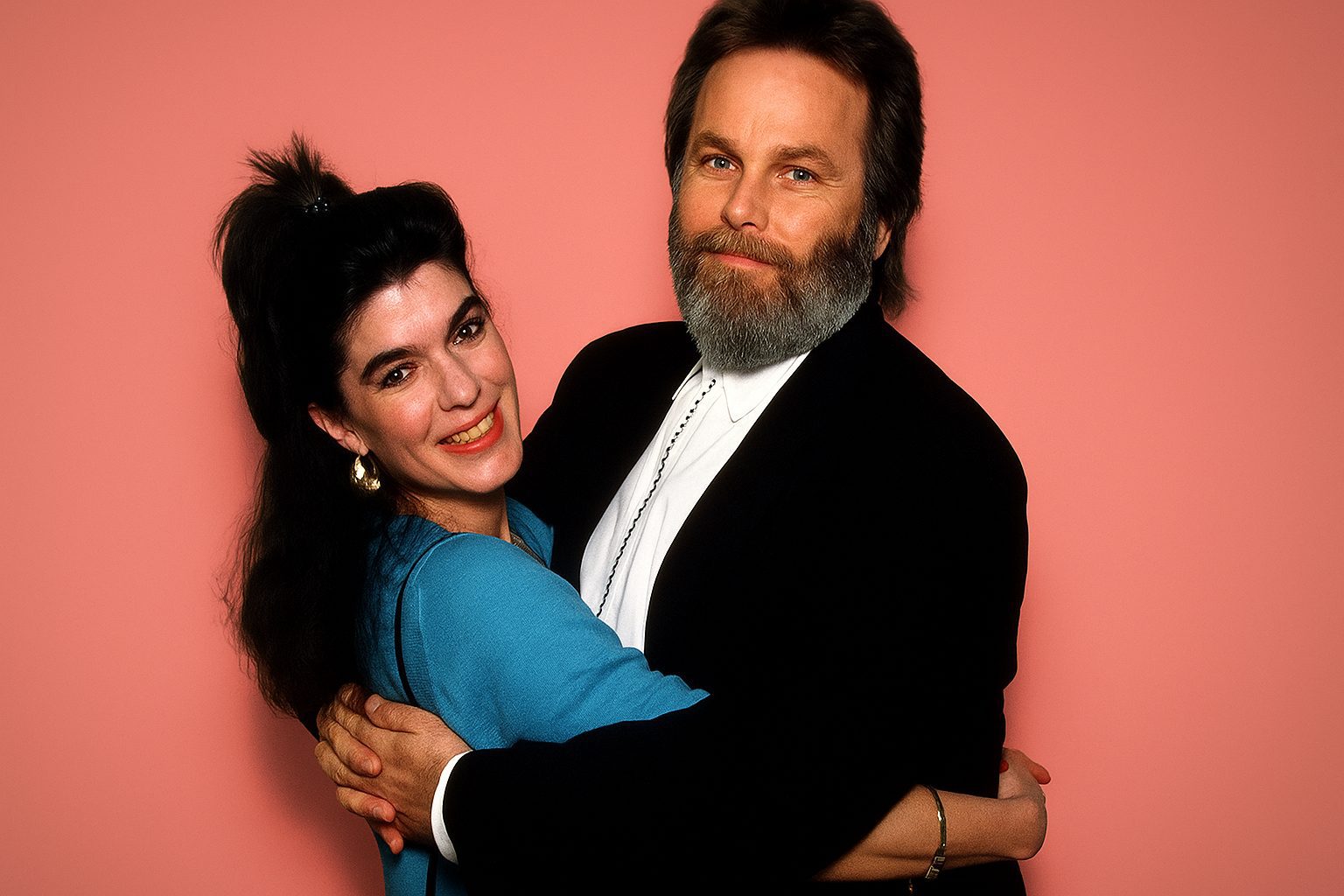
Gina Martin Wilson holds a rare place in American entertainment history. Though she has always chosen a life outside the spotlight, she remains connected to two monumental cultural legacies: the timeless Hollywood era shaped by her father, Dean Martin, and the California rock movement defined by her husband, Carl Wilson of The Beach Boys.
Her story is not one of celebrity ambition or media presence, but of quiet strength, loyalty, and the ability to navigate—and ultimately step away from—two worlds shaped by fame. She represents the part of entertainment history that lives backstage: the families, relationships, and private decisions that shape public icons.
This article offers a complete, people-first biography of Gina Martin Wilson, from her childhood in the Martin household to her marriage with Carl, her selective involvement in show business, and her peaceful life today. Every section is designed to give readers a grounded, accurate portrait without speculation or exaggeration.
Early Life: Born Into Hollywood’s Golden Era
Gina Caroline Martin was born in December 1956 in Los Angeles, arriving at a time when her father, Dean Martin, was one of the most recognizable performers in the United States. Known for his smooth vocals, effortless charm, and his work with the Rat Pack, Dean had created an image that blended music, comedy, and film into a single, charismatic persona.
Her mother, Jeanne Biegger, a former model crowned an Orange Bowl Queen, brought poise and warmth to the Martin home. Jeanne was admired for her grace, and she played a central role in providing stability during a period when Dean’s schedule was filled with nightclub acts, television appearances, film commitments, and recording sessions.
Gina grew up the youngest of Jeanne and Dean’s three children, joining her brothers Dean Paul and Ricci. The larger Martin family included eight children across three marriages, giving Gina a large, blended support network. Many of her siblings were musically or artistically inclined, which meant creativity and performance were part of daily life.
Despite the glamour that surrounded the family, Dean and Jeanne protected their children’s routines. Dinner at home, chores, and school responsibilities coexisted with the reality that their father was a household name. Industry friends, studio executives, and Rat Pack associates frequently visited, but the Martins were known for handling fame with an unexpected sense of normalcy.
Growing Up In a Celebrity Household
Being the daughter of Dean Martin came with visibility, even if Gina herself was not constantly in the public eye. Her childhood included red-carpet moments, studio visits, and glimpses of her father performing on television or in concert halls. But it also included the less glamorous side of celebrity life: demanding schedules, frequent travel, and the emotional strains that come with having a globally recognized parent.
By her teenage years, Gina was watching her two brothers explore careers in acting and music. Dean Paul pursued aviation, modeling, and entertainment before his tragic plane accident in 1987, while Ricci built a career as a musician, author, and part-time performer in tribute shows. These parallel paths likely shaped Gina’s feelings toward fame—giving her a clear view of its opportunities and its emotional weight.
When Dean and Jeanne divorced in 1973 after around twenty-four years of marriage, Gina experienced a major shift in the family structure. She was still young, adjusting to changes that affected her siblings differently. Dean continued performing at a relentless pace, while Jeanne remained deeply committed to maintaining family cohesion.
Over the following decades, Gina endured multiple personal losses: first her brother Dean Paul, then her father in 1995, and eventually her brother Ricci in 2016. Each loss added another layer of emotional depth to her preference for privacy, underscoring her desire to live life with intention rather than public exposure.
A Quiet and Selective Relationship with Acting
Although she did not pursue a full-time entertainment career, Gina did make a few selective on-screen appearances. Her earliest moments in front of the camera came through The Dean Martin Show, the beloved variety program that showcased her father’s comedic style, music performances, and warm rapport with guests.
Later, in the 1980s, she appeared in a television special that blended comedy and drama. While modest, these appearances showed that Gina possessed a natural comfort on camera. Yet she did not continue down that path, even though the opportunity for greater visibility was always available to her.
What stands out about Gina’s brief acting chapter is her clarity: she stepped into entertainment only when it made sense for her, not because she felt pressure to follow the family tradition. Her decisions reflected a strong sense of self, shaped by the unique environment she grew up in.
Meeting Carl Wilson: A Connection Between Two Legendary Worlds
The next defining chapter of Gina’s life began when she met Carl Wilson, the youngest of the Wilson brothers who co-created The Beach Boys. Carl was known not only for his talent—his lead vocals on songs like “God Only Knows” remain some of the most celebrated in pop history—but also for his stability and musical discipline.
Gina and Carl’s connection grew through mutual friends in the Los Angeles music scene. Her brother Ricci, always well-connected in California’s creative circles, helped bridge interactions between the Martin and Wilson families. Their relationship developed gradually, grounded in shared experiences that only those raised around fame fully understand.
For both Gina and Carl, this relationship offered a rare sense of familiarity and balance. They were two people who had grown up inside very public worlds, but who longed for grounded personal lives.
They married in November 1987 in a private Las Vegas ceremony that reflected their preference for intimacy rather than spectacle. The marriage brought together two major American music legacies, but Gina and Carl treated their partnership as something personal, not promotional.
Partnership and Life on the Road
During the years that followed, Gina became an integral part of Carl’s life both on and off the stage. She frequently accompanied him on tours as The Beach Boys navigated shifting lineups, evolving musical trends, and the challenges of preserving a classic American sound in a changing industry.
Those close to the Beach Boys’ circle often described Gina’s presence as quietly grounding. She offered calm, emotional steadiness, and private support at a time when touring life could be relentless. Carl was known as the “heart” of the band for both his musical sensitivity and his stabilizing influence, and Gina mirrored that steadiness in their relationship.
They did not have children together, but Gina supported Carl’s sons from his previous marriage, adding another dimension to the quiet personal life they cultivated. Their home reflected a desire for normalcy: shared meals, private family time, and an atmosphere far removed from the bright lights of Hollywood and the music industry.
In the mid-1990s, Carl was diagnosed with lung cancer. Despite his illness, he continued performing for as long as he could, fueled by passion and commitment to the band he helped shape. Gina stood beside him throughout his treatments and final months, reinforcing the strength of their bond. Carl passed away in early 1998, marking the end of an era not only for the Beach Boys, but also for Gina’s personal life.
Life After Carl Wilson: A Deliberate Step Into Privacy
Following Carl’s death, Gina gradually stepped away from public life. She did not remarry or pursue new roles in entertainment. Instead, she chose a slower, more private existence focused on family, personal interests, and emotional healing.
Occasional reports place her at tribute events honoring Dean Martin or Carl Wilson, but these appearances are rare and always respectful—not promotional, not attention-seeking, simply present. She has never maintained a public digital presence and has avoided interviews about her private life.
In a modern era where many celebrity-adjacent individuals build online platforms or personal brands, Gina stands out as someone who values privacy deeply. She seems to have made peace with life outside the public narrative, embracing a world defined by personal relationships rather than public memorability.
Public Curiosity and What Is Known Today
Interest in Gina Martin Wilson remains steady among fans of both Dean Martin and The Beach Boys. People often search for her biography, marital history, family connections, and information about her life today. Some sites publish estimated financial figures, but these numbers are speculative and not based on public disclosure.
What can be said confidently is that Gina has intentionally kept her personal life separate from public consumption. The details she has chosen not to share are part of the life she has built—private, measured, and grounded.
Her story is not about fame but about proximity to it, the realities behind it, and the choices one makes when standing close to legendary figures.
Also Read: Hermine Poitou: French Artist, Designer & Partner of David Thewlis
Conclusion: Why Gina Martin Wilson’s Story Matters
Gina Martin Wilson’s life is not a typical Hollywood tale. She is the daughter of one legendary entertainer and the wife of another, yet she never used those connections to build a public identity. Instead, her story is defined by emotional resilience, loyalty to family, the ability to navigate intense loss, and a long-standing commitment to privacy.
She represents a quieter side of entertainment history—the people who support world-famous performers, stand beside them during their highest and lowest moments, and choose personal integrity over public attention.
In an era where celebrity culture rewards visibility, Gina Martin Wilson offers a different message: that dignity can be found in privacy, that a meaningful life does not require fame, and that the most remarkable chapters often happen quietly, far from cameras and headlines.
Her legacy lives not in performances or interviews, but in the lives of the two iconic families she helped connect and the example she set by choosing a grounded, authentic path.