

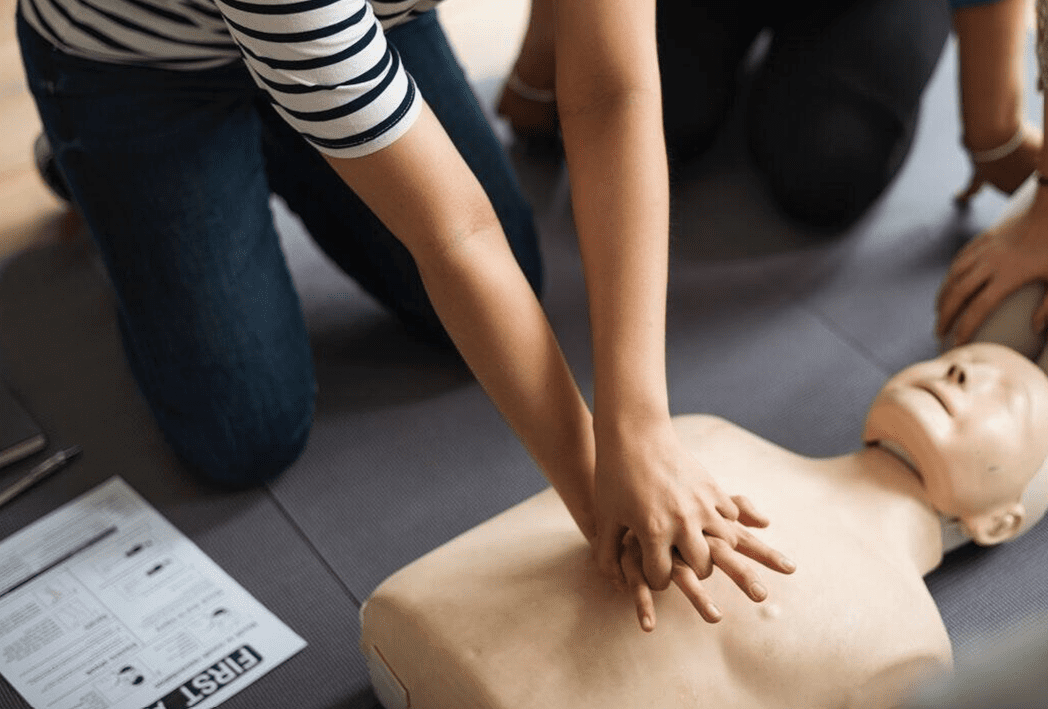
Safety training is not only for workers or professionals. It is a smart choice for everyday life. Emergencies can happen at any time.
Fires, accidents, or medical problems can occur without warning. When people know what to do, they can respond quickly and safely. Learning safety skills helps people protect themselves and others.
It builds confidence and helps reduce panic during dangerous situations. Safety training is not just about rules-it is about being prepared for life. Read on.
Understanding Everyday Risks
Many accidents happen because people do not notice dangers around them. Simple things like wet floors, faulty wiring, or blocked exits can cause serious problems.
Safety training helps people see these risks before accidents happen. When people understand common hazards, they become more careful in their daily activities. This can prevent injuries at home, at work, or in public places.
Being aware of risks also helps people make safer decisions. For example, someone trained in safety will check for fire hazards or make sure emergency exits are clear.
Learning Basic Emergency Skills
In an emergency, every second matters. Safety training teaches people how to act quickly and calmly.
For example, people can learn basic first aid, how to use a fire extinguisher, and how to evacuate safely during emergencies. These skills can help save lives.
When people know what to do, they are less likely to panic. Instead, they can help others and control the situation until professional help arrives. Visit one of the top CPR training programs to get more info.
Building a Prepared Mindset
Safety training also teaches people to always be prepared. Being prepared means thinking ahead and planning for possible emergencies.
Prepared people often keep emergency kits at home. They may also create evacuation plans for their families. These simple steps can make a big difference during disasters.
When many people in a community practice safety awareness, everyone becomes safer. Communities that value safety are better prepared to face emergencies.
Improving Confidence in Crisis Situations
Another important benefit of safety training is the confidence it builds. During emergencies, people often panic because they are unsure what to do.
Safety training provides clear steps and guidance. When people understand how to react, they feel more in control of the situation. This confidence helps them stay calm and think clearly.
Confident individuals can also guide others during emergencies. Instead of adding to the chaos, they can help organize safe actions and support those who need assistance.
Encouraging a Culture of Safety
Safety training also helps create a culture of safety in homes, schools, and workplaces. When people understand the importance of safety, they are more likely to follow safety rules and encourage others to do the same.
A strong safety culture means everyone looks out for one another. People report hazards, follow proper procedures, and work together to prevent accidents.
This shared responsibility makes environments safer for everyone. Over time, safety becomes a natural habit rather than something people only think about during emergencies.
Safety Training Protects Lives
Choosing to learn safety training is a way to protect life. It gives people the knowledge they need to prevent accidents and respond to emergencies.
Safety training also brings peace of mind. When people feel prepared, they feel more confident in handling unexpected situations.
In the end, safety training is more than just learning a skill. It becomes a lifestyle. When safety becomes part of everyday habits, families, workplaces, and communities all become safer.
If you want to read more articles, visit our blog.


