

In the age of search engines and instant information, a single name can spark sustained curiosity. One such example is Noah Wilder Russell Thorton, a phrase that continues to appear in online searches years after it first entered public awareness. At first glance, it looks like the name of a private individual. Dig a little deeper, however, and it becomes clear that the interest surrounding this name is less about public actions and more about how the internet processes, repeats, and sometimes distorts information—especially when it involves the children of well-known figures.
This article explores what can responsibly be said about the name Noah Wilder Russell Thorton, why people keep searching for it, and what this phenomenon reveals about digital identity, celebrity culture, and privacy in a connected world.
The Origin of the Name in Public Awareness
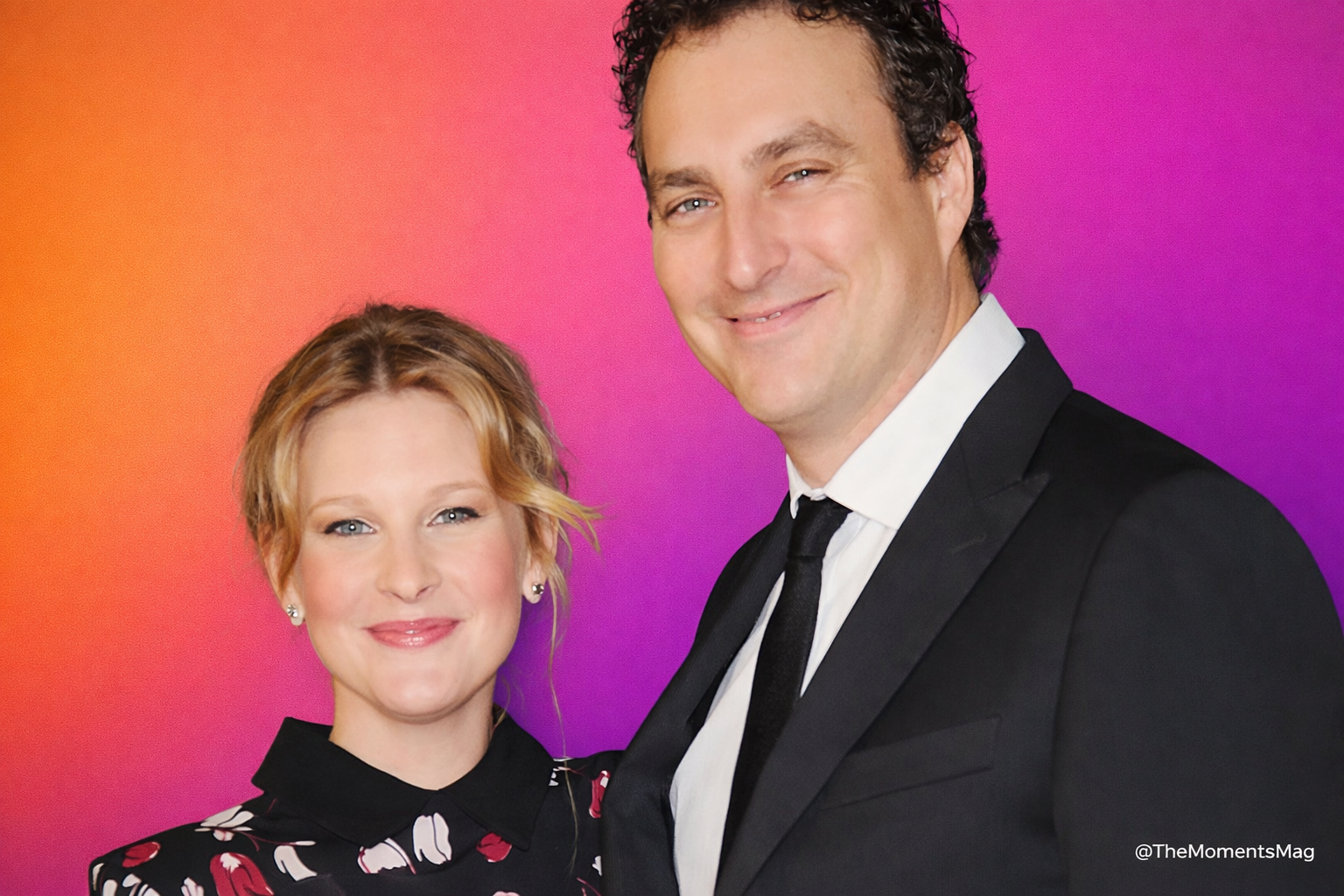
The name Noah Wilder Russell entered public discourse in December 2016 following the birth announcement of a child to British actors Joanna Page and James Thornton. At the time, entertainment media reported the news in a straightforward manner, focusing on the parents’ joy and briefly sharing the baby’s name and birth details. This type of coverage is common when public figures welcome a child and usually fades quickly as media attention moves on.
However, one detail has had a lasting effect online: variations in spelling. While reliable sources consistently used the surname “Thornton,” a noticeable number of websites and search queries adopted the spelling “Thorton.” Over time, this misspelling began to circulate independently, becoming embedded in search results and replicated across low-authority biography-style pages.
As a result, “Noah Wilder Russell Thorton” began to function almost like a separate digital identity, despite referring to the same individual.
Why the Name Continues to Appear in Searches
Search trends are not driven only by current events. Often, they are sustained by how algorithms learn from user behavior. When enough people search for a specific phrase—even one that contains an error—search engines interpret it as relevant and continue to surface it. Autocomplete suggestions reinforce this loop, encouraging repetition rather than correction.
Another factor is the structure of online content creation. Names, especially distinctive full names with multiple middle names, are attractive targets for quick SEO-driven articles. These pages typically recycle publicly available information without adding meaningful context or verification. Once indexed, they multiply, giving the impression that there is more information available than actually exists.
In this case, there has been no ongoing public story involving Noah Wilder Russell. The continued interest is largely mechanical, driven by search behavior rather than new developments.
Public Figures, Private Children
A crucial aspect of this topic is the distinction between public figures and their children. Joanna Page and James Thornton are actors whose professional lives are, by definition, public. Their child is not. Ethical journalism draws a clear line between reporting newsworthy events and respecting the long-term privacy of minors.
Beyond the initial birth announcement, there has been no legitimate public interest justification for further coverage. Reputable outlets have not reported on schooling, daily life, or personal milestones, and that restraint is intentional. It reflects an understanding that children should not inherit public exposure simply because of their parents’ careers.
Yet, the internet does not always follow editorial judgment. Once a name is indexed, it can be copied, rephrased, and republished indefinitely, even in the absence of new facts.
Digital Identity and the Problem of “Shadow Profiles”
One of the most important implications of this case is the concept of a shadow digital profile. This occurs when fragmented or inaccurate information creates an online footprint that exists separately from a person’s real life. Misspellings play a significant role in this process, as search systems often treat them as distinct entities.
For a child, this can mean growing up with an online presence they did not create and cannot easily control. Even when the information is minimal, its persistence raises questions about consent, agency, and future impact. As children become teenagers and adults, old search results may resurface in contexts they never anticipated.
This concern has led regulators and child advocacy groups to push for stronger protections around children’s data, including clearer rules for search engines and content platforms.
The Broader Context of Children and the Internet
The case of Noah Wilder Russell Thorton fits into a much larger pattern. Research consistently shows that children’s interaction with the internet begins early and becomes nearly universal by adolescence. Social platforms, search engines, and content-sharing sites form part of everyday life, often long before individuals fully understand how data permanence works.
Parents, meanwhile, navigate a complex environment where sharing moments online feels normal, yet carries long-term consequences. Even limited exposure, such as a single announcement, can be enough to establish a permanent digital reference point.
Governments and regulators have begun responding to these realities with frameworks aimed at making online spaces safer by default for children. These efforts acknowledge that responsibility cannot rest solely on families, especially when automated systems amplify content at scale.
Responsible Curiosity in a Search-Driven World
It is natural to be curious when encountering an unfamiliar name in search results. The challenge is distinguishing between information that is genuinely informative and content that exists primarily to capture attention. In this case, the responsible conclusion is that there is very little to know beyond the confirmed facts of birth and parentage.
Readers can play a role in shaping healthier information ecosystems by favoring credible sources, avoiding invasive content, and recognizing when silence is appropriate. Not every name that appears online represents a story that needs to be expanded.
Also Read: Alex Ramsey: What We Know About Bella Ramsey’s Father
Conclusion
The continued appearance of the search term “Noah Wilder Russell Thorton” is less a reflection of an individual’s public life and more a mirror of how the internet handles names, errors, and repetition. What began as a simple birth announcement evolved into a persistent search query through misspelling, algorithmic reinforcement, and low-value content replication.
When viewed carefully, the facts are clear and limited. Beyond them lies an important reminder: children, even those connected to public figures, deserve privacy, context, and restraint from both publishers and audiences. In a digital environment that rewards amplification, choosing not to speculate is sometimes the most responsible action of all.