

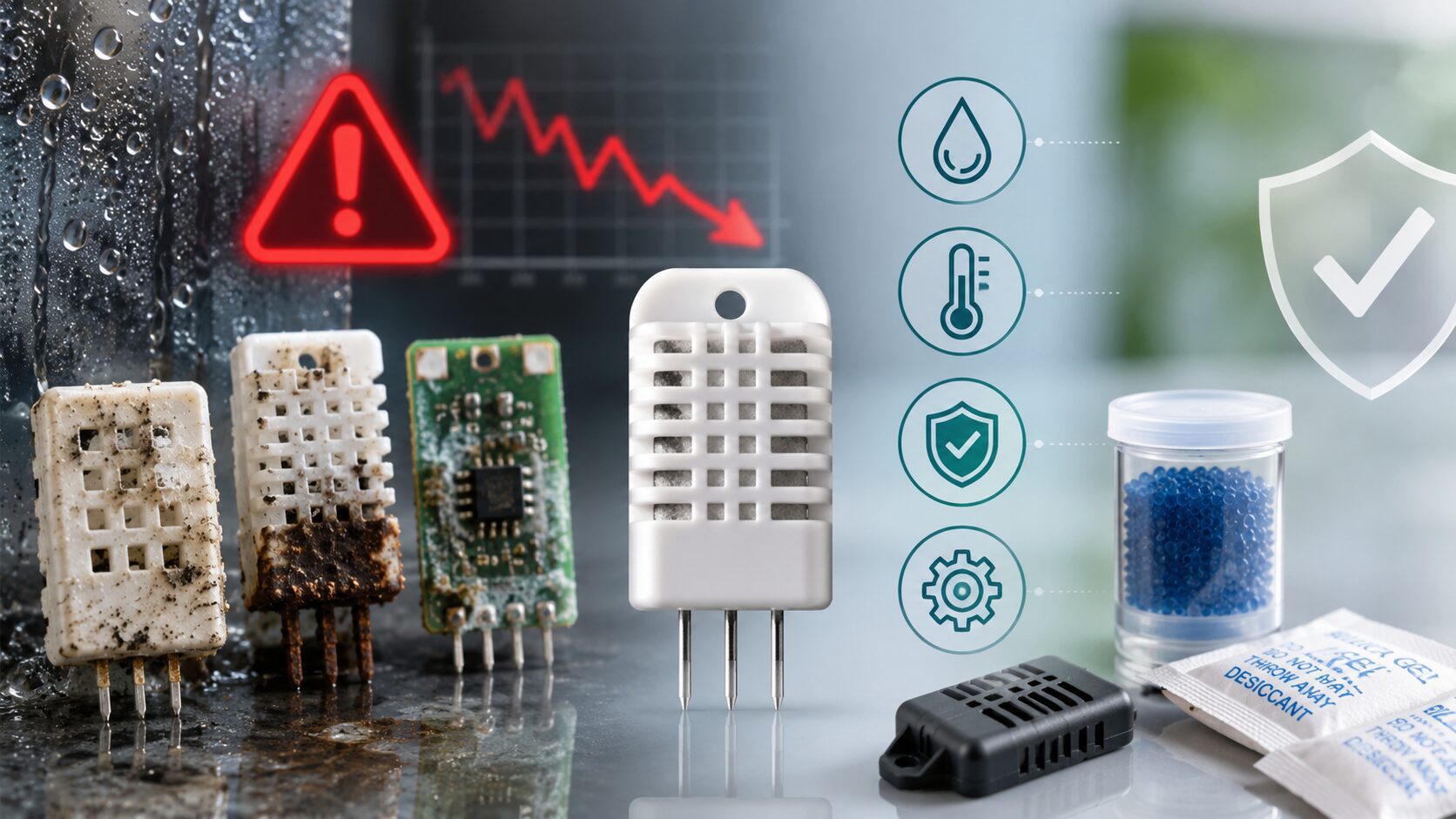
Maintaining accurate environmental conditions is essential across industries that rely on precise monitoring of moisture levels. From manufacturing units to storage facilities, humidity plays a critical role in protecting equipment and materials, and in maintaining overall operational efficiency.
Humidity sensors are key electrical instruments that measure and regulate moisture levels, ensuring systems operate within defined parameters. When these devices fail or deliver inaccurate readings, it can lead to operational inefficiencies and potential damage to sensitive equipment. Understanding how humidity sensors support industrial monitoring systems helps industries recognize their importance in maintaining controlled environments. These devices support better decision-making, improve system reliability, and enhance process efficiency.
This blog explores common failures in a humidity sensor and how to prevent them effectively.
Contamination and Environmental Exposure
Dust, chemicals, and other contaminants can affect the performance of humidity sensors. When these particles accumulate on the sensing element, they interfere with accurate measurement and reduce device efficiency.
By deploying protective enclosures and placing sensors in suitable locations, organizations can minimize exposure to harmful elements. Regular cleaning and maintenance of electrical equipment also helps ensure that a humidity sensor performs effectively.
Using filters and protective coatings further enhances durability and reduces the impact of harsh environmental conditions.
Sensor Drift and Calibration Issues
One of the most common problems with humidity sensors is sensor drift, where readings gradually become inaccurate over time. This often occurs due to prolonged use, exposure to harsh conditions, or a lack of proper calibration.
To prevent this, industries should employ regular calibration schedules and use high-quality electrical instruments that maintain accuracy. Proper calibration ensures that a humidity sensor continues to deliver reliable data for consistent monitoring.
Additionally, maintaining calibration records helps track performance trends and supports timely corrective actions when deviations are observed.
Electrical Failures and Signal Interference
Electrical issues such as voltage fluctuations or signal interference can disrupt the functioning of humidity sensors. These problems may lead to inconsistent readings or complete device failure, affecting system performance.
To address this, industries should incorporate stable power supplies and proper grounding techniques. Using reliable electrical equipment and devices helps reduce the risk of interference and ensures that a humidity sensor operates smoothly.
Shielded cables and surge protection devices can also improve signal stability and protect sensitive components from damage.
Improper Installation and Placement
Improper installation is another factor contributing to sensor failure. Placing humidity sensors in areas with uneven airflow, excessive heat, or direct moisture exposure can lead to inaccurate readings.
To prevent such issues, it is important to deploy sensors in locations that represent actual environmental conditions. Proper positioning ensures that a humidity sensor captures accurate data and supports effective monitoring.
Conducting site assessments before installation can further improve placement decisions and enhance measurement accuracy over time.
Aging and Wear of Components
Over time, the internal components of humidity sensors may degrade due to continuous operation. This can reduce sensitivity and lead to delayed or incorrect readings.
Regular inspection and timely replacement of aging components are essential to maintain performance. Employing high-quality devices and properly maintaining them can extend the lifespan of a humidity sensor and improve its reliability.
Establishing a preventive maintenance schedule also helps identify early signs of wear and ensures uninterrupted system functionality.
Ensure Reliable Performance with the Right Approach to Humidity Sensors
Humidity sensors are essential for maintaining controlled environments and protecting critical equipment across various industries. Their ability to measure and regulate moisture levels supports efficient operations and reduces the risk of damage caused by environmental fluctuations. However, addressing common failures such as drift, contamination, and electrical issues is necessary to maintain accuracy and reliability.
By adopting proper installation practices, performing regular maintenance, and using high-quality equipment, industries can improve humidity sensor performance. Collaborating with a reputed electrical brand further ensures dependable devices and expert support.
Taking these steps helps build efficient monitoring systems that support consistent performance and long-term operational success.