

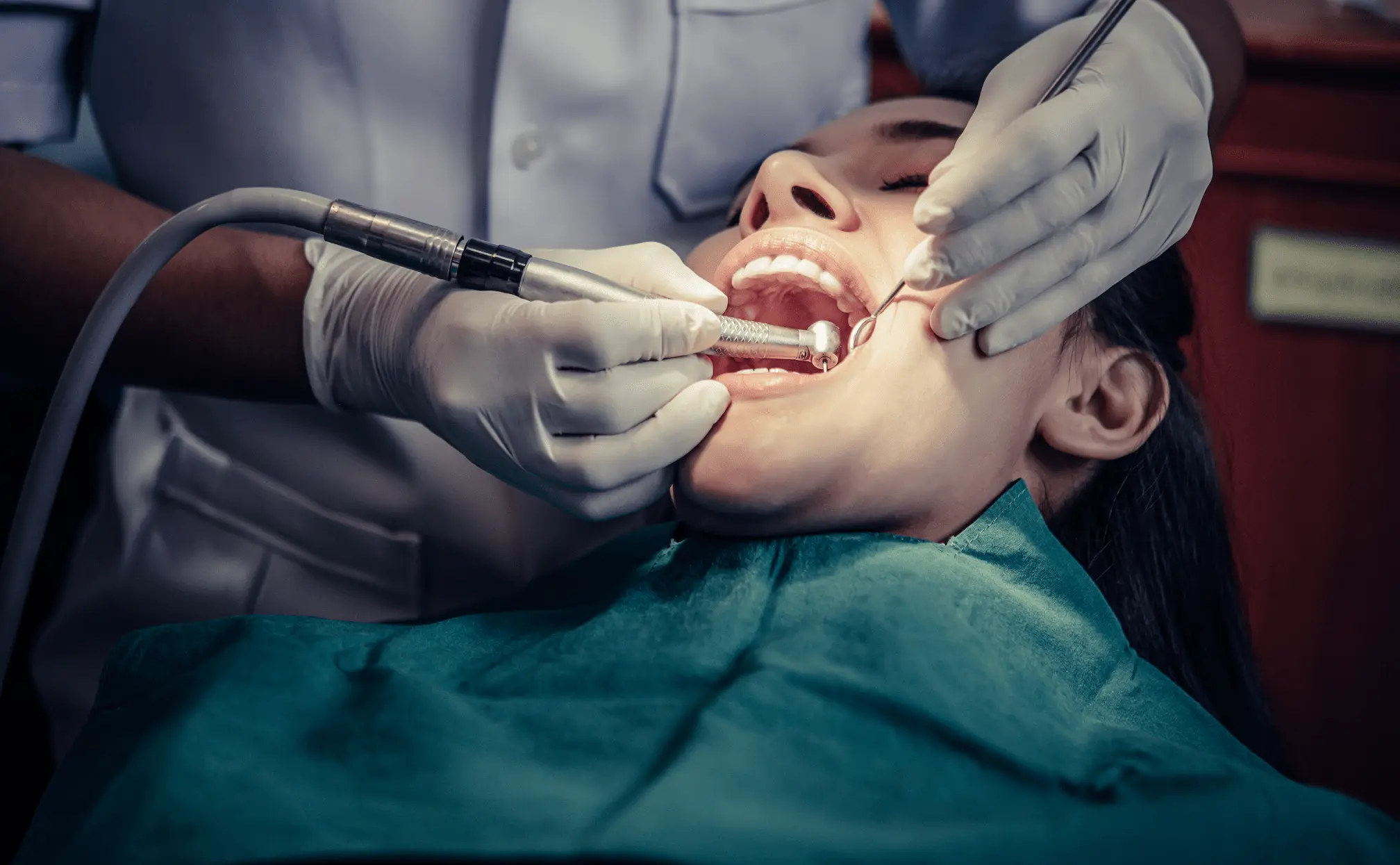
Modern restorative dentistry is experiencing a massive technological transformation across Australia. Traditional, uncomfortable procedures that once defined the patient experience are rapidly making way for digital innovations that drastically improve clinical precision and patient comfort. By moving away from passive, structural replacements, the contemporary dental industry is actively embracing smart, highly integrated diagnostic systems. These state-of-the-art technologies empower local clinicians to repair, protect, and regenerate teeth with unprecedented efficiency, entirely redefining the patient experience for a new generation of healthcare consumers.
The Rise of CAD/CAM and Intraoral Scanning
One of the most noticeable advancements in modern Australian clinics is the eradication of traditional putty impressions. Advanced intraoral scanners now capture exceptionally precise three-dimensional digital maps of a patient’s mouth within minutes, completely eliminating the gag reflex and discomfort previously associated with physical moulds. These highly detailed scans link directly to localized Computer-Aided Design and Computer-Aided Manufacturing (CAD/CAM) software systems.
Rather than sending physical moulds to an external laboratory and waiting weeks for a custom crown, veneer, or bridge to be fabricated, dental practitioners can now design and mill durable prosthetics right by the chairside. This micro-precise manufacturing capability significantly minimises human error, ensures an impeccable fit that aligns perfectly with the patient’s natural bite, and dramatically reduces the need for multiple follow-up appointments.
Advanced Materials and Eco-Friendly Innovations
As clinical processes become highly digitalized, the underlying chemistry of dental restorations is evolving alongside them. Dentists are moving away from traditional metal amalgams and brittle composite resins in favour of resilient, biocompatible alternatives. Modern zirconia and high-strength glass ceramics replicate the natural translucency and strength of real teeth while offering superior long-term performance under the heavy forces of mastication.
Furthermore, environmental sustainability has become a prominent pillar of modern clinical engineering and patient demand. Industry research highlights that eco-friendly materials are influencing restorative dentistry today, sparking a major transition toward mercury-free formulations, biodegradable compounds, and green polymer chemistry. These sustainable restorations actively reduce the ecological footprint of modern dental practices while minimizing toxic microplastic waste and chemical run-off, proving that premium oral care can be both clinically exceptional and environmentally responsible.
Bioactive and Smart Restorations
Innovation has shifted the focus of dental fillings from inert, passive blocks to dynamic, protective materials. The newest generation of restorative dentistry relies heavily on bioactive composites and modified glass ionomer cements. These “smart” materials respond dynamically to environmental triggers within the oral cavity, such as dangerous pH drops caused by dietary sugars and acid-producing bacteria.
When acidity rises to harmful levels, these bioactive materials release essential minerals like calcium, phosphate, and fluoride directly into the surrounding tooth structure. This continuous ion release acts as a chemical shield, buffering the local environment, promoting natural enamel remineralization, and actively stopping secondary decay from forming beneath the restoration. By working in harmony with natural human biology, these materials significantly extend the lifespan of the treatment.
AI Diagnostics and Preserving Tooth Structure
Artificial Intelligence (AI) is establishing itself as an invaluable asset for precise treatment planning and early intervention. Specialized AI algorithms integrate seamlessly with digital X-rays and cone-beam computed tomography (CBCT) scans to spot microscopic signs of structural failure, bone loss, or interproximal decay that might elude the human eye during a routine visual inspection.
By detecting structural weaknesses at the earliest possible stage, clinicians can practice truly minimally invasive dentistry. This conservative philosophy prioritises preserving as much natural enamel and dentine as possible, utilizing ultra-precise laser tools and targeted air abrasion rather than aggressive drilling. Consequently, patients experience far less discomfort, retain their natural tooth structure, and avoid the need for more complex root canal therapies or extractions later in life.
Digital Integration and Patient-Centric Software
The overarching ecosystem supporting these physical innovations relies on highly sophisticated data management networks. Cloud-based patient platforms allow different dental specialists, oral surgeons, and lab technicians to collaborate instantly, sharing high-definition scans and diagnostic histories securely to coordinate complex, multi-stage reconstructions.
Looking forward, the ongoing evolution of these operational ecosystems ensures that the future of dental software will continue to streamline practice workflows, embed smarter predictive analytics, and deeply enhance automated patient care. Through the seamless merger of advanced materials, automated machinery, and intelligent digital architecture, restorative dentistry has transformed into a highly efficient, sustainable, and remarkably predictive discipline.