

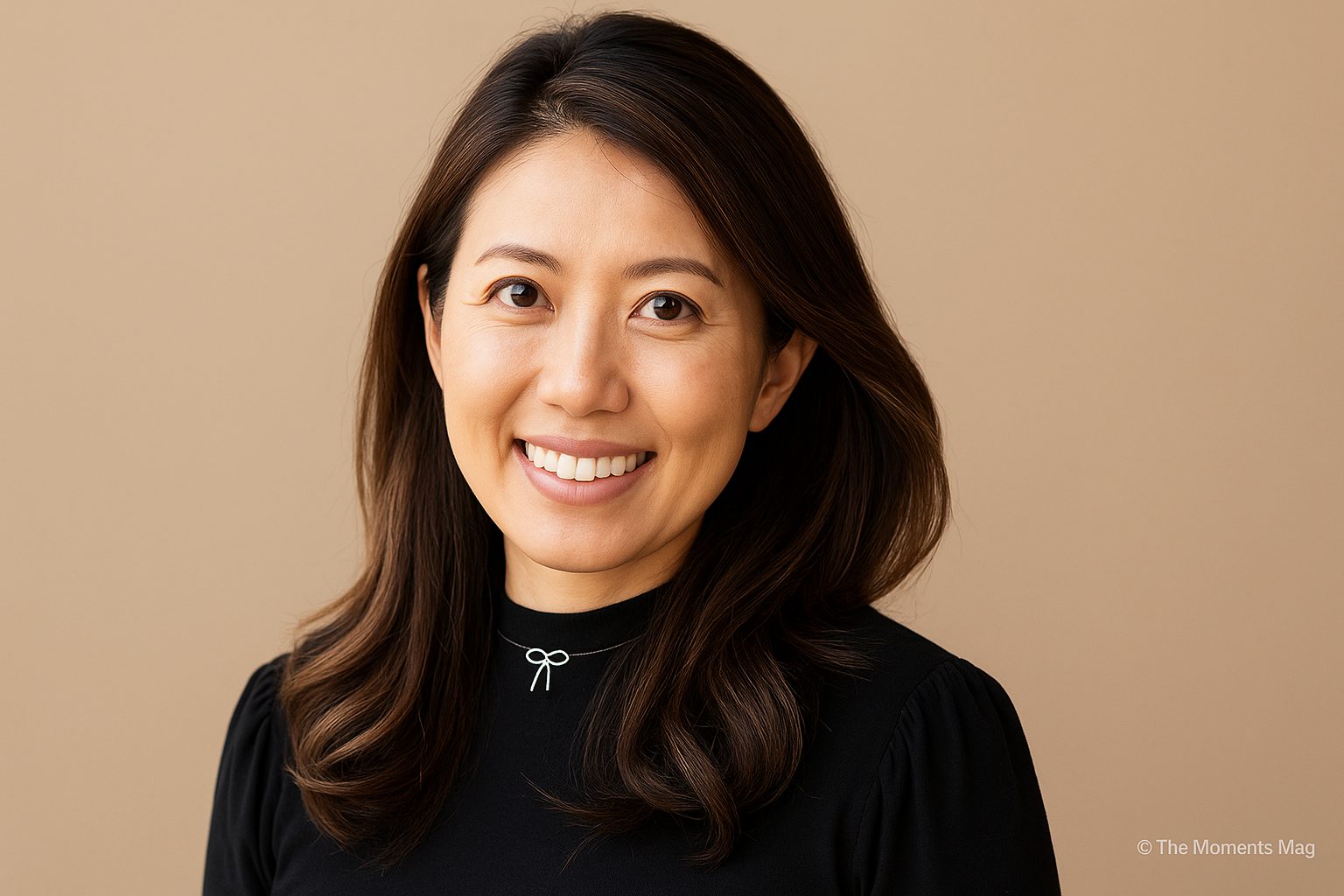
Wendy Lang has become a name many people search for, yet she remains someone who prefers to work quietly, steadily, and far from the spotlight. Known publicly as the wife of political commentator and media founder Cenk Uygur, she is, in her own professional world, far better recognized as a seasoned marriage and family therapist in Beverly Hills. Over more than two decades, Lang has earned respect not through celebrity connection, but through the steady, careful work of helping children, teens, and families navigate emotional challenges with clarity and compassion.
Her reputation is shaped by two parallel threads. One is her clinical commitment to supporting gifted and twice-exceptional young people, a population that often struggles quietly beneath high expectations. The other is her deliberate choice to maintain a private, grounded family life even while married to a highly public figure. Together, these pieces form a portrait of someone whose story resonates precisely because it is rooted in meaningful, real-world work rather than public performance.
Early Life, Cultural Identity, and the Path into Therapy
Although details about Wendy Lang’s early childhood remain private—and purposefully so—her professional biography makes clear that her cultural background plays an essential role in the therapist she eventually became. With Taiwanese roots and a life shaped by her Asian-American identity, Lang learned early how culture influences communication, expectations, and emotional expression within families.
Her academic path began in Taiwan, where she studied clinical psychology at Fu Jen Catholic University. Those foundational years immersed her in rigorous psychological theory within a culturally diverse environment. Eventually, she transitioned to the United States to continue her education, completing a master’s degree in Marriage and Family Therapy at the University of Southern California. That period of training introduced her to family-systems work, psychodynamic principles, and the multicultural frameworks that later defined her therapeutic style.
A move from Taiwan to Los Angeles required adaptability and resilience—qualities that often shine through in her work. They also inform the way she connects with immigrant families and multicultural households, particularly those who may feel caught between traditional expectations and the emotional realities of modern American life.
A Career Built on Supporting Children, Teens, and Families
After earning her graduate degree, Lang spent years working in community mental-health settings, supporting children and teens in neighborhoods facing chronic stress and instability. Her work as a children’s social worker exposed her to the most difficult family environments—homes disrupted by trauma, poverty, or sudden life changes—and helped her understand the layers of pressure that shape a child’s emotional world.
Those foundational years offered something private practice rarely can: a real-time look at systems, schools, courts, caregivers, and crises converging around vulnerable children. The experience sharpened her sense of empathy and gave her a grounded understanding of practical family dynamics, not just textbook theory.
Eventually, Lang opened her own practice in Beverly Hills, where she shifted from crisis settings to a more focused therapeutic environment. In her office, children explore their feelings through play and art, teenagers learn to articulate the anxieties they often hide from parents, and adults examine the patterns that quietly govern family relationships. Her style is warm, perceptive, and curious—an approach rooted in the belief that emotional struggles rarely exist in isolation.
Today, Lang directs Beverly Hills Child and Family Counseling, guiding multiple therapists while continuing her own clinical work. She sees clients in person and virtually, offering support that ranges from short-term consultations to deep, long-term therapeutic relationships.
Advocacy for Gifted and Twice-Exceptional Children
One of the most defining aspects of Lang’s career is her commitment to gifted and twice-exceptional (2e) children—young people whose advanced intellectual abilities often mask underlying struggles. Many parents first come to her office puzzled by a child who excels academically yet collapses emotionally under pressure, or who displays remarkable insight one moment and profound frustration the next.
Lang recognized early that giftedness is more than academic ability. It often carries intensities, sensitivities, asynchronous development, and perfectionistic tendencies that can trigger emotional overload. For some families, the mismatch between a child’s intellectual strengths and their emotional or behavioral challenges becomes a source of confusion and guilt.
Her work deepened further when she became a SENG Model Parent Group facilitator, supporting families of gifted and 2e youth through guided discussions that normalize their experiences. These groups offer parents a place to understand motivation, emotional outbursts, friendship struggles, and the fear of being “different”—all issues gifted children commonly navigate.
Lang’s insight grows not only from professional expertise but also from personal experience. She has openly described raising a twice-exceptional child herself, which gives her a lived understanding of the unique joys and frustrations families encounter. This blend of personal and professional knowledge shapes a therapeutic approach that feels grounded, empathetic, and deeply informed.
How She Approaches Therapy: A Blend of Systems, Emotion, and Culture
Lang’s work is anchored in the principles of marriage and family therapy, a perspective that sees emotional pain not as an isolated problem but as part of a larger relational system. In her sessions, a child’s anxiety might be connected to parental communication patterns, cultural expectations, school pressures, or even unspoken family losses.
With younger children, play becomes the language of therapy. Toys, stories, and creative expression give shape to emotions that kids cannot yet verbalize. Teenagers, by contrast, often need a place where pressure relaxes enough for honesty to surface—where someone listens without judgment to fears about identity, achievement, friendships, and the messy transition into adulthood.
Parents frequently participate in the therapeutic process. Lang guides them through understanding developmentally realistic expectations, recognizing emotional cues, and responding to behaviors in ways that strengthen rather than fracture family relationships. Cultural sensitivity threads through her work as well. Families navigating multilingual households or bicultural identities often find comfort in a therapist who understands the subtleties of cultural obligation, academic pressure, and unspoken emotional expectations common in many Asian-American communities.
Marriage to Cenk Uygur and Life Away from the Public Eye
Outside her clinic, many people know Wendy Lang through her marriage to Cenk Uygur, founder of The Young Turks and a prominent voice in progressive political commentary. The couple married in 2008 and have two children together. While Uygur’s career places him firmly in public life, Lang’s professional world is intentionally grounded in privacy and discretion.
Friends and media observers often note the contrast between Uygur’s outspoken, highly visible persona and Lang’s quiet, steady presence. She appears occasionally in social settings or through family moments shared online, yet she maintains a strong boundary between her personal life and the public sphere.
This contrast has become part of her appeal. People search her name out of curiosity, yet discover a portrait of someone far more invested in supporting children and families than in chasing attention. Her relationship with Uygur surfaces in headlines occasionally, usually in affectionate anecdotes he shares, but Lang consistently chooses the grounded, private path—a choice that aligns with her profession’s culture of confidentiality and introspection.
Why Wendy Lang’s Work Resonates Today
The rising focus on mental health among children and teens has made Lang’s work increasingly relevant. Gifted and twice-exceptional youth face an emotional landscape that is often misunderstood, and parents frequently struggle to find professionals who understand the complexity of their experiences. Lang’s approach offers families both expertise and validation, bridging the gap between high ability and high emotional sensitivity.
Her bicultural identity gives many immigrant or multicultural families a sense of recognition, especially those navigating the tension between traditional values and Western norms around mental health. At the same time, her experience across community agencies and private practice allows her to support families facing everything from everyday anxiety to significant life transitions.
In a time when public figures often overshadow the private professionals around them, Lang’s story stands out because it reflects the opposite dynamic: someone quietly shaping lives behind the scenes, one child, one parent, one family at a time.
Also Read: Mickey Middleton: The Life and Legacy of Bryan Cranston’s First Wife
Conclusion: Understanding Wendy Lang Beyond the Search Results
When people search for “Wendy Lang,” they often begin with curiosity about her connection to a well-known media figure. Yet the story that emerges is far richer and far more rooted in the real work of emotional healing. Lang is a therapist who brings cultural insight, professional expertise, and lived experience into every session. She is a parent who understands the complexities of raising gifted and twice-exceptional children. And she is a partner who maintains privacy in a world that increasingly prizes visibility.
Her career is defined not by the noise of public attention but by the quiet impact she makes in the lives of families who walk into her office searching for understanding, guidance, and a steadier emotional path. In many ways, that steady, committed work tells the most important story of all—one shaped not by public recognition, but by genuine human connection.