

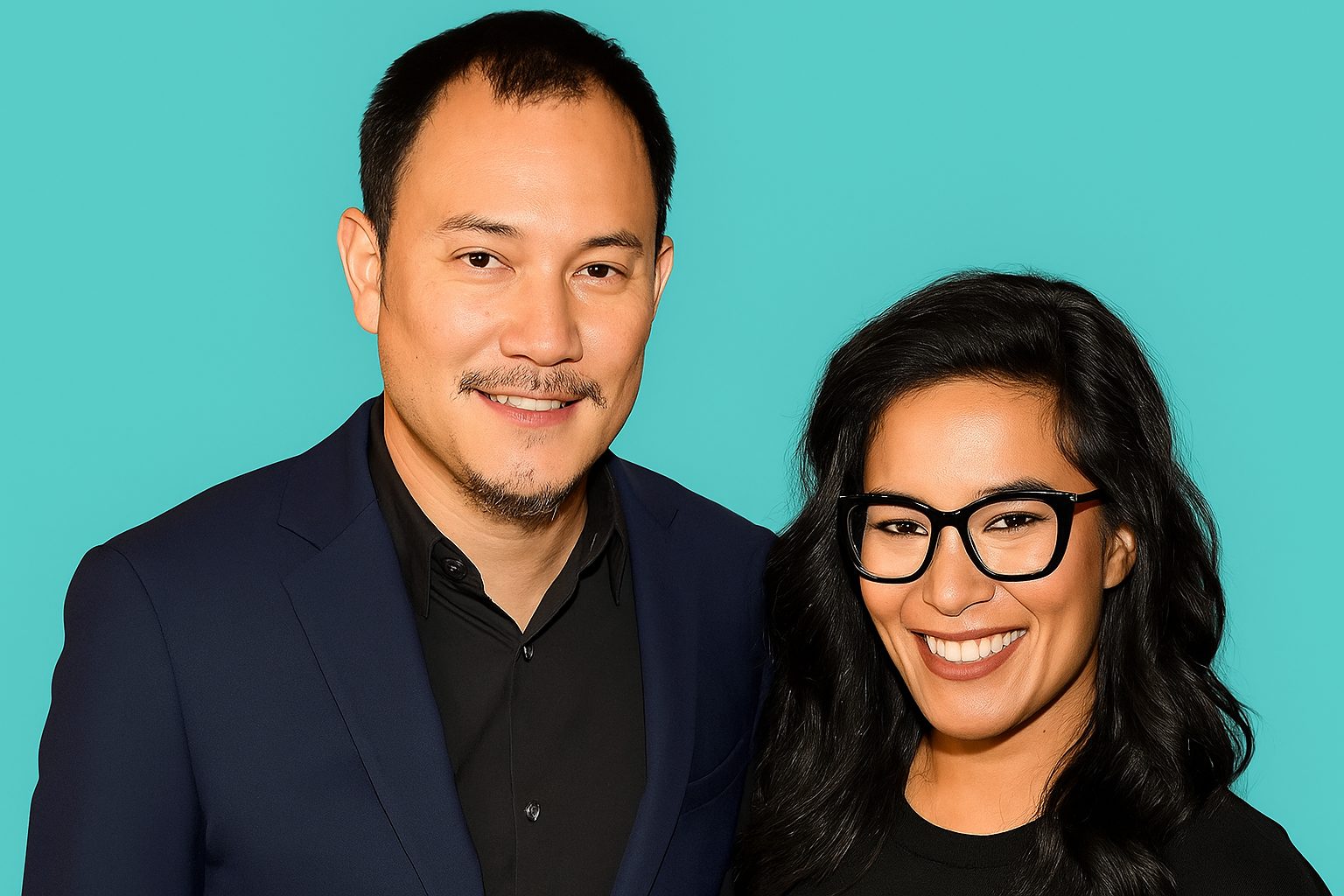
When people search for “Nikki Hakuta,” they’re usually not looking for a celebrity in the traditional sense. Instead, they’re looking for information about the youngest daughter of one of the most influential comedians of the past decade, Ali Wong. Even though Nikki herself is not a public figure, many fans of Wong’s stand-up, books, and shows have developed an interest in the family behind the performer—particularly the children who quietly shaped some of Wong’s most memorable work.
Because Nikki is still a young child and her parents intentionally keep her out of the spotlight, the information that exists about her is limited, carefully curated, and deeply tied to the story of her family. This article gathers everything that is publicly known and contextualizes it in a way that respects Nikki’s privacy while helping readers understand her background, her cultural heritage, and the environment she’s being raised in.
What follows is a comprehensive, human-first portrait of a child whose existence has influenced modern comedy, Asian American representation, and the personal storytelling of one of the most recognizable voices in entertainment today.
Who Is Nikki Hakuta?
Nikki Hakuta is the younger daughter of comedian, actor, writer, and producer Ali Wong and entrepreneur Justin Hakuta. She was born in December 2017, making her the second child in the family. Her older sister, Mari, was born in November 2015, just over two years before Nikki.
From the moment she entered the world, Nikki has been connected—albeit indirectly—to her mother’s creative career. Ali Wong was visibly pregnant with her in the Netflix special “Hard Knock Wife,” which became a defining moment in modern stand-up comedy. Although Nikki was not yet born, the performance immortalized the pregnancy on screen, making her part of the cultural phenomenon that helped elevate Wong’s public profile.
Despite this, Nikki herself remains entirely outside public life. She has no public social media accounts, does not attend red carpets, and does not appear in paparazzi photos. Her parents have drawn a firm boundary around her identity, showing only glimpses of her childhood through anecdotes, filtered photos, or carefully chosen moments.
For many people searching her name, this is the paradox: Nikki Hakuta is widely known, but only through the edges of her mother’s fame.
Early Life and Family Setting
Although Nikki was born into a globally recognized family, her upbringing has been intentionally ordinary. Ali Wong and Justin Hakuta have repeatedly emphasized that their daughters’ lives should revolve around school, family, and exploration rather than media attention.
The household environment in which Nikki grew up is a blend of comedic creativity, academic excellence, and multicultural influence. Ali Wong built her career on the demanding schedule of the entertainment industry, yet she has always made it clear that motherhood is central to her identity. Meanwhile, Justin Hakuta, who comes from a family of innovators and media personalities, brings a background rooted in education, technology, and business.
From an early age, Nikki has been surrounded by grandparents, aunts, uncles, and cousins who embody a mix of artistic, entrepreneurial, and intellectual pursuits. Many of the traditions she experiences come from multiple parts of Asia, as both sides of her family maintain strong connections to their cultural roots.
The goal, according to Wong’s own interviews, has always been to give her daughters a sense of belonging, identity, and pride that spans multiple generations and borders.
A Multicultural Heritage With Deep Roots
Nikki Hakuta’s cultural background forms one of the richest and most interesting aspects of her story. Her family heritage combines Chinese, Vietnamese, Japanese, and Filipino influences, creating a unique multicultural identity.
Through her mother, Nikki is Chinese-American and Vietnamese. Ali Wong has spoken often about her father’s Chinese-American lineage and her mother’s Vietnamese journey to the United States. Wong’s comedy frequently explores the complexities of that upbringing—from immigrant expectations to cross-cultural family traditions—giving audiences a window into the world Nikki is inheriting.
On her father’s side, Nikki is Japanese and Filipino. Her paternal grandfather, Ken Hakuta, is a Japanese-American inventor and media figure, known in the 1980s for promoting the toy Wacky Wall Walker. Her grandmother, Marilou Cantiller, is Filipina and worked in international development. Their stories add additional layers to Nikki’s identity, tying her heritage to multiple countries, histories, and cultural traditions.
The combination of these influences gives Nikki a uniquely expansive cultural foundation—one that reflects the diversity of contemporary Asian American families while remaining deeply tied to histories that precede her.
Nikki’s Connection to Ali Wong’s Comedy
Even though Nikki has not chosen a public life, she has become part of comedy history in her own quiet way. Her mother’s pregnancy with her was filmed in front of a live audience for the Netflix special “Hard Knock Wife.” The performance, which featured Ali Wong delivering a full hour of stand-up while heavily pregnant, became a groundbreaking moment in entertainment.
The presence of Nikki—still in the womb—symbolized Wong’s commitment to telling raw, honest stories about the realities of motherhood, ambition, marriage, and identity. Many fans remember the spectacle of a pregnant woman performing stand-up not as a gimmick, but as an act of defiance against the industry’s expectations.
Beyond the stage, the essays and letters in Wong’s book “Dear Girls” include deeply personal reflections addressed to her two daughters. Although the book is not a biography of the children, it frames them as central figures in Wong’s emotional journey. Nikki therefore exists in the public imagination not as a character, but as someone who inspired a transformative era in her mother’s artistry.
This makes Nikki a rare figure: a child whose influence has shaped cultural conversations without ever stepping into the spotlight herself.
Sibling Relationship with Mari Hakuta
Because Nikki is the younger of the two sisters, her relationship with Mari is often referenced when people discuss the family. Ali Wong has spoken about the ways siblings close in age can form intense early bonds, shifting from rivalry to partnership as they grow.
The girls were intentionally born close together. Wong has explained in interviews that she wanted her children to have the kind of sibling closeness she did not experience due to larger age gaps in her own family. The result is that Mari and Nikki have grown up side by side, sharing childhood experiences, trips, and the everyday rhythm of family life.
Although Ali Wong does not share personal stories about the girls as individuals, she often references their presence during her national and international tours. Because she performs primarily at night, her days are frequently spent taking Mari and Nikki to aquariums, playgrounds, parks, museums, and cafes in whichever city she is working. The rhythm of their travels has created a kind of informal world education for the sisters—one shaped by exploration and curiosity rather than celebrity exposure.
It is through these glimpses that fans understand the nature of the bond: two young sisters growing up in a dynamic but deeply private family environment.
Parenting Philosophy: Privacy, Balance, and Cultural Grounding
A defining feature of Nikki’s childhood is the deliberate way her parents have chosen to protect her privacy. Ali Wong and Justin Hakuta rarely show their daughters’ faces publicly, and any social media posts depicting family life are carefully composed. They have both said that they want the girls to choose for themselves whether to have a public life when they are older.
This decision reflects a larger parenting philosophy that emphasizes autonomy and boundaries. Wong speaks openly about her life, marriage, physical experiences, and career—but she draws a line when it comes to her children. This boundary has shaped the way journalists, fans, and entertainment outlets discuss Nikki, creating a respectful distance around her identity.
Another core element of the family’s philosophy is shared parenting. After Ali Wong and Justin Hakuta separated, they continued to emphasize cooperation, friendship, and routine in raising their daughters. Both have described the separation as unconventional but grounded in mutual respect. Their co-parenting arrangement focuses on stability and emotional clarity, ensuring that Nikki and Mari continue to experience a supportive and loving environment.
A third key pillar is cultural grounding. Wong often mentions the importance of exposing her daughters to Asian American artists, writers, activists, and friends so they can see themselves represented in diverse and inspiring ways. That sense of community forms an ongoing background to Nikki’s childhood.
Life After Her Parents’ Divorce
The separation of Ali Wong and Justin Hakuta attracted significant media attention, but both parents have consistently communicated that their children remain their priority. What stands out in their public statements is that they are committed to raising Nikki and Mari together, even while living different lives personally.
Friends, colleagues, and interviews describe the duo as cooperative, aligned, and focused on maintaining family unity. They continue to spend holidays together, travel together at times, and share responsibilities in a way that minimizes disruption for the girls.
For Nikki, this means that her home life remains steady, familiar, and anchored by two parents who value structure, communication, and family connection. In a media environment that often frames celebrity divorces as dramatic or chaotic, the Wong–Hakuta family stands out for its stability and lack of sensationalism.
Media Coverage, Public Curiosity, and Ethical Storytelling
One of the unusual aspects of Nikki’s situation is that people search her name even though she has no public persona. The demand for information stems from Ali Wong’s increasing global visibility, especially after the success of her Netflix specials and the acclaimed series “Beef.”
As her mother’s fame grew, so did curiosity about her family. But unlike many celebrity parents, Wong never turned her children into public figures. Instead, she has repeatedly stated that she wants them to have privacy and to choose their own paths.
For writers, bloggers, and media outlets, this means approaching content about Nikki with a sense of responsibility. Ethical reporting on celebrity children involves avoiding speculation, steering clear of school names or private details, and focusing instead on the broader family story, cultural context, and publicly shared information.
This article follows that approach by centering Nikki’s background, identity, and family influences rather than sensationalizing her life.
Why There’s Continued Interest in Nikki Hakuta
Search trends around “Nikki Hakuta” tend to spike whenever Ali Wong releases a new project, wins an award, or appears in the news. Much of this curiosity comes from viewers wanting to understand the family behind the performer. Nikki’s connection to Wong’s pregnant stand-up specials also makes her part of a cultural moment that fans remember vividly.
Another reason for interest is the way Wong discusses motherhood. She frequently references her daughters in her work—not in personal detail, but as symbols of growth, change, humor, and learning. Her book, “Dear Girls,” frames the children as central figures in her emotional and professional evolution. As a result, people often want to know more about the girls who inspired that body of work.
Importantly, this interest is not rooted in celebrity gossip but in genuine affection from fans who feel connected to Wong’s storytelling. Nikki’s presence in that narrative, even though indirect, continues to draw attention.
Also Read: Stephanie Sarkisian: Full Biography, Career & Personal Life
Conclusion
Nikki Hakuta, despite being only a young child, occupies a unique space in the public imagination. She is part of a multigenerational, multicultural family whose story reflects themes of identity, creativity, migration, and reinvention. She is also the daughter of a comedian whose honesty about motherhood has resonated across the world.
Yet at the heart of it all, Nikki is simply a kid—growing up in Los Angeles, surrounded by family, protected by careful parents, and navigating childhood far away from cameras and public scrutiny.
Her story matters because it is woven into a larger narrative about Asian American representation, modern parenting, and the evolving boundaries between public and private life. But the details of that story remain appropriately limited, shaped by adults who understand that fame should never come before a child’s well-being.
In a digital world that often demands visibility, Nikki Hakuta stands as a rare reminder that privacy can still exist—and that some of the most meaningful influences on culture happen quietly, offstage, and at home.