

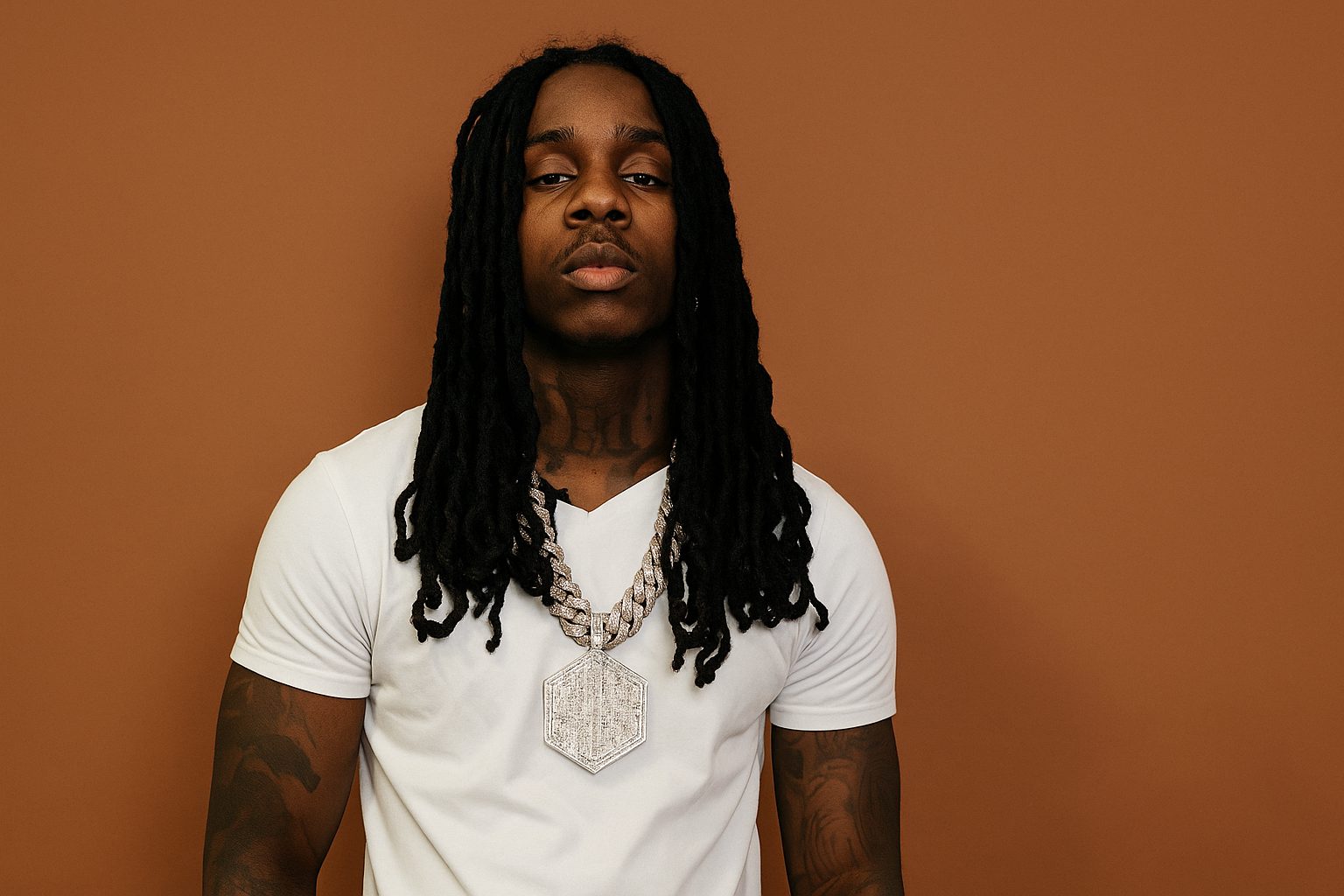
Every few months, the internet enters a kind of collective panic. A single post on TikTok, a YouTube thumbnail with a dramatic headline, or a tweet that offers no source suddenly spreads across thousands of screens. And before anyone checks whether the news is real, searches spike for one heartbreaking question: “Is Polo G dead?”
The answer, despite the confusion, fear, and endless rumors, is simple and factual. No — Polo G is not dead. The Chicago-born rapper, whose real name is Taurus Tremani Bartlett, is alive, active, and still creating music. Yet the rumor refuses to die, resurfacing again and again because of past events, old headlines, and the kind of viral misinformation that thrives on shock value.
To understand why people continue searching this question, you have to understand Polo G’s story — not just the artist, but the human being behind the microphone.
The Rise of a Voice That Sounded Like Survival
Polo G did not simply arrive in rap; he carved his way into it through trauma, memory, and a relentless need to turn pain into meaning. His earliest songs like “Finer Things” and “Pop Out” felt less like hits and more like confessions. Listeners connected to him because he sounded like someone telling the truth about the world he came from — a world shaped by gun violence, grief, and young lives cut short.
His albums Die a Legend, The Goat, and Hall of Fame turned him into one of the most recognizable names in modern hip-hop. But along with fame came pressure, loss, and a battle with addiction that nearly took everything from him.
The Real Incident That Sparked Years of Rumors
The most significant reason people believe Polo G died comes from an event that happened long before the hoaxes began. In 2019, during the early rise of his career, Polo G overdosed on pills after taking far too many in a single night. He would later say he woke up in a hospital bed surrounded by doctors and family, shocked to be alive after what he described as a moment of spiraling and self-destruction. His father would eventually confirm that the overdose was nearly fatal, and that without immediate medical attention, Polo G may not have survived.
Fans who heard the story at the time were shaken, but what caused long-term confusion was the way the internet preserved the moment. Headlines that read “Polo G Almost Died” or “Polo G Hospitalized After Overdose” stayed online forever. Years later, screenshots of those articles would begin circulating again as if they were new. And without dates, without context, and without an official statement pinned to the top of every social feed, people assumed the worst.
Suddenly, an old headline became a current rumor — and the rumor became “Polo G is dead.”
The Viral Misinformation Loop: How Hoaxes Go Mainstream
Once the idea was out there, it didn’t take long for the internet to do what it so often does. Random accounts began posting “RIP Polo G” to farm engagement. YouTube creators made videos with misleading titles. TikTok users cut together clips from music videos and interviews, making it look like breaking news. And because Polo G’s music often deals with death, trauma, and near-fatal moments, the imagery could easily be mistaken for something real.
One example came when the video for his track “Angels in the Sky” circulated without context. In the video, Polo G is seen in a psychiatric hospital room, watching scenes of himself overdosing and confronting the darkest versions of his past. For fans who saw these clips without knowing they were fictional, it felt eerily similar to a documentary about someone’s final moments. The internet filled the blanks with its own guesses, and the rumor cycle grew again.
The emotional weight of his music, combined with the cinematic visuals, made the hoax believable to those who didn’t have the full story. And just like that, misinformation grew louder than the truth.
The Dark Themes That Make Fans Fear the Worst
Polo G’s storytelling is rooted in the reality of growing up on the North Side of Chicago, where violence wasn’t a metaphor but an everyday risk. Many of his closest friends didn’t survive adolescence. In interviews, he has talked openly about attending more funerals than he can count, experiencing survivor’s guilt, and using music as a way to honor those who never had the chance to leave.
These themes run through nearly all his biggest records. In songs like “21,” “Epidemic,” and “Through Da Storm,” he reflects on mortality in ways that feel prophetic. Fans sometimes say that listening to Polo G feels like hearing someone who never expected to live long enough to tell his story. That emotional intensity, while powerful, also fuels fear. When an artist speaks so often about death, any rumor about their passing spreads faster because it feels possible — even when it isn’t true.
So Is Polo G Alive? The Current Reality
Yes, he is alive. Not only alive but active. He continued releasing new music throughout 2023 and 2024, including “Angels in the Sky,” as well as high-profile collaborations including the widely streamed track “Heartbroken” with Diplo and Jessie Murph. His social media accounts also remain active, showing a mix of studio sessions, family moments, and messages to fans about mental health and perseverance.
If Polo G were genuinely gone, major music outlets, family members, management, and national news organizations would confirm it — and none have. Every reputable source confirms the same truth: the rumors are false.
Why People Keep Asking Anyway
Searches for “polo g dead” aren’t really about death; they are about fear. Fans hear whispers of something tragic and rush to find reassurance. Some come across half-truths or old stories and don’t know what to believe. And others simply want to understand how someone who sings so vividly about loss seems constantly surrounded by tragedy.
In many ways, the rumor says more about us — the audience — than it does about Polo G. We live in a time where information moves faster than verification, where emotionally charged news spreads before logic can catch up, and where the line between fictional art and real life becomes dangerously blurred.
Polo G’s Battle, His Recovery, and His Second Chance
What makes his survival so significant is that Polo G is fully aware of how close he came to losing everything. He has spoken countless times about how the overdose changed him. After waking up in that hospital bed, he realized he needed to break free from addiction before it swallowed him. The death of his friend Juice WRLD, who also struggled with substance abuse, hit him deeply and pushed him toward sobriety.
His recovery wasn’t just a physical process; it was emotional and spiritual. He had to confront the grief he had been suppressing, the trauma he carried from childhood, and the pressures of fame that amplified everything he hadn’t yet faced. His music since then feels sharper, more reflective, and more intentional — as though he’s writing with the awareness that he almost didn’t get the chance to.
The Reality Behind a Hoax
It is easy to forget, when scrolling through rumors, that behind every trending name is a real person. Polo G is not just a rapper but a son, a father, a brother, someone who has survived environments that many never escape. The near-death experiences in his life are not headlines to him; they are memories that shaped his identity.
Whenever the rumor resurfaces, it’s a reminder of how quickly the world forgets that artists live on the thin line between public perception and private struggle. But it is also a reminder of something deeper — that Polo G’s continued existence is a kind of quiet victory, not just against addiction but against the circumstances that were never designed to let him succeed.
Also Read: Alisande Ullman: The Private Life Behind Leslie Nielsen
Final Thoughts: The Real Story Behind “Polo G Dead”
The rumors will likely continue resurfacing because the internet never truly forgets its hoaxes. But the truth remains constant: Polo G is alive, still creating, still fighting, still transforming pain into art that resonates across millions of listeners.
What the world misinterprets as death is actually the echo of a moment he survived. People assume he is gone because they do not fully grasp how close he once came. But that near-tragedy is exactly why his presence matters today.
Polo G’s story is not a headline about loss. It is a testament to survival. He lived through the overdose that nearly ended his life. He endured the trauma of losing friends long before their time. He fought addiction, fame, and the expectations of an industry that consumes its young artists too quickly. And through it all, he kept writing, kept growing, and kept making music that speaks to the broken, the grieving, and the hopeful.
So the next time you see someone ask, “Is Polo G dead?”, you can tell them the truth. No — he isn’t gone. He’s still here. And he is still turning the hardest parts of his life into something that helps others feel less alone.
If anything, the real story isn’t about death. It’s about a man who looked it in the face, walked away, and came back stronger.