

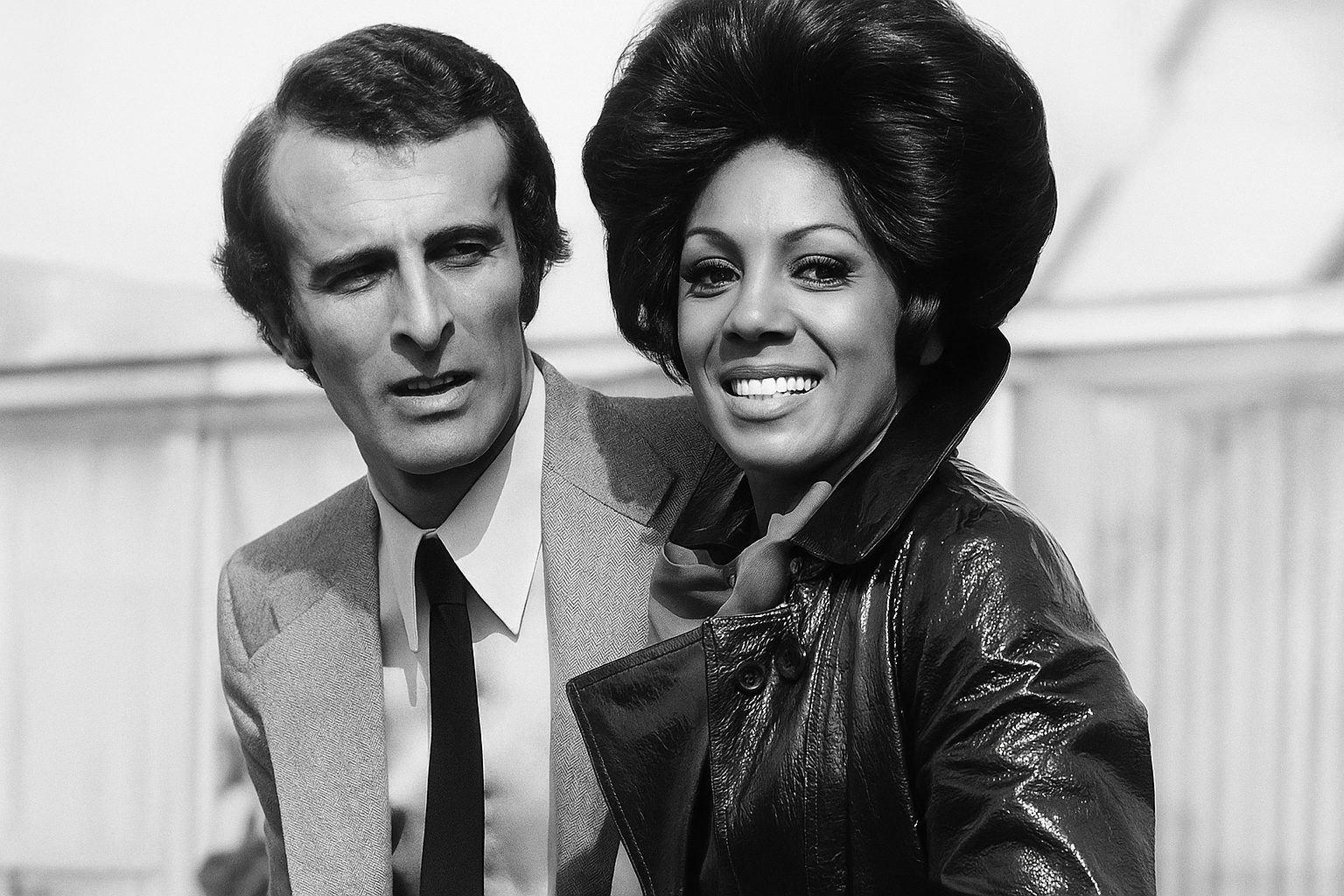
Behind every international star, there’s often someone whose quiet influence helps shape the brilliance that the world sees. For Dame Shirley Bassey — the iconic Welsh singer whose voice defined Bond themes like Goldfinger and Diamonds Are Forever — that person, for a defining decade of her life, was Sergio Novak.
Though he rarely sought the spotlight, Novak’s story intertwines with one of music’s most glamorous eras. From a Venetian hotel lobby to the glitzy stages of Las Vegas, his life mirrored the elegance and complexity of the woman he married and managed. Their relationship blended love and business, success and strain — and remains one of the most fascinating partnerships in mid-20th-century entertainment.
Early Career and Background
Public records about Sergio Novak’s early years are limited, but what’s known paints a portrait of a cultured, multilingual professional rooted in European sophistication. Before meeting Bassey, Novak worked in the hospitality industry, serving as assistant manager of the prestigious Excelsior Hotel in Venice, Italy — a luxurious seaside establishment famous for hosting artists, diplomats, and film stars attending the Venice Film Festival.
The hotel’s clientele exposed Novak to international celebrity culture long before he officially entered the entertainment world. As assistant manager, he was responsible for coordinating VIP stays and handling high-profile guests, a role that required discretion, diplomacy, and a refined understanding of human behavior — traits that would later serve him well as a talent manager.
It was likely within this glittering environment that he first crossed paths with Shirley Bassey, who was by then already an established star on the European circuit. Their connection quickly grew from acquaintance to partnership, eventually transforming both of their lives.
Meeting Shirley Bassey
When Novak met Shirley Bassey in the late 1960s, she was at the height of her fame. Bassey had become an international sensation following her 1964 recording of Goldfinger, which cemented her as a global icon of glamour and vocal power.
Their meeting, as reported in entertainment circles of the time, combined the allure of two very different worlds: Bassey, the working-class girl from Tiger Bay who had conquered the charts, and Novak, the European hotel executive fluent in multiple languages and steeped in high society.
It was a relationship that bloomed quickly. Their connection went beyond romance; Novak admired Bassey’s artistry and discipline, while she valued his professionalism and grounding presence. Where she was expressive and magnetic, he was steady and composed — the perfect foil for a woman whose career demanded both structure and freedom.
The Las Vegas Wedding
On August 12, 1968, Shirley Bassey and Sergio Novak were married in Las Vegas, at the charming Little Church of the West — one of the city’s most famous chapels, known for its celebrity weddings.
Their ceremony took place after one of Bassey’s performances at the Sahara Hotel. She was radiant in a sleek white dress, while Novak, stylish and reserved, looked every bit the European gentleman. The wedding was covered by entertainment media on both sides of the Atlantic, but unlike many celebrity unions, the couple maintained a certain dignity and privacy amid the glamour.
This union marked not only the start of a marriage but also a professional alliance. Novak took on the role of Bassey’s manager, handling her bookings, contracts, and travel — responsibilities that required both business acumen and personal trust.
From Hotel Management to Artist Management
Transitioning from hotel management to talent management may seem like a leap, but Novak’s background made it surprisingly natural. Running a luxury hotel demands an understanding of people, presentation, and precision — all essential skills in managing a global performer.
Under his management, Bassey’s career maintained an intense international pace. She performed in Las Vegas, New York, and across Europe, balancing recording sessions with constant touring. Novak coordinated her engagements, managed her finances, and ensured that her brand — that perfect mix of sophistication and strength — remained intact.
Their partnership exemplified the emerging concept of the artist-manager couple, common in the 1960s and 1970s entertainment world. Like Colonel Parker with Elvis Presley or Brian Epstein with The Beatles, Novak’s managerial influence helped shape the strategic direction of his artist’s public life — but with the added complexity of marriage.
Life in Switzerland: The Tax Exile Years
In 1969, a year after their wedding, Shirley Bassey relocated to Switzerland, partly for tax reasons. The move allowed her to preserve her income during a time when British tax rates were notoriously high for entertainers. Novak, ever the pragmatic manager, was deeply involved in orchestrating the logistics of this transition.
They settled in Lugano, a serene lakeside city surrounded by the Swiss Alps. Switzerland offered the couple privacy and neutrality — a world away from the London tabloids. From this base, Novak managed Bassey’s international engagements, ensuring her presence on major stages while keeping her financial and legal affairs stable.
For Novak, the Swiss years represented both a professional challenge and a personal test. The administrative complexities of maintaining a high-profile career across borders were immense. Yet his organizational skills and calm demeanor kept Bassey’s career on track through turbulent times.
A Glamorous but Complex Marriage
To the public, the Novaks appeared to be a glamorous couple: the star and her handsome European husband, traveling between luxury hotels, concerts, and international homes. But behind the scenes, their marriage faced the same pressures that often haunt relationships in the entertainment industry — distance, workload, and the strain of constant visibility.
Novak was devoted to his wife’s success, but balancing business and intimacy proved difficult. As Bassey’s fame continued to grow, the boundaries between their professional and personal lives blurred. Friends later described their relationship as “intense but respectful,” noting that while disagreements occurred, Novak remained protective of Bassey’s reputation and fiercely loyal to her artistry.
Despite occasional tensions, they shared genuine affection and mutual respect. Bassey often referred to Novak as her “anchor” during one of the most demanding chapters of her career.
Family Life and Parenthood
During their marriage, Novak became a central figure in Bassey’s family life. He helped raise her two daughters, Sharon and Samantha, from previous relationships, treating them as his own. Later, the couple adopted Mark, Bassey’s grand-nephew, adding another dimension to their family.
By most accounts, Novak was a caring stepfather and a supportive figure at home, balancing the challenges of a blended family under the glare of fame. Friends and associates from that era describe their household as disciplined but warm — a structured environment reflecting Novak’s European sensibility.
Still, life in the entertainment spotlight meant constant travel and long absences. The children often accompanied them on tours or lived with relatives during busy seasons. Novak’s role as manager made him a constant companion in Bassey’s professional life but sometimes limited the couple’s opportunities to simply be husband and wife.
The Decline of the Marriage
By the late 1970s, cracks had begun to show. The pressures of fame, relentless touring, and the complexities of combining love with business took their toll. Novak’s management style, though efficient, sometimes conflicted with Bassey’s creative independence.
As Bassey’s career entered a new phase, she began reassessing her professional relationships — and her marriage. In 1979, after more than a decade together, the couple quietly divorced. Unlike many celebrity separations, theirs was handled with remarkable dignity and discretion.
After the divorce, Novak withdrew from public life, while Bassey continued to perform and record, eventually receiving the title of Dame Commander of the Order of the British Empire (DBE) in recognition of her contributions to music.
Though they parted ways, Novak’s influence remained woven into the story of Bassey’s peak years. The tours he organized, the international contacts he cultivated, and the professional discipline he enforced helped shape her enduring success.
Life After Shirley Bassey
Following the divorce, Sergio Novak largely disappeared from public view. Unlike other figures who sought to trade on their association with celebrity, Novak chose privacy. No interviews, memoirs, or tell-all stories followed — a rare restraint in the entertainment world.
It’s believed he continued to work in management and hospitality, possibly returning to Europe’s luxury hotel scene or pursuing business interests quietly. His decision to avoid the limelight reflected his personality: understated, professional, and protective of those he cared about.
Those who worked with the couple often described Novak as courteous, meticulous, and deeply loyal — qualities that made him both an effective manager and a trusted partner. Even decades later, those who remember him often speak of his quiet charm and discretion.
The Legacy of Sergio Novak
Although he never sought fame for himself, Sergio Novak occupies an important place in Shirley Bassey’s story — and, by extension, in the history of modern entertainment.
His role as her husband and manager during one of the most crucial periods of her career underscores a larger truth about the music industry: stars rarely shine alone. Behind the glamour lies an intricate network of people — managers, agents, producers, and partners — whose combined efforts sustain the magic audiences see on stage.
Novak exemplified that behind-the-scenes professionalism. His experience in hospitality translated into a rare ability to manage logistics, personalities, and expectations — essential skills in the world of global entertainment. More importantly, his belief in Bassey’s talent never wavered, even as the pressures of fame tested their marriage.
In the grand timeline of Bassey’s life — from her humble beginnings in Tiger Bay to international superstardom — Novak represents the stabilizing European chapter: structured, elegant, and marked by discipline.
What His Story Reveals About the Industry
Sergio Novak’s life offers insights into the evolving nature of the entertainment business during the 1960s and 1970s. That era saw a shift from traditional record-label control to more personalized artist management, where spouses and close associates often took charge of an artist’s affairs.
While this arrangement could foster deep trust, it also carried risks — emotional, financial, and professional. The Novak–Bassey partnership demonstrated both the strengths and challenges of such a dynamic. Novak’s meticulous management helped Bassey sustain her global success, yet their intertwined roles ultimately contributed to emotional strain.
His story highlights the delicate balance between love and labor, between personal loyalty and business realism — a theme still relevant in today’s celebrity culture.
Humanizing a Private Figure
Because Novak avoided publicity, myths and assumptions have sometimes filled the gaps in his story. But in understanding him, one must look at what he chose not to do: he never exploited his association with a world-famous performer, never courted the press, and never published personal accounts for profit. That silence speaks volumes about his integrity and values.
He seemed content to be known not for personal fame, but for competence, discretion, and professionalism — qualities that often go unnoticed in the noisy world of show business. For a man who once managed hotel suites and world tours alike, his quiet exit from public life feels fitting.
A Legacy of Grace and Discretion
Today, when discussing the key figures who shaped Shirley Bassey’s extraordinary career, Sergio Novak’s name deserves a respectful place among them. His years with her coincided with a period of creative vitality and commercial success that reinforced her standing as one of Britain’s greatest entertainers.
Their marriage, though it ended, was not a failure; it was a human relationship caught in the bright lights of fame, full of love, ambition, and the inevitable trials of two strong personalities. Novak’s presence during those crucial years helped stabilize and professionalize a career that was both dazzling and demanding.
In an era when celebrity relationships often turn into public theater, Novak’s story stands as an example of quiet dignity. He fulfilled his role — as husband, manager, and confidant — then stepped aside without bitterness or spectacle.
Read Also: Ana Leza — Biography, Career, and Life Beyond the Spotlight
Conclusion
Sergio Novak’s legacy isn’t measured by fame or headlines but by the quiet professionalism that helped one of the world’s greatest singers thrive during her golden years. He was the elegant European who brought structure to the whirlwind of show business, the manager who understood both the art and the artist, and the husband who shared in a remarkable journey — even if only for a time.
Today, as Shirley Bassey continues to be celebrated as a living legend, Novak’s contribution remains a meaningful footnote in that legacy: the story of a man who loved, guided, and supported her through some of her brightest and most challenging years.
Behind every great performer stands a team — and sometimes, one special person who makes the impossible look effortless. For Shirley Bassey, during her most glittering decade, that person was Sergio Novak.